MATERIATEK
A special mission
When an interior design studio decides to move into its own space, not a rented one, but a place intentionally chosen, restored, and tailored to its needs, a very special kind of mission starts to take shape.
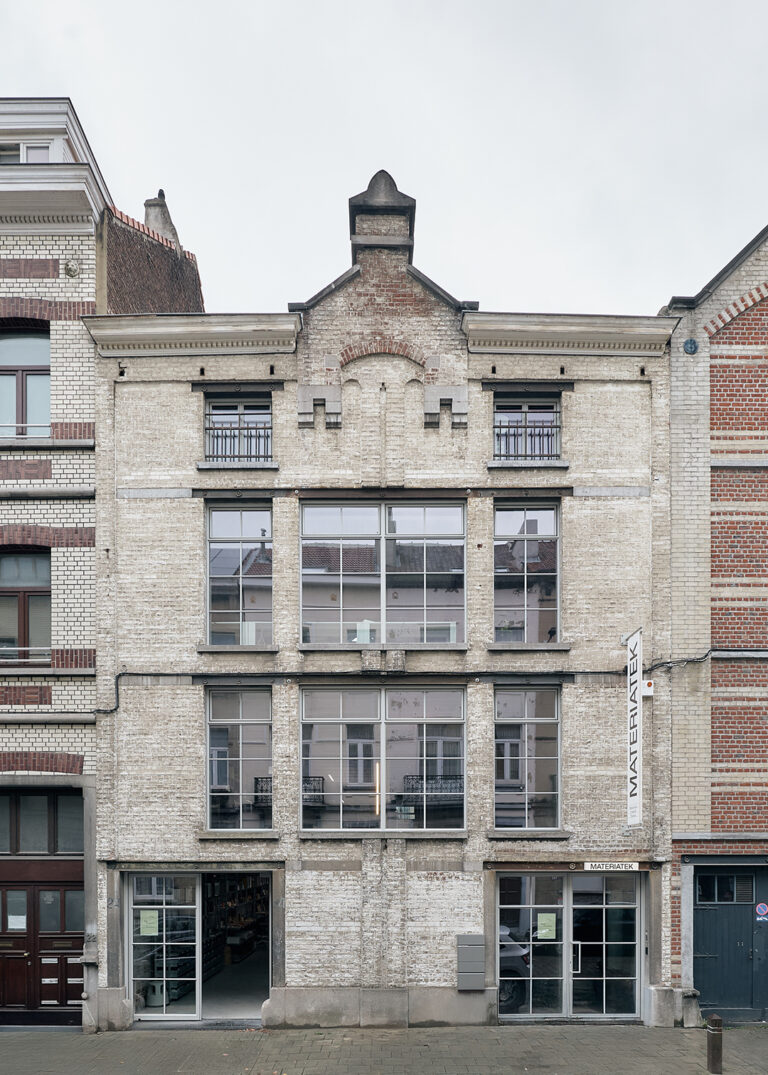
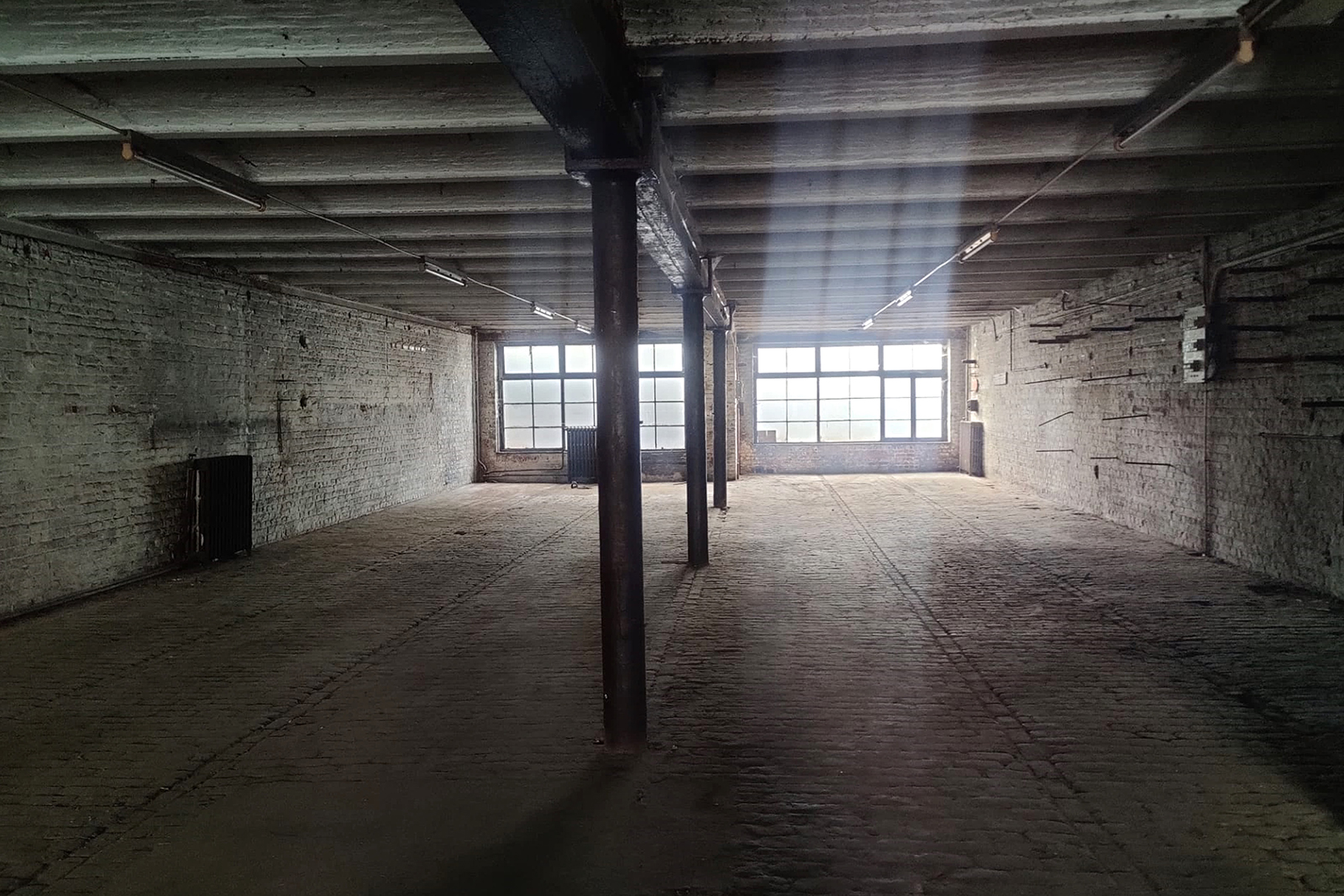
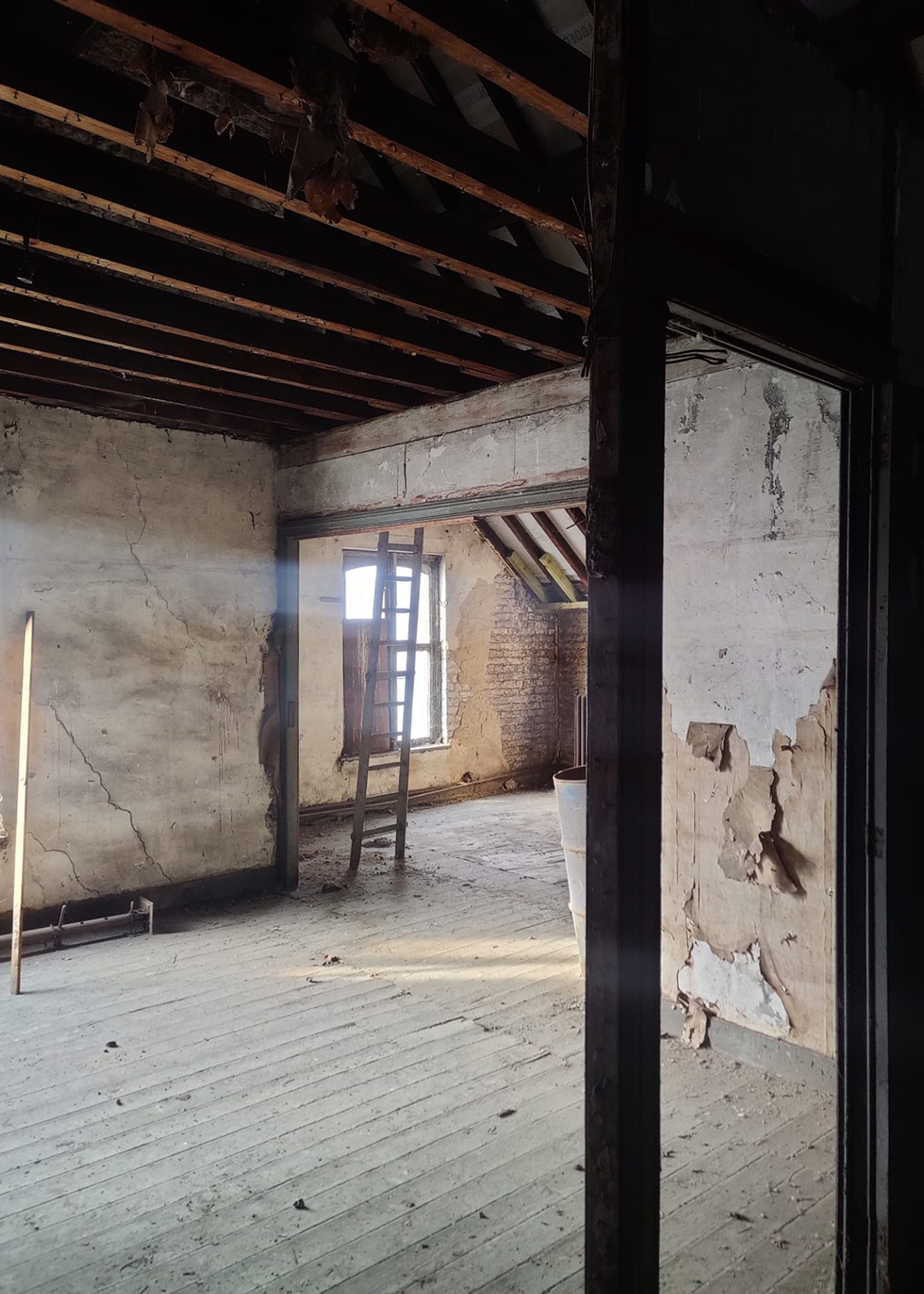
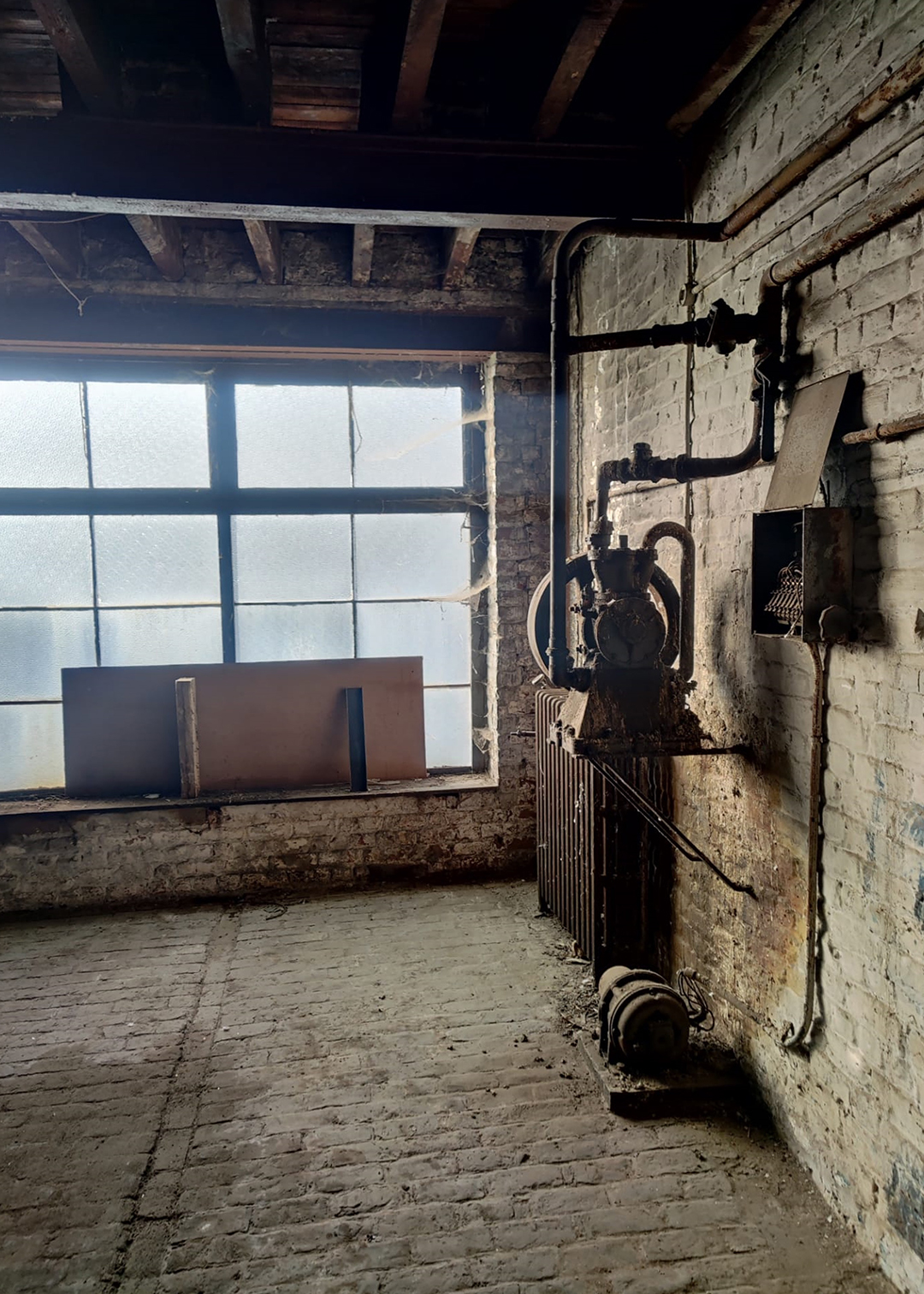
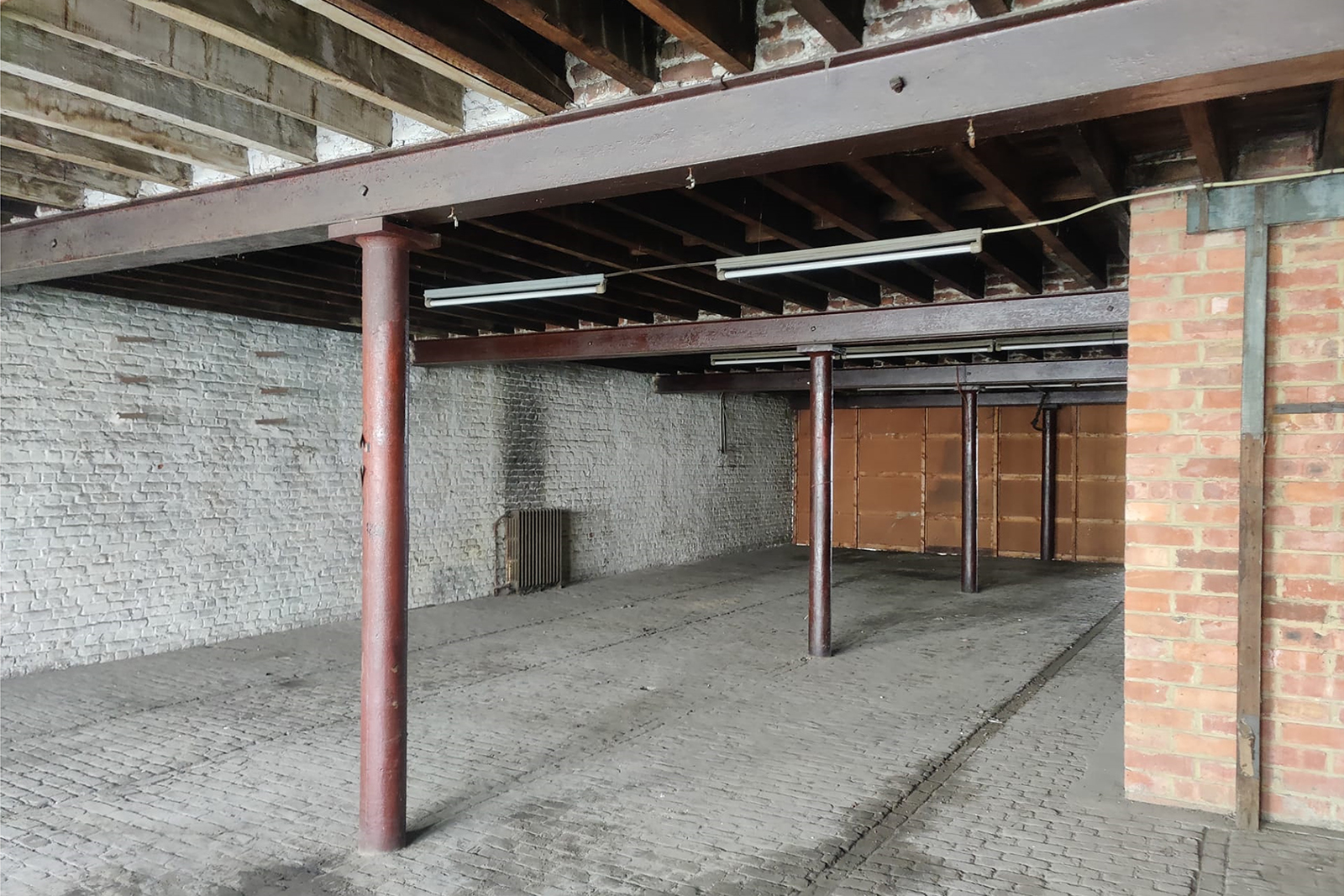
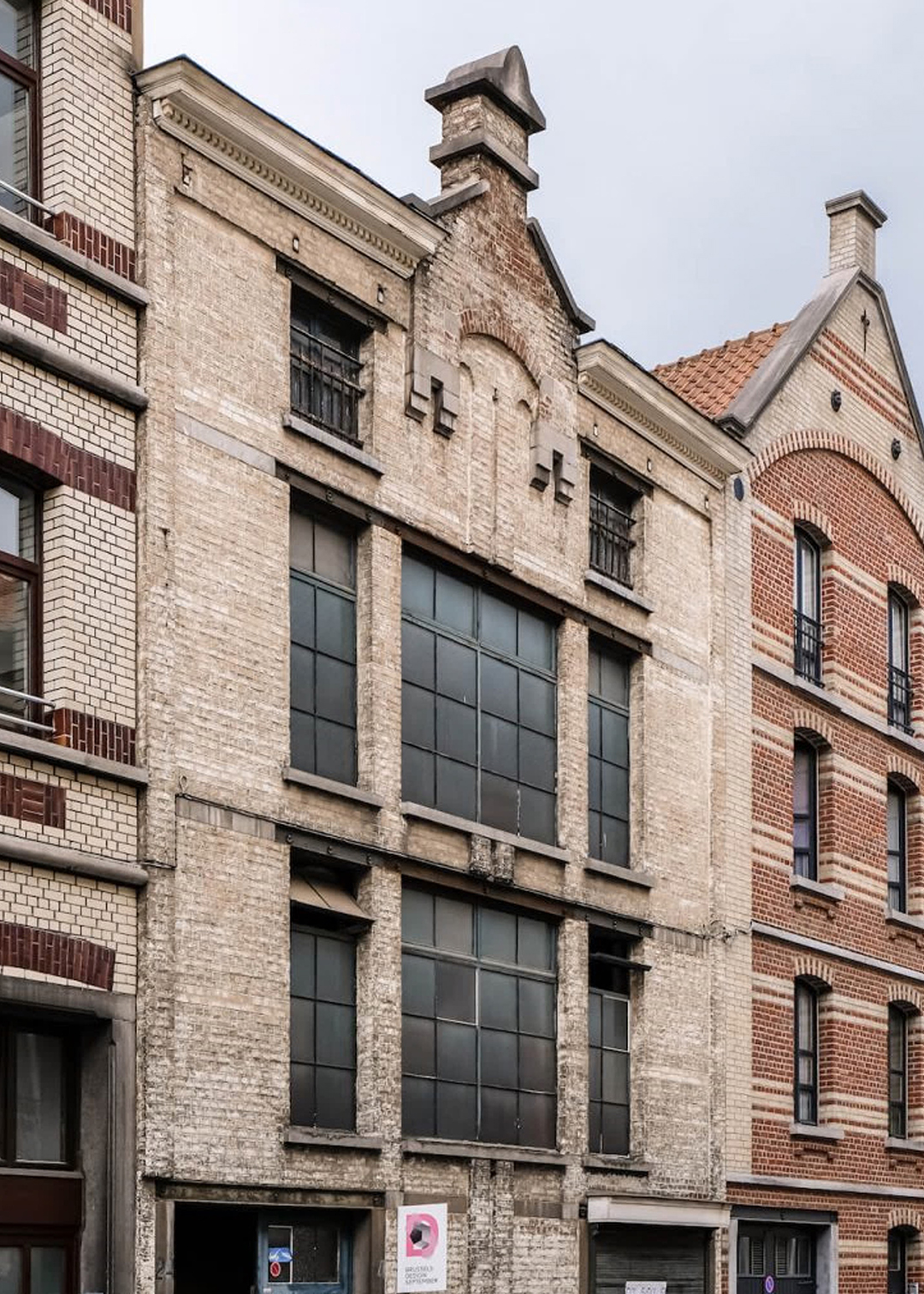
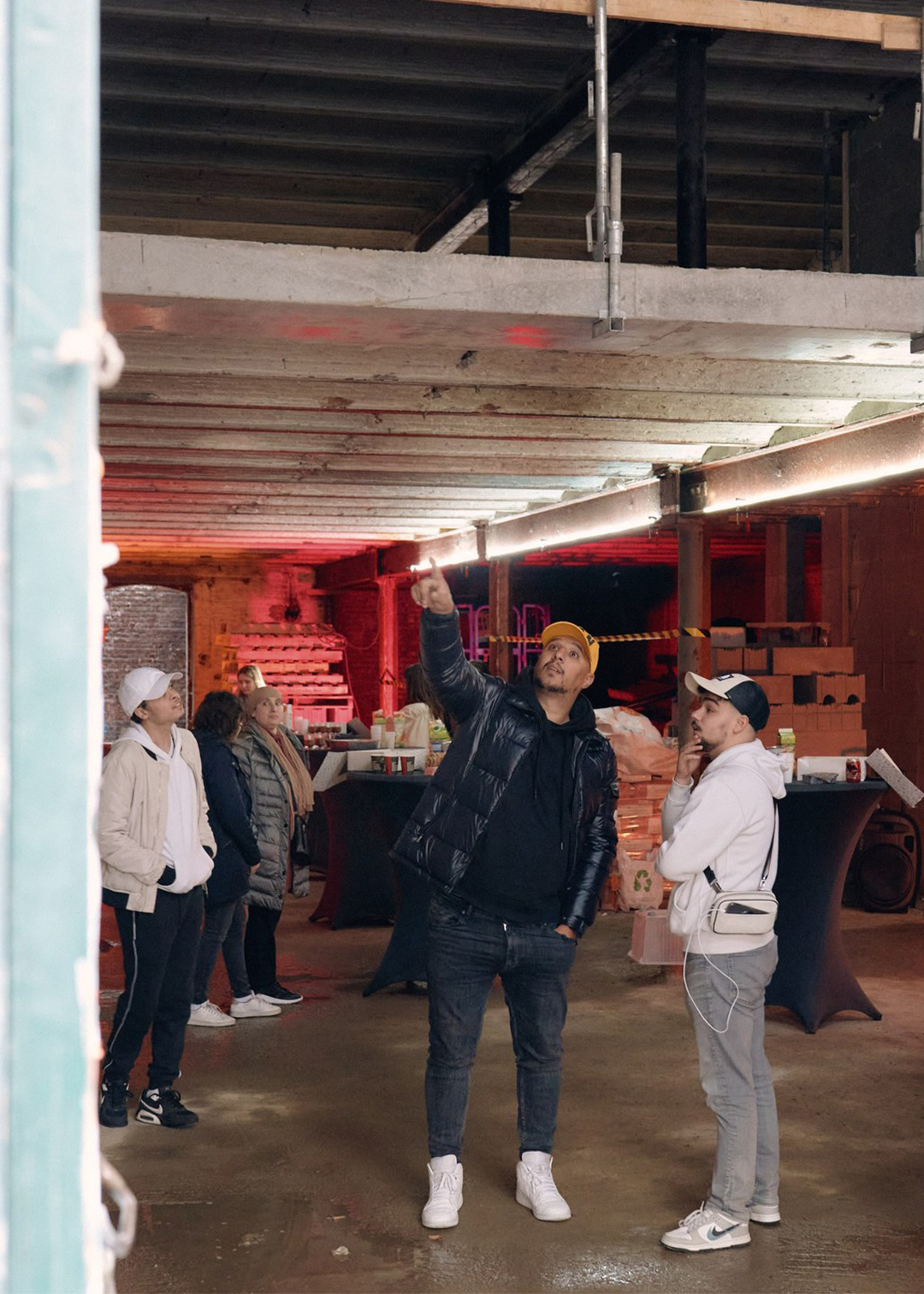
Our journey with Materiatek began on these premises, with the 2021 acquisition of a former industrial building in Molenbeek, destined to be transformed into workspaces that would both define and support the evolution of our studio.
WHY MATERIATEK – a participative aprroach
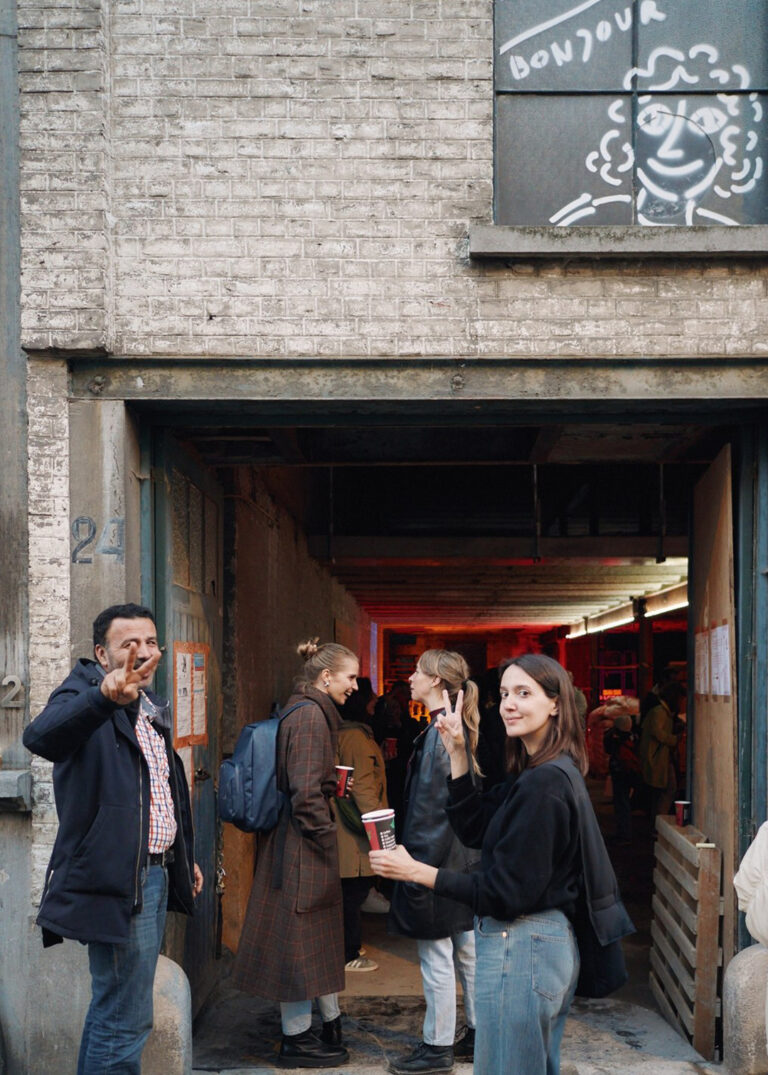
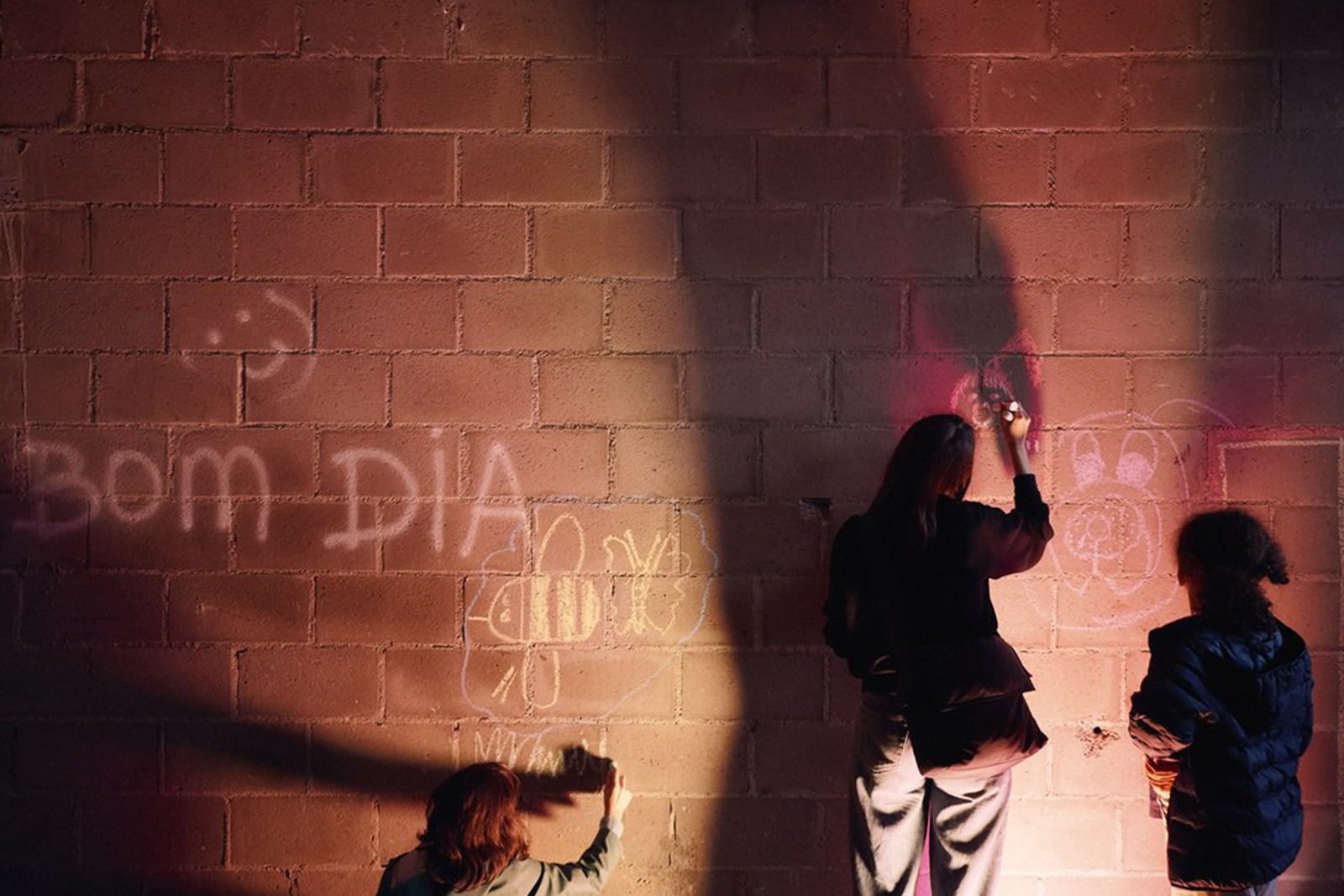
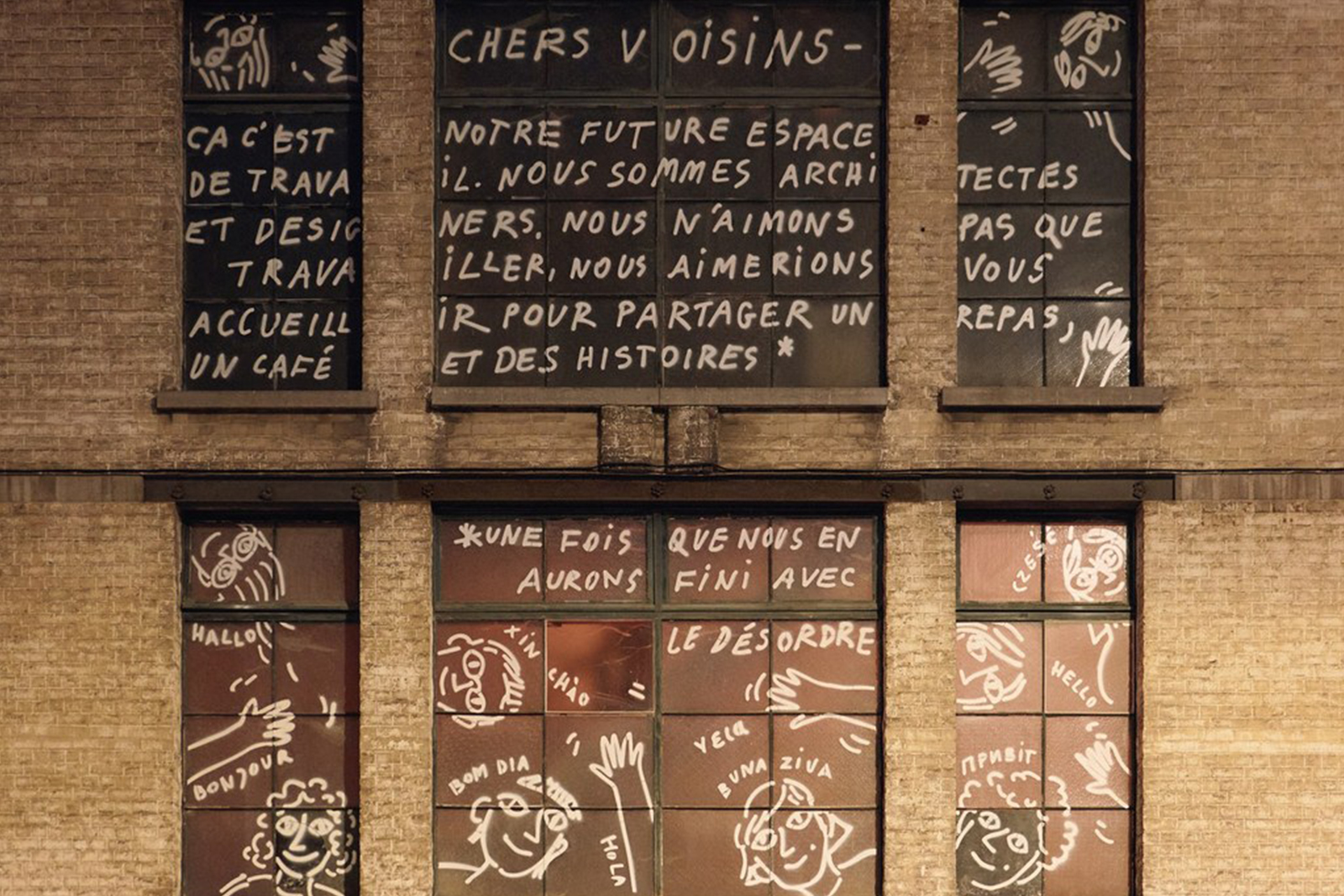
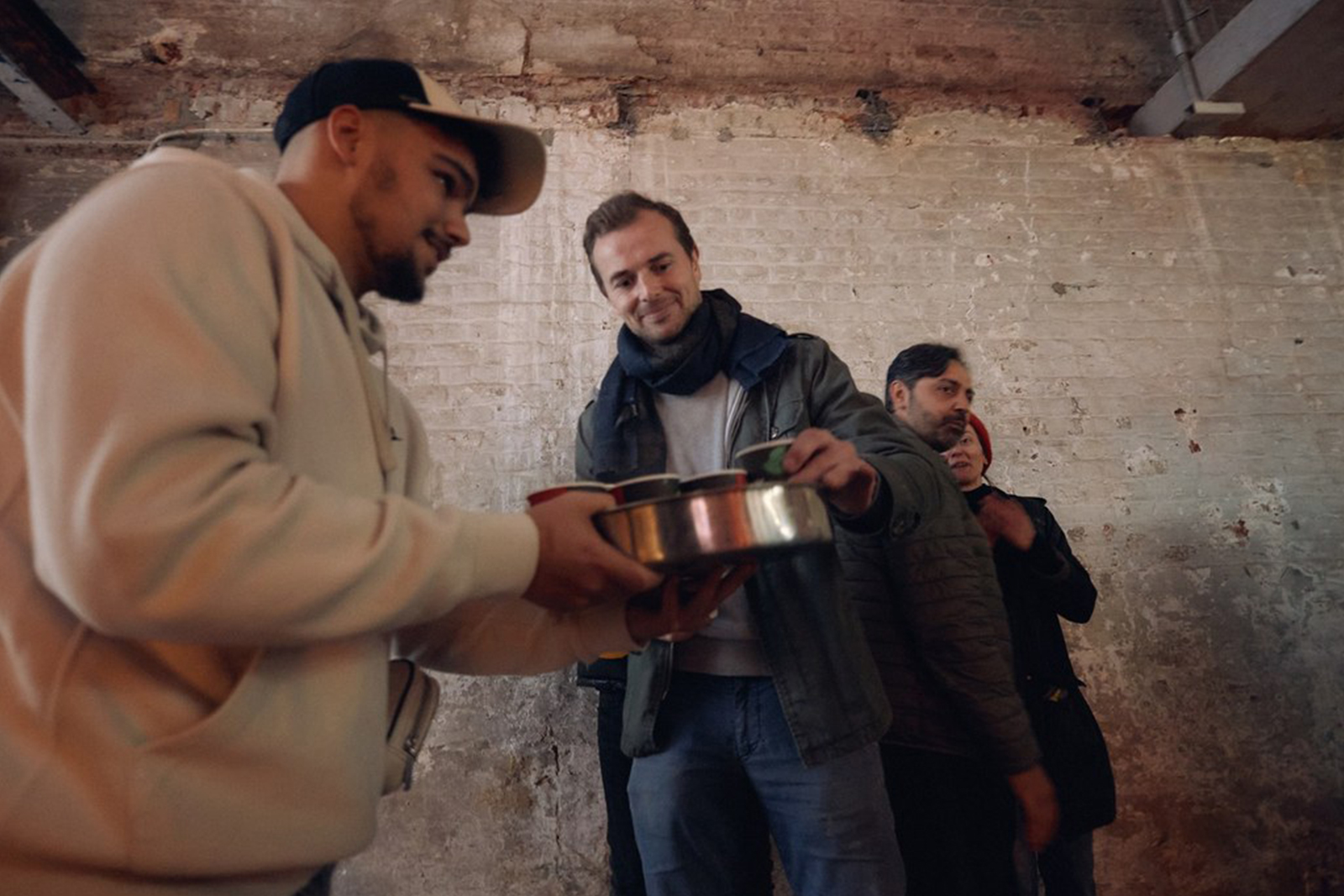
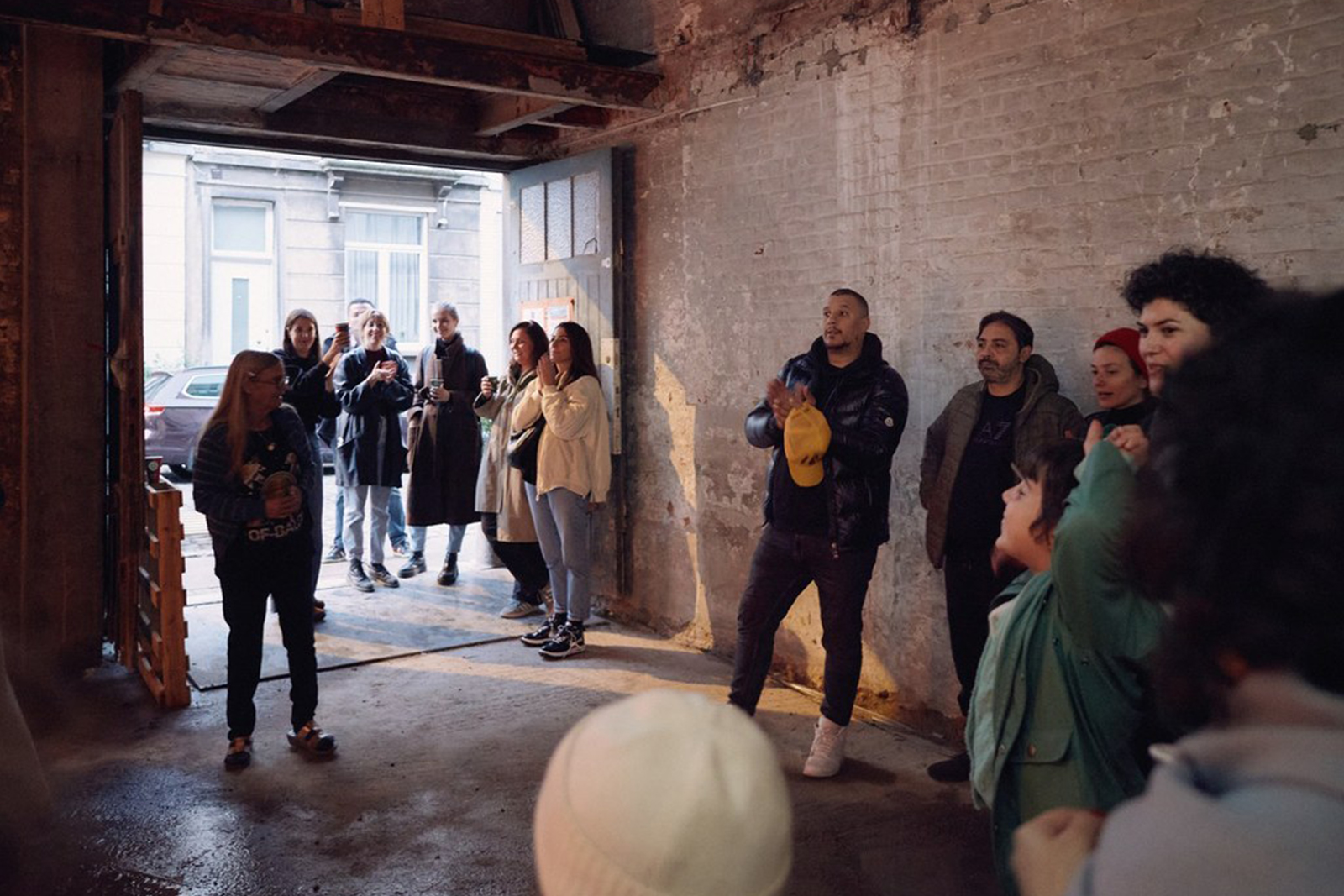
Early on, with the first sketches and ideas, it became clear that the space was meant to be more than just a workplace. Bigger than what we needed, it revealed a potential far beyond its walls: a place that could engage, connect, and spark new activities within the neighborhood and its community.
Through a participative process of internal workshops, and conversations with neighbours, fellow designers, local administration, and building partners, Materiatek gradually took shape.
We defined its mission: an independent platform dedicated to materials, design, and human connection, a living tool for the creative community.
And then we got to work, turning ideas into shapes, textures, and a lived space.
Design approach
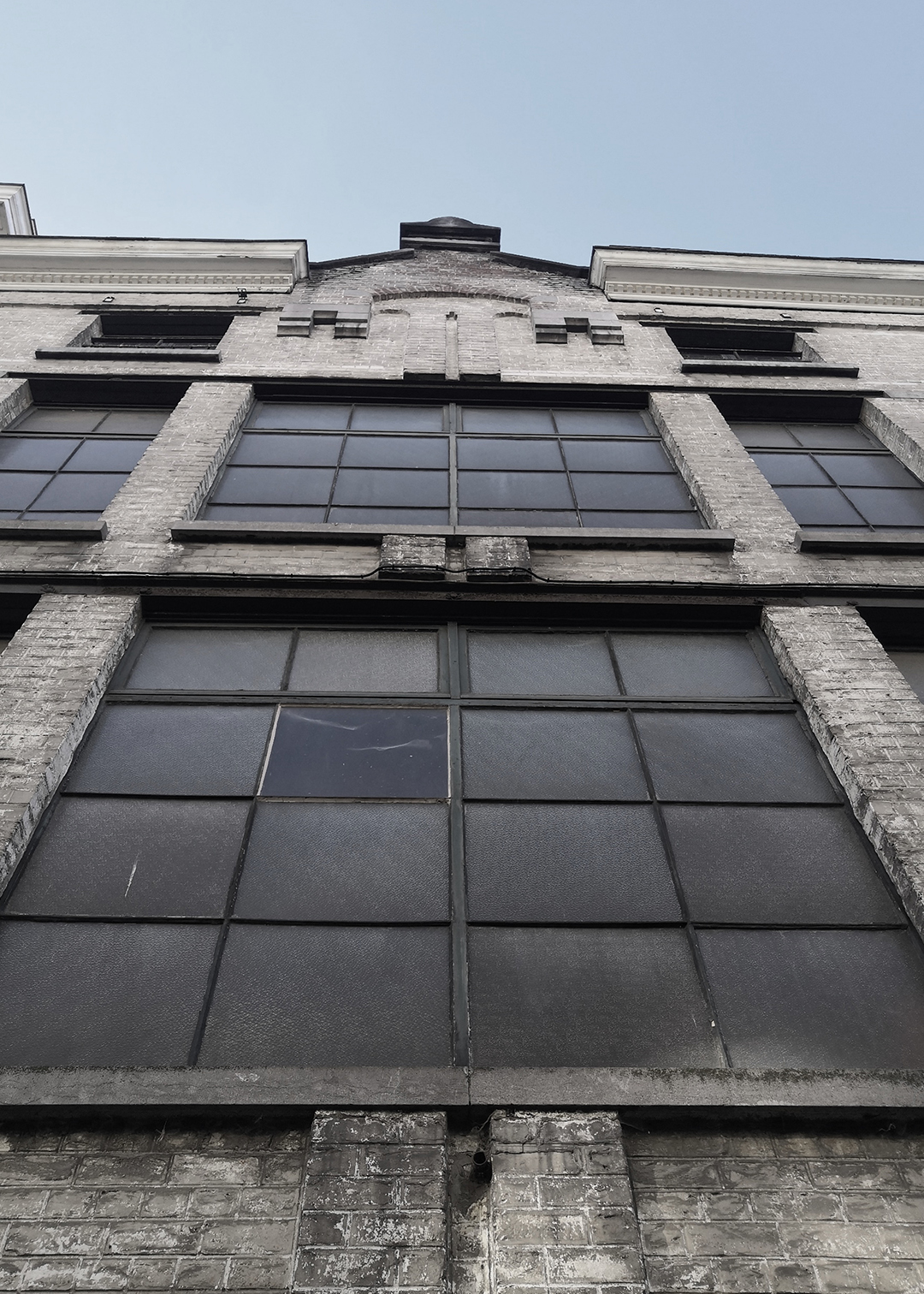
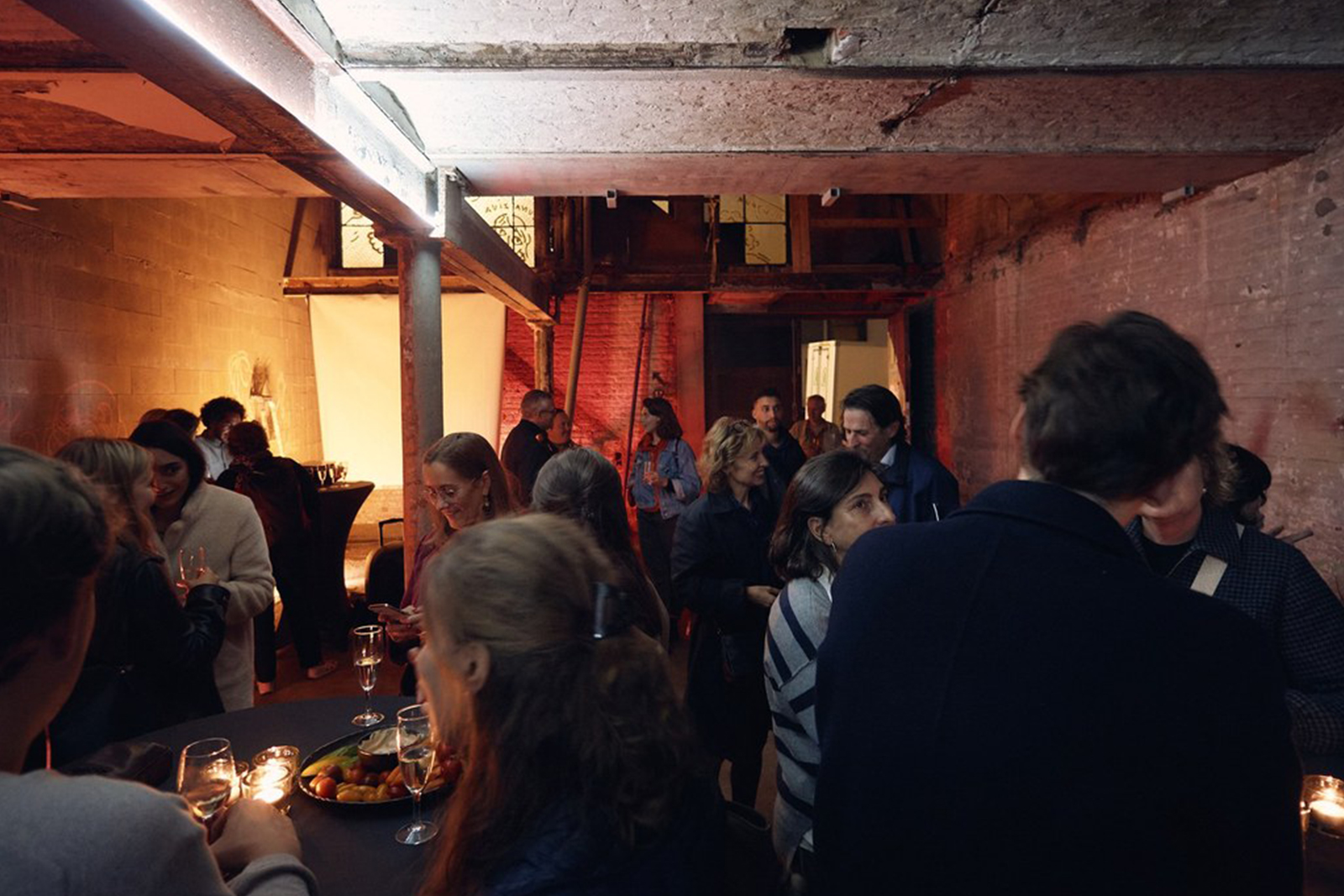
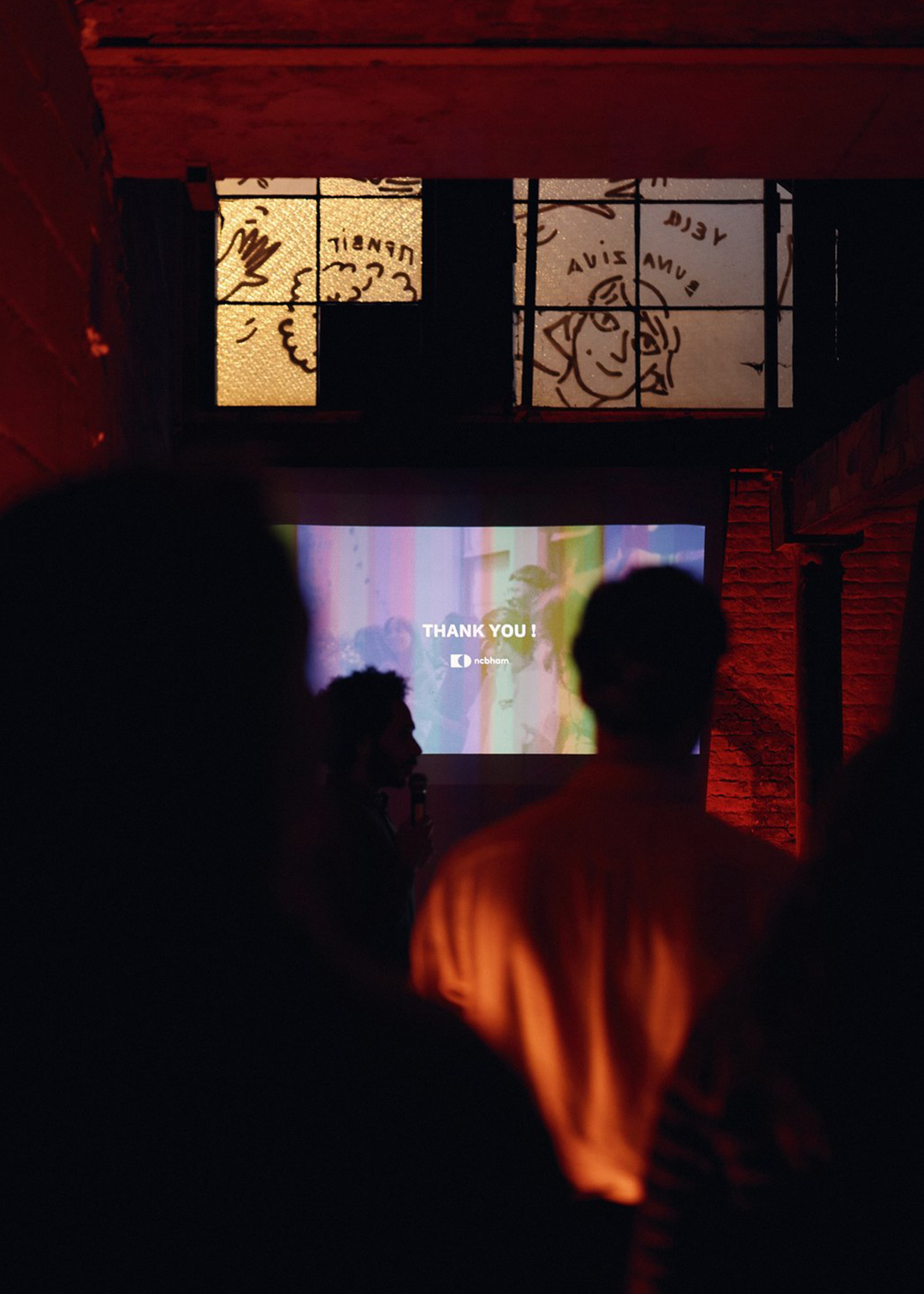
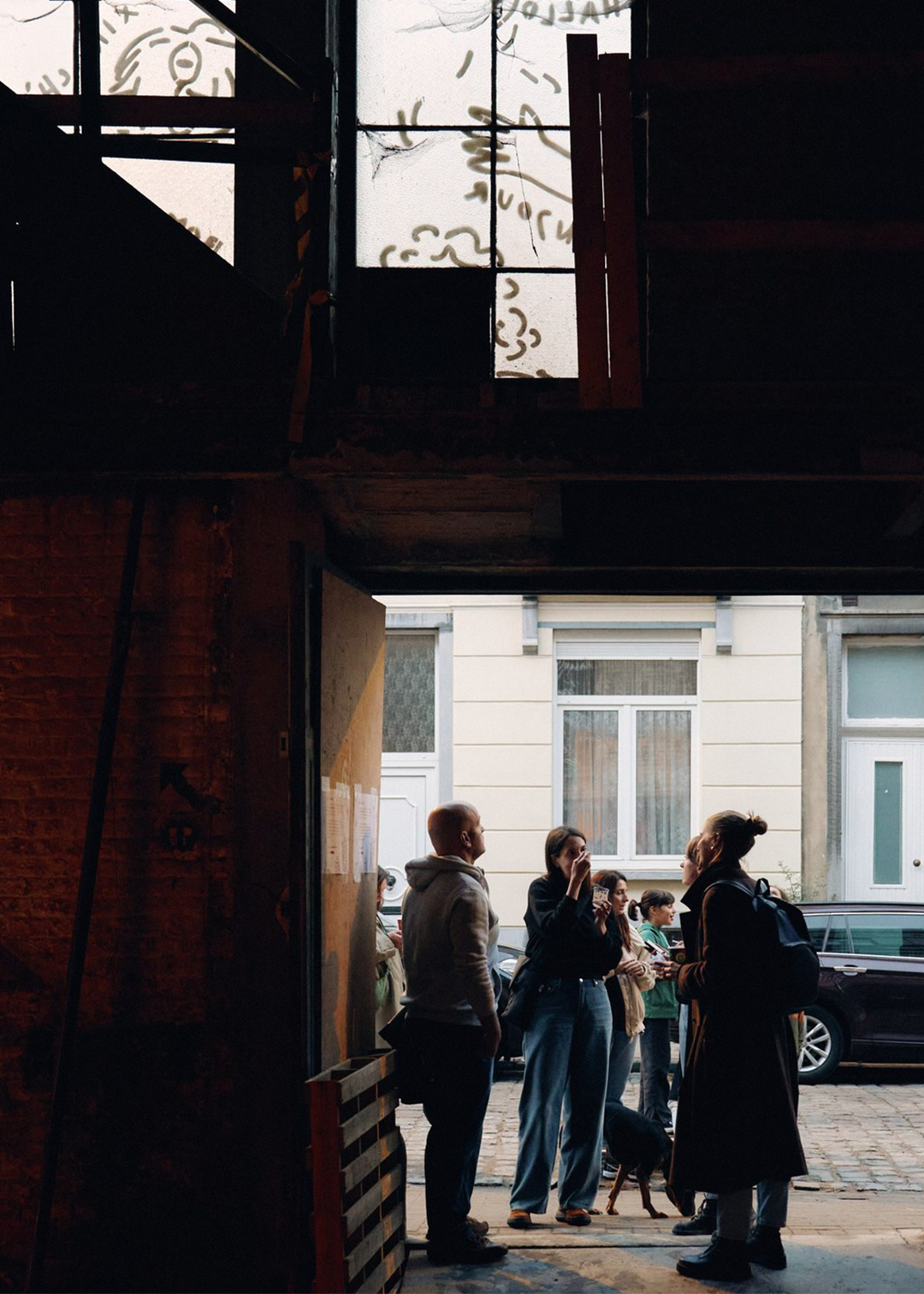
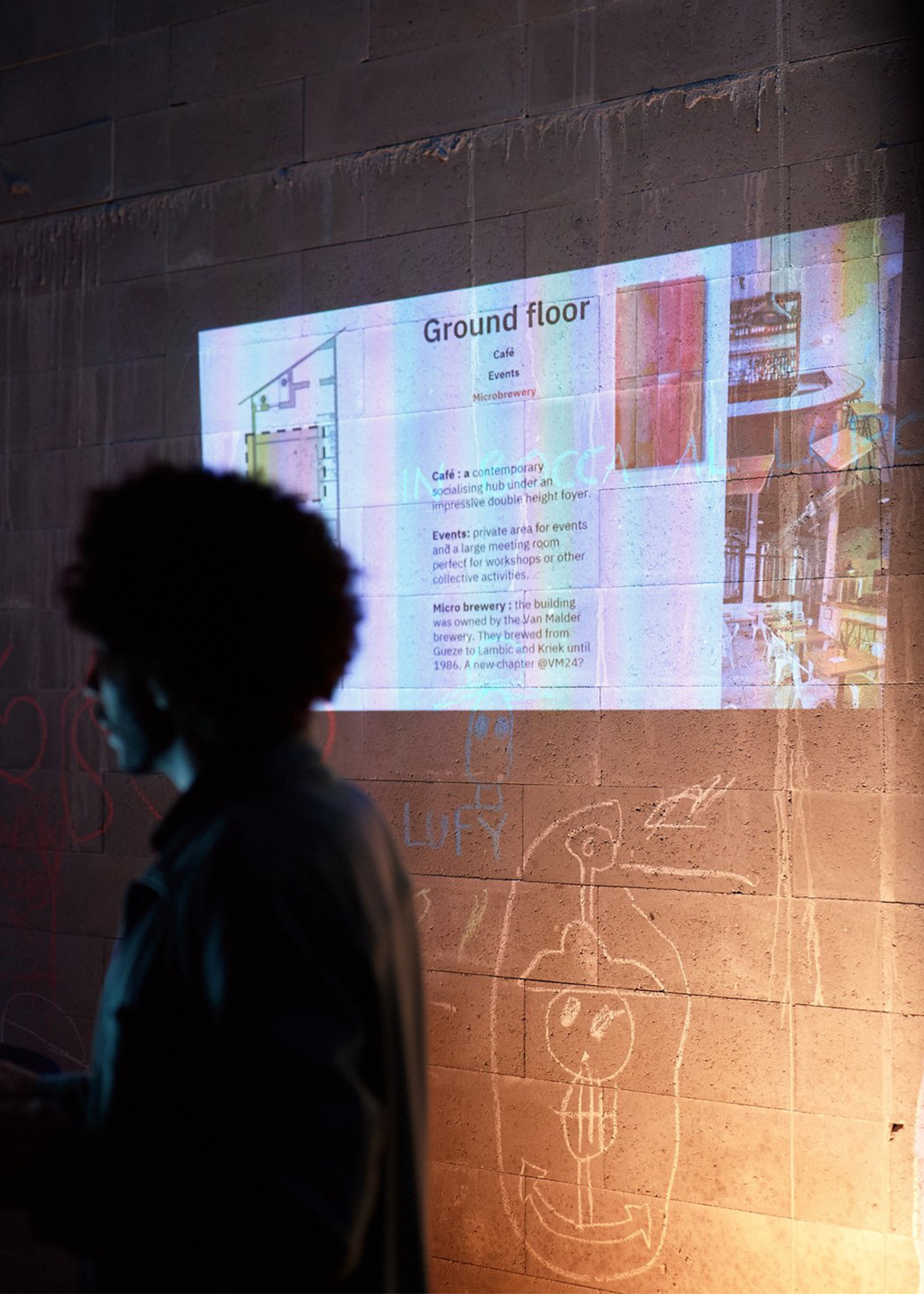
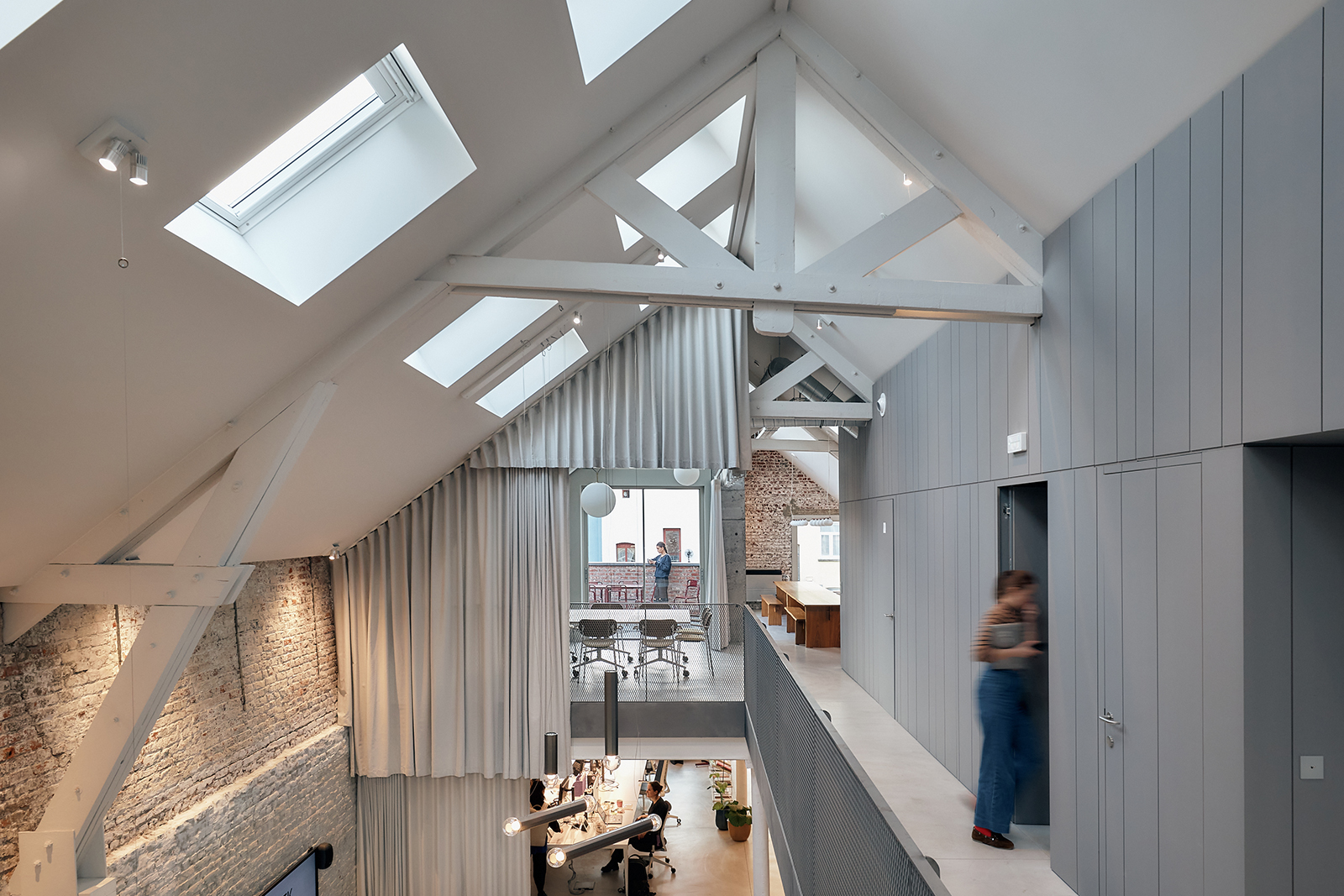
The century-old industrial building once part of the historic Brasserie Van Malder was thoughtfully transformed into a modern, multifunctional space that bridges heritage and innovation.
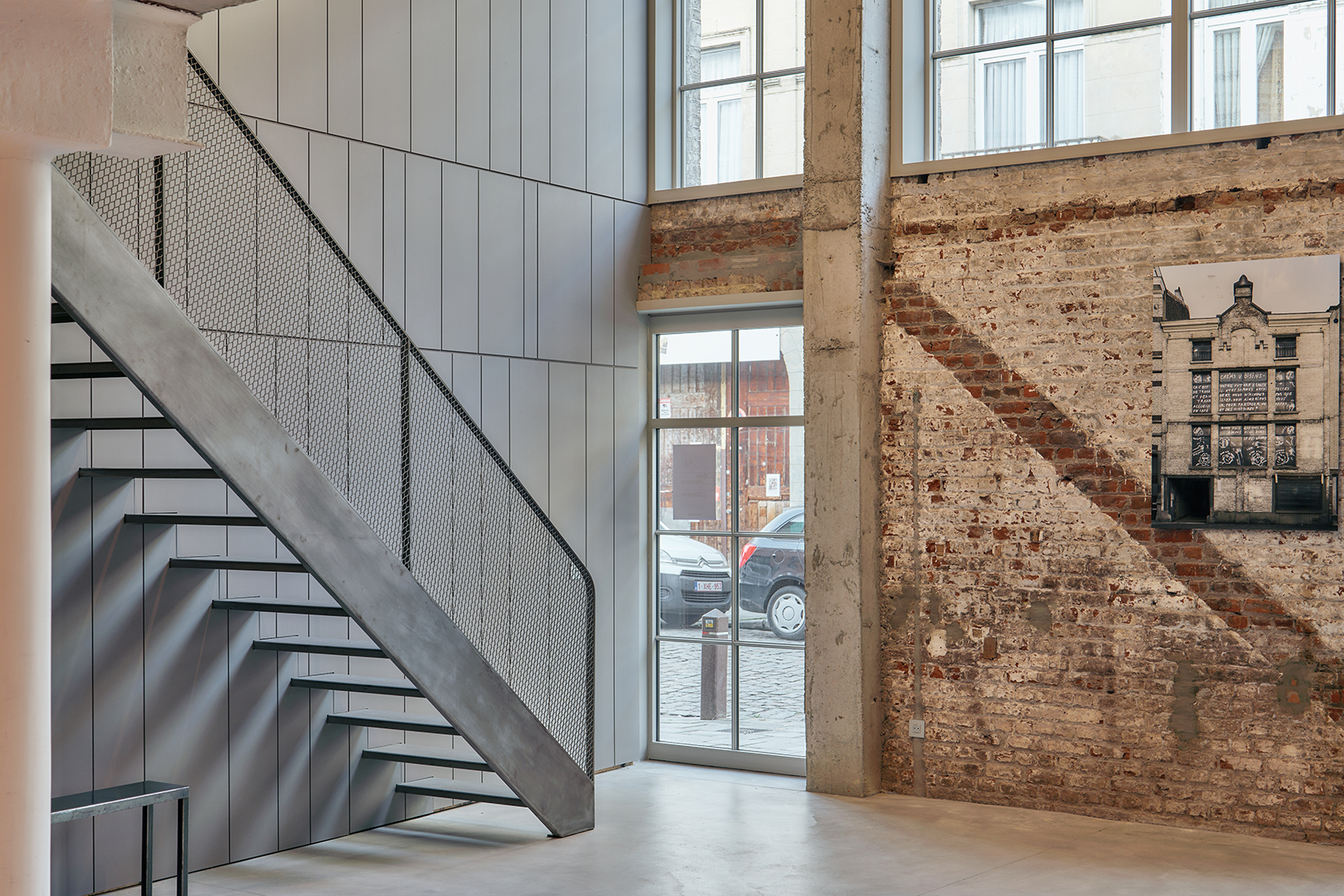
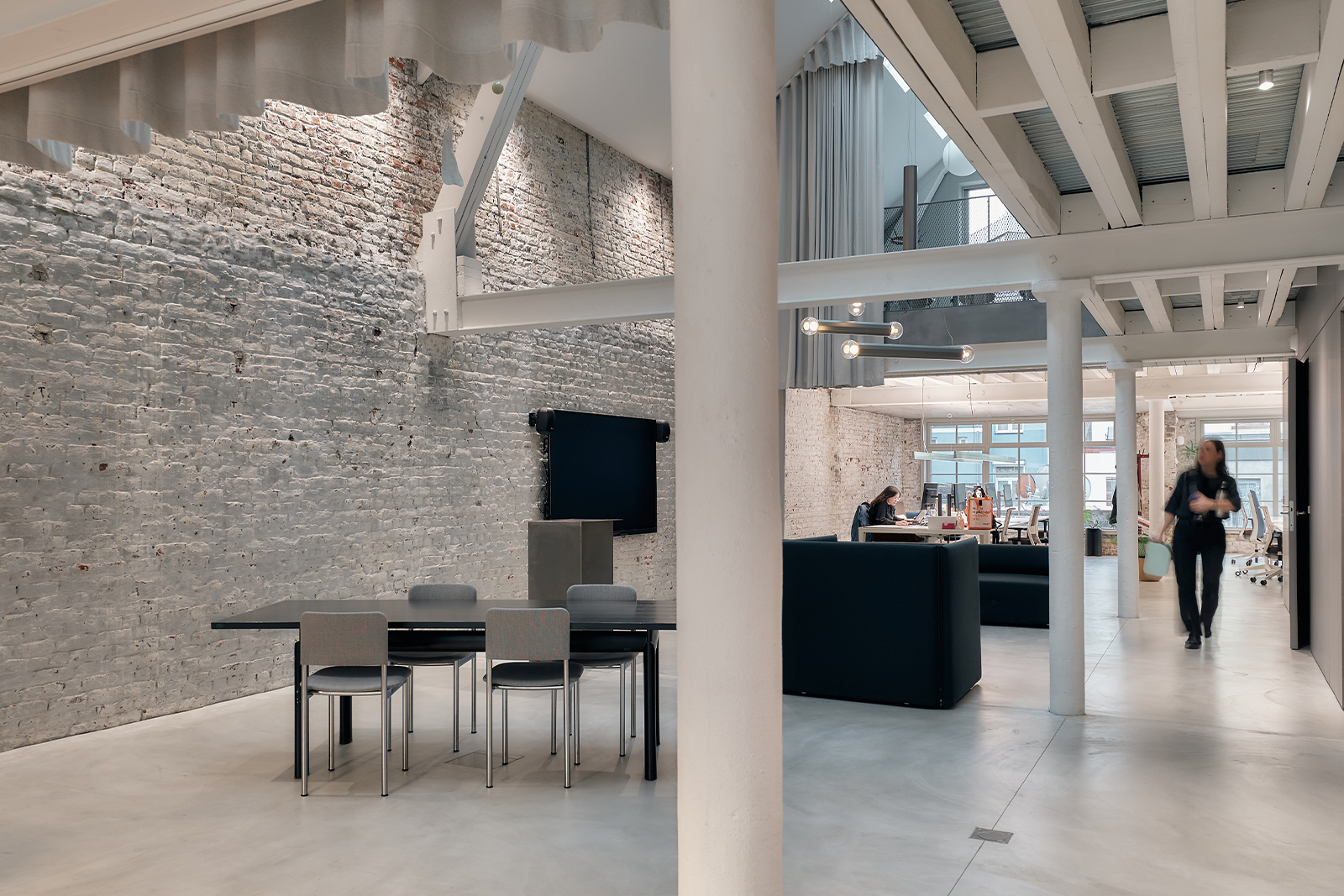
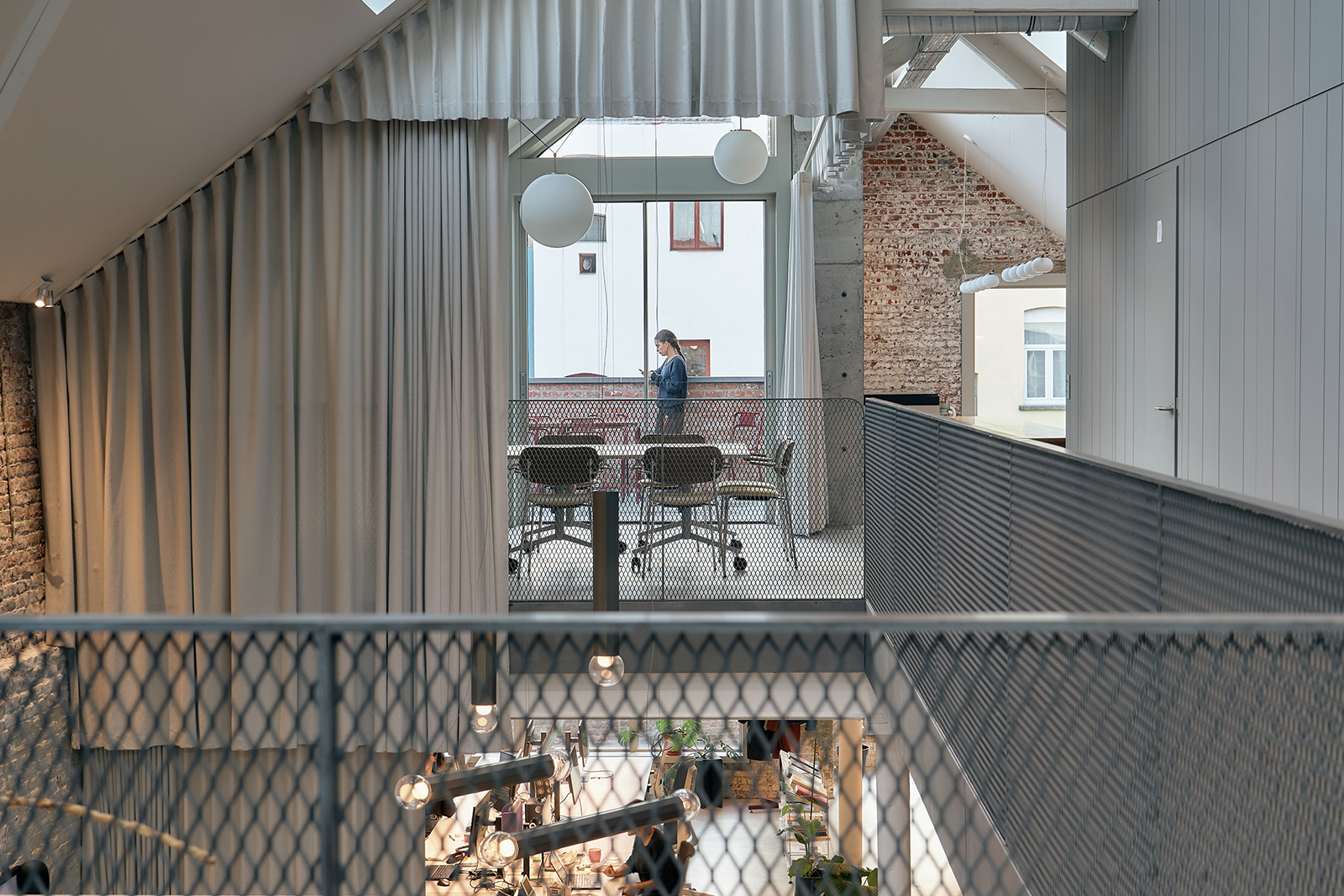
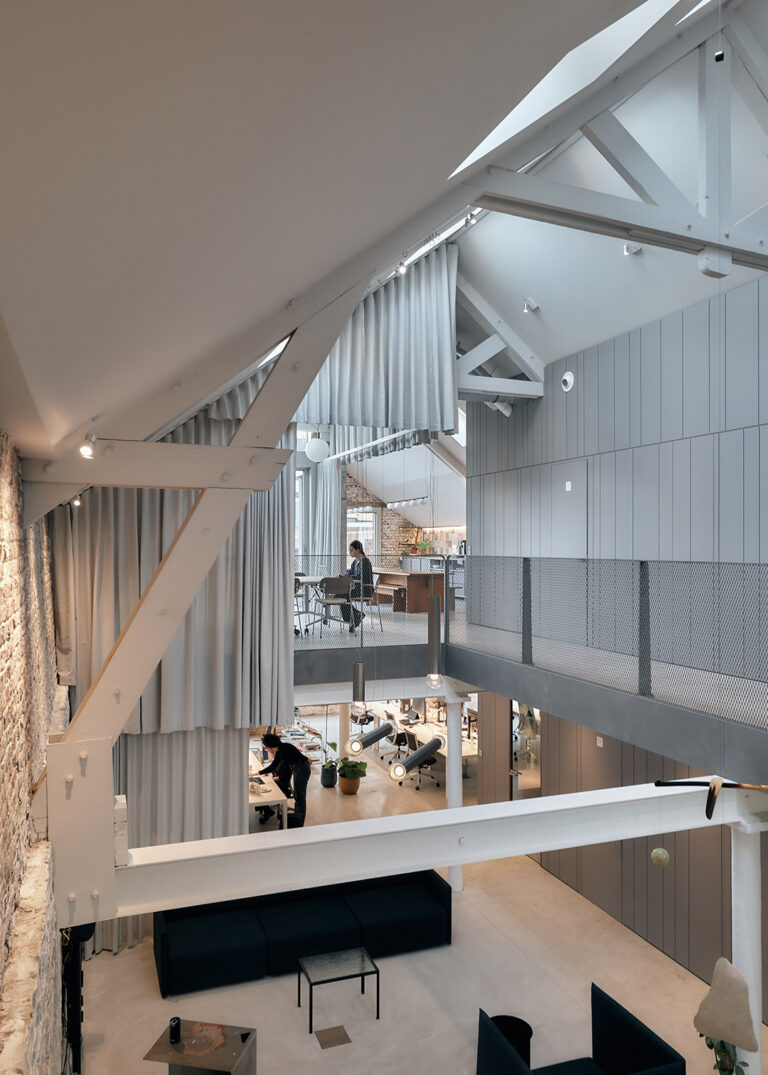
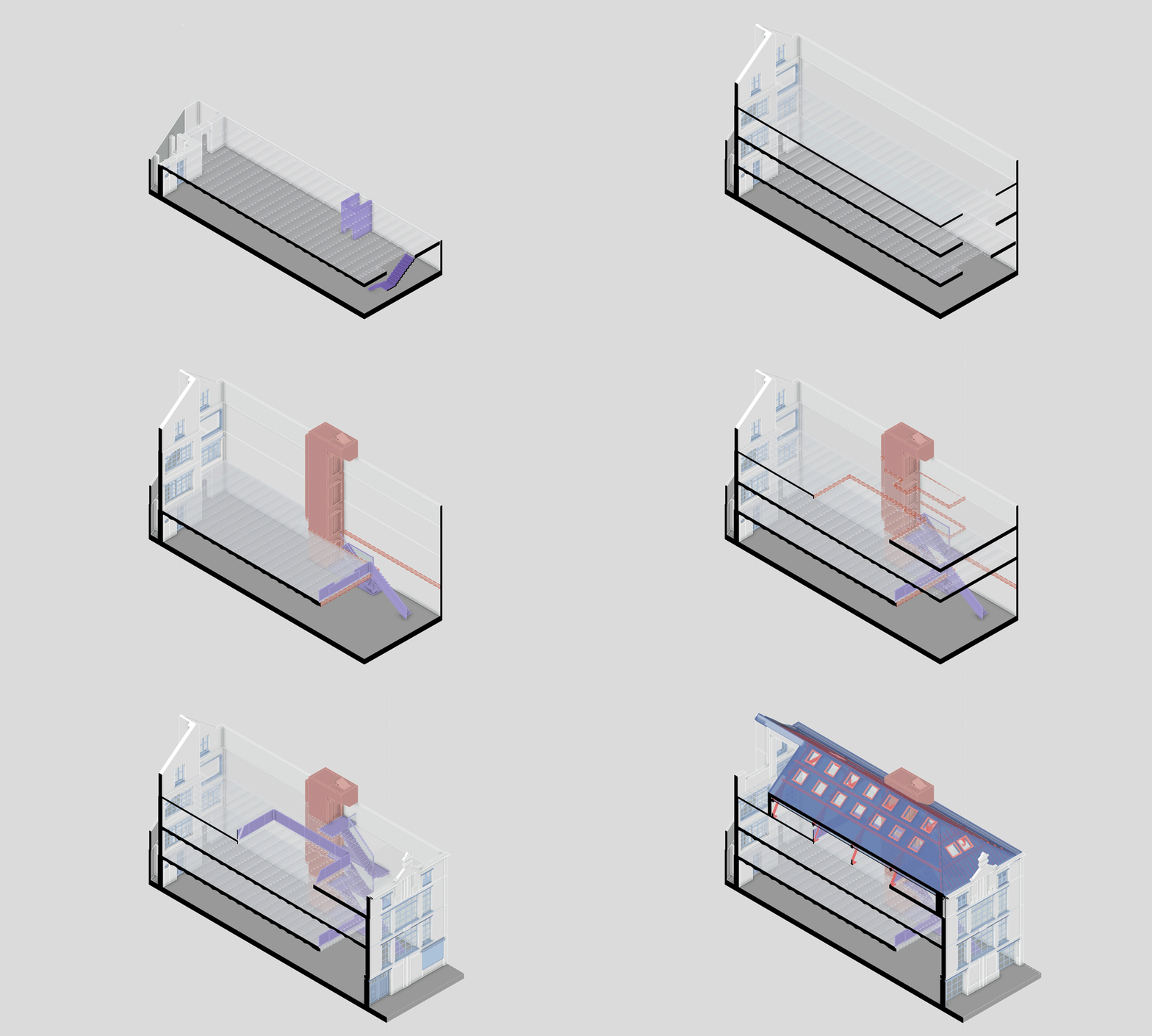
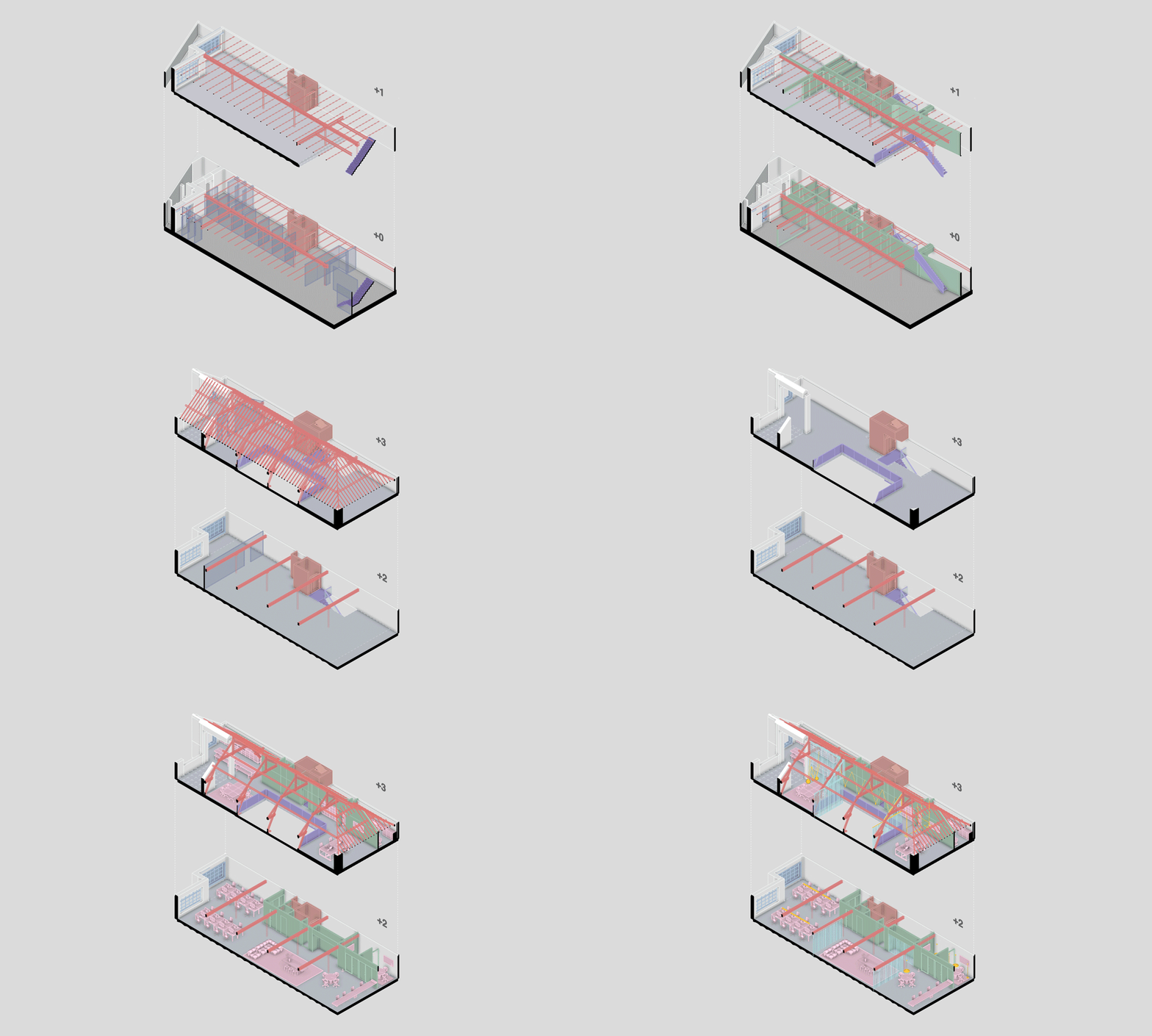
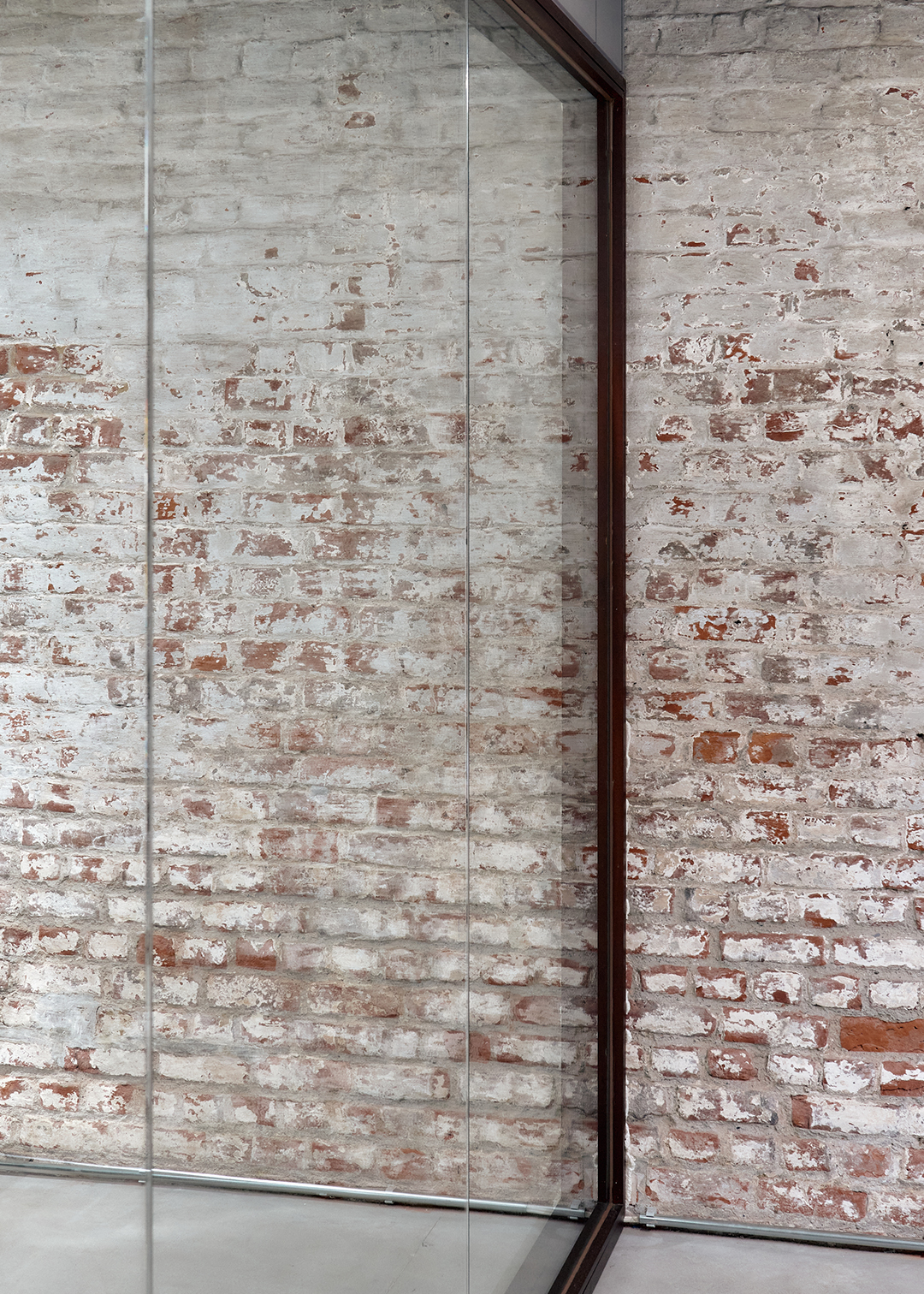
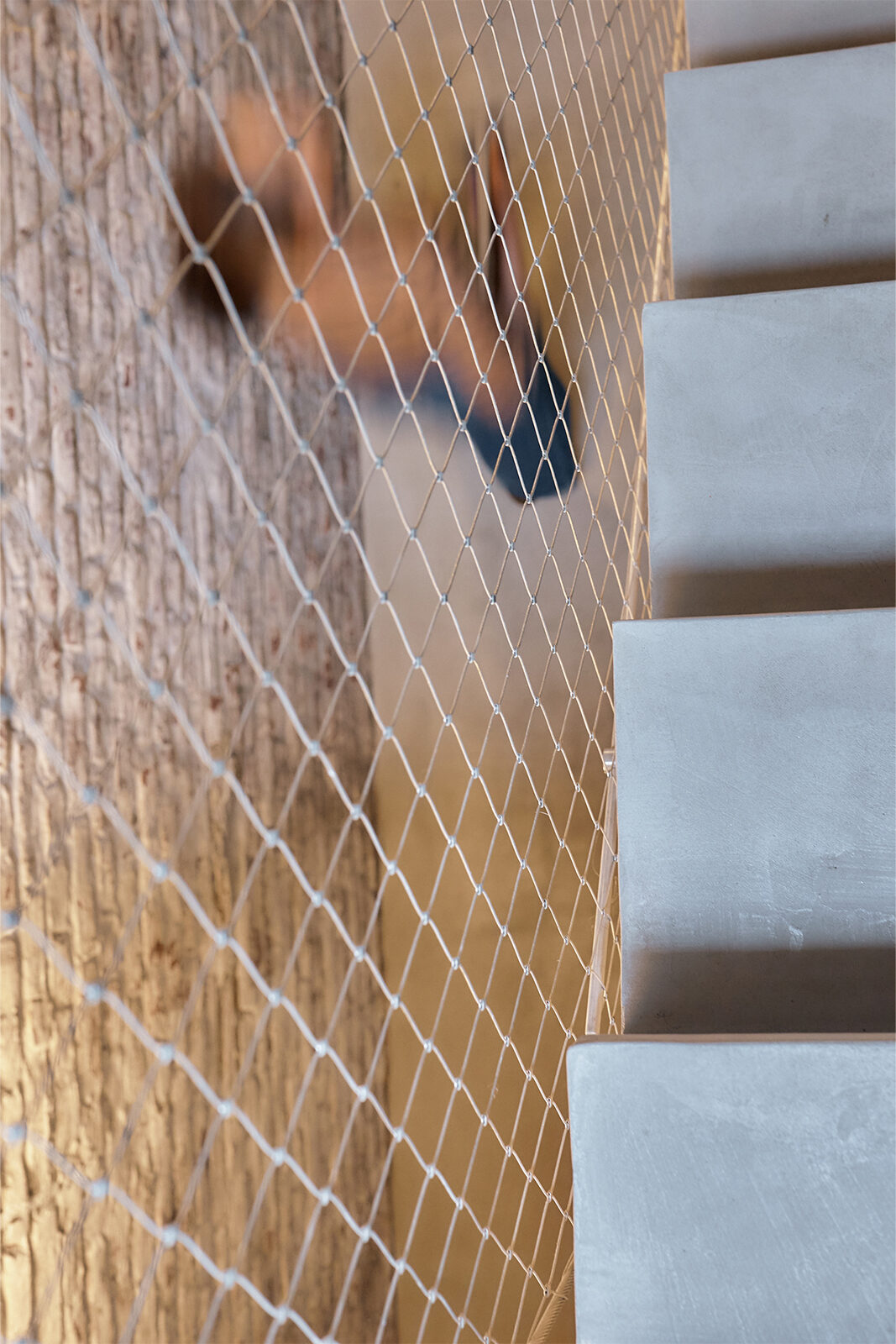
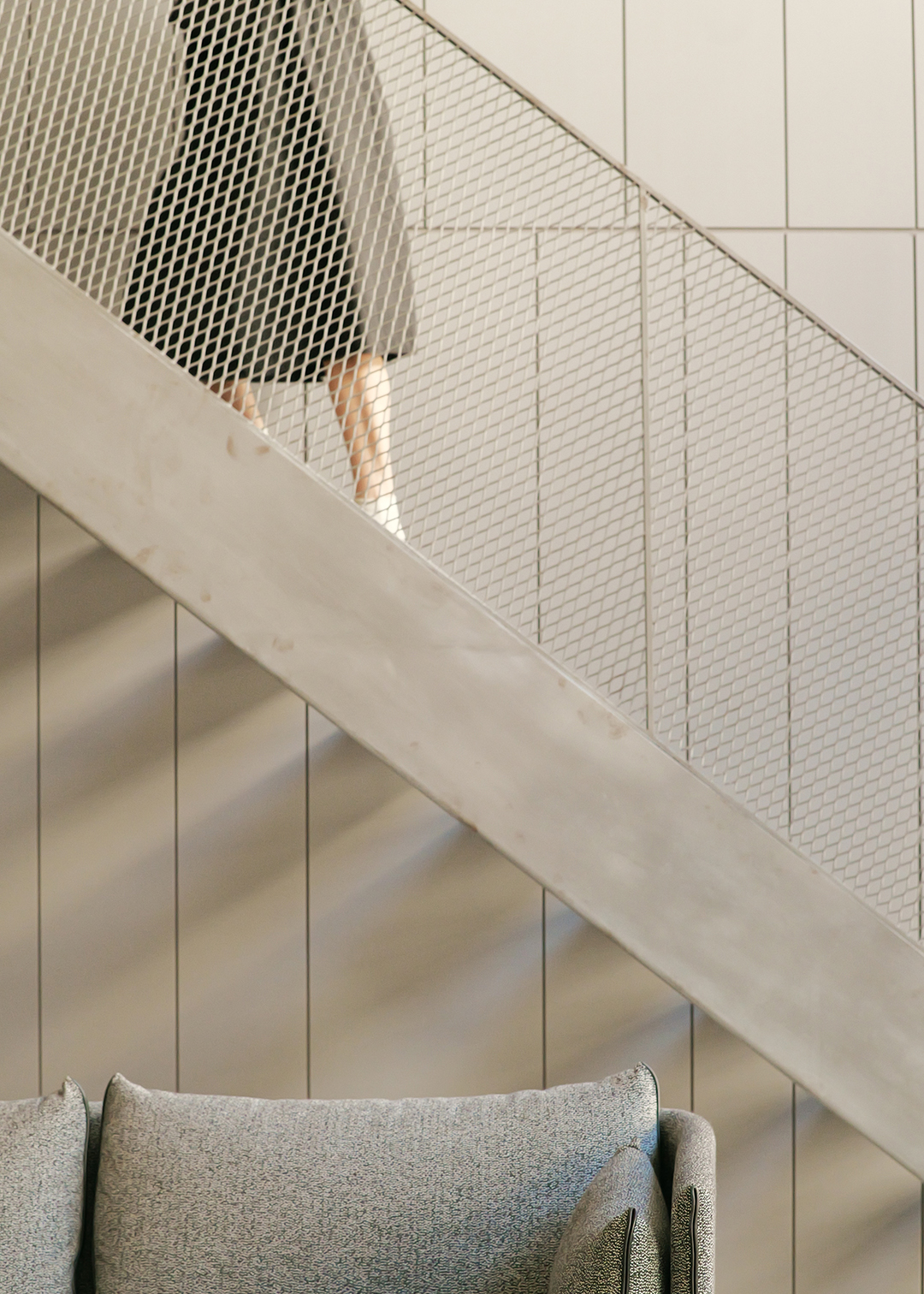
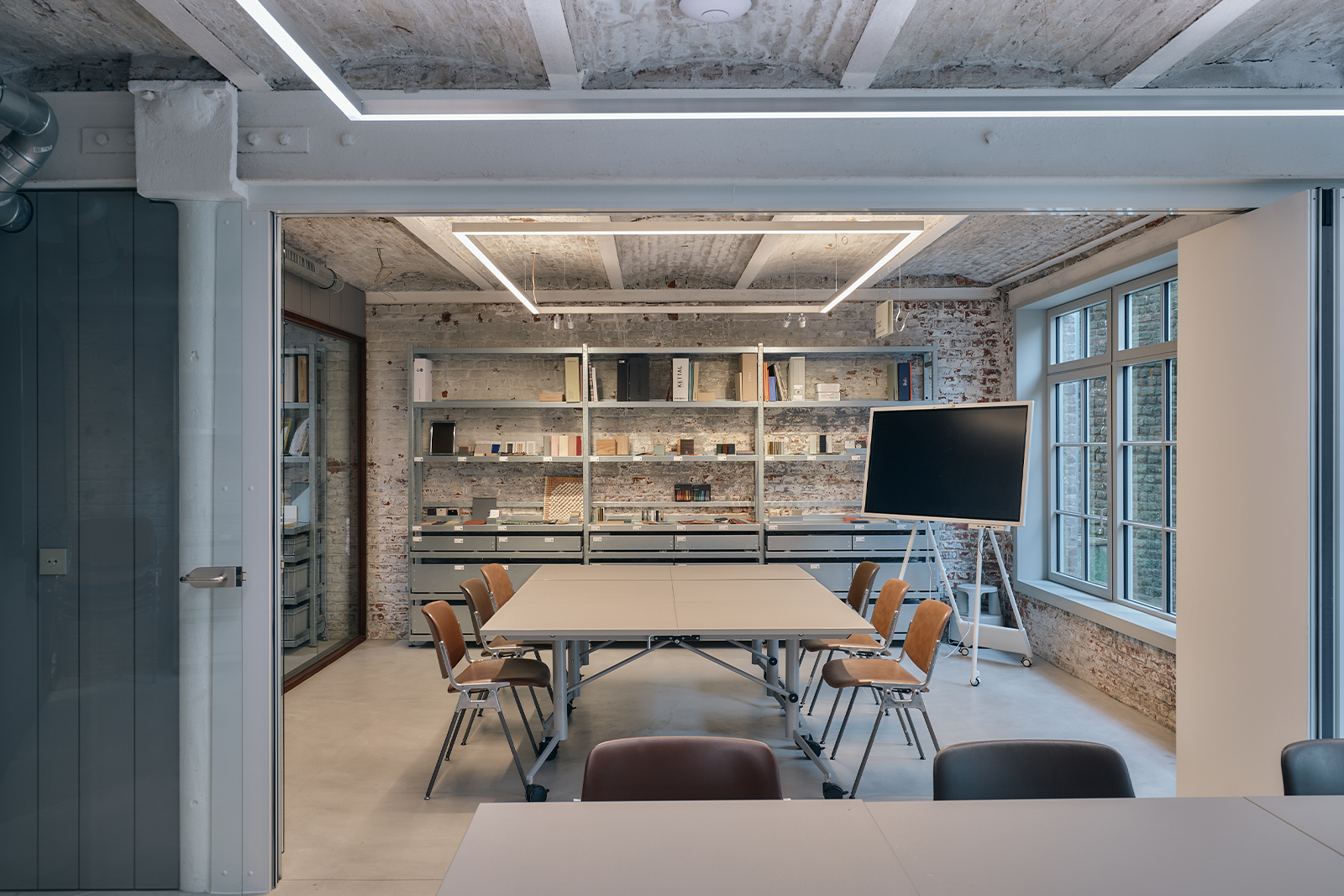
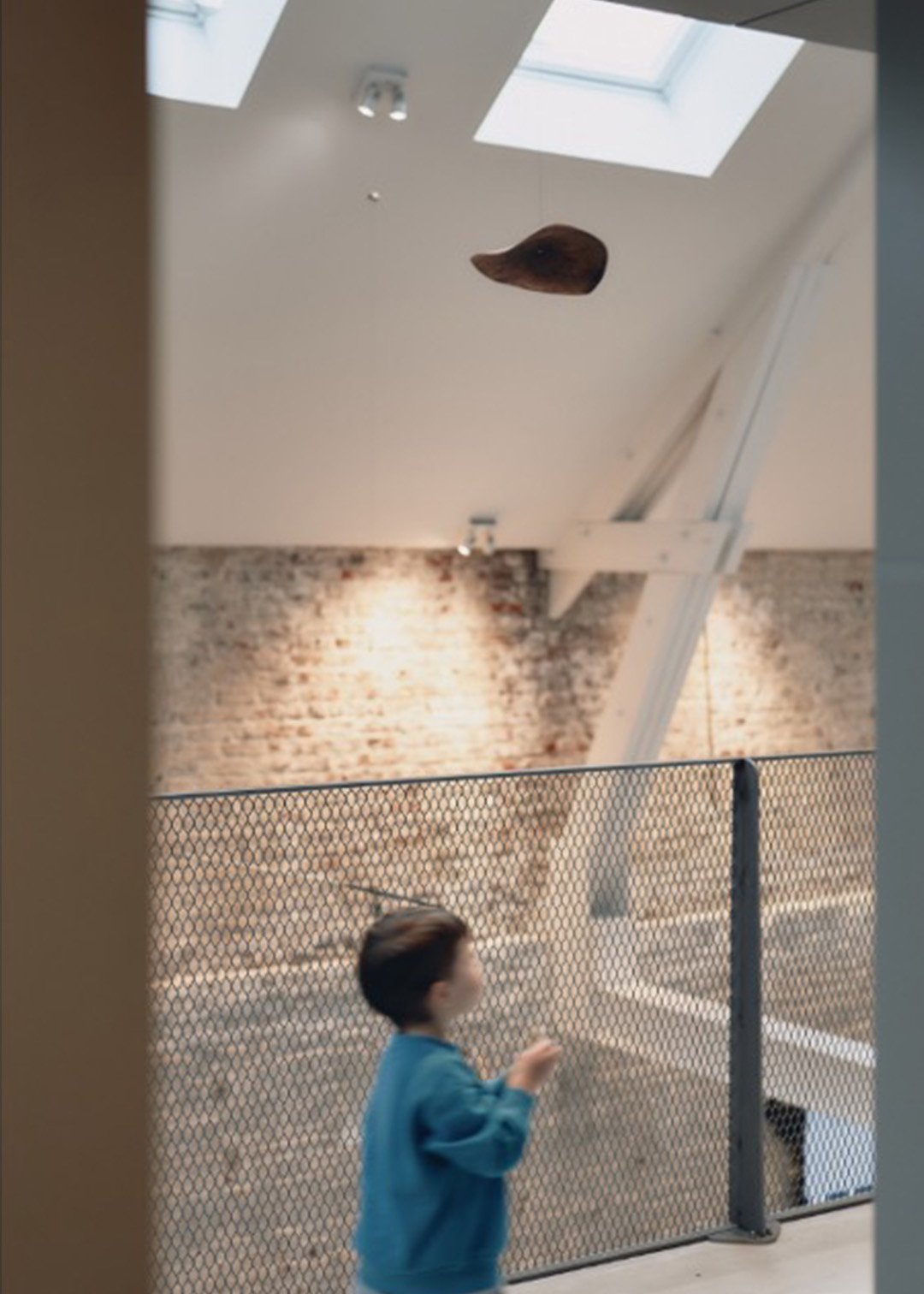
The renovation celebrates the building’s industrial character while introducing contemporary spatial dynamics. Structural interventions including a complete roof replacement and partial floor demolition bring natural light deep into the building and create fluid connections while original surfaces, exposed junctions and visible imperfections are preserved in a spirit of architectural honesty.
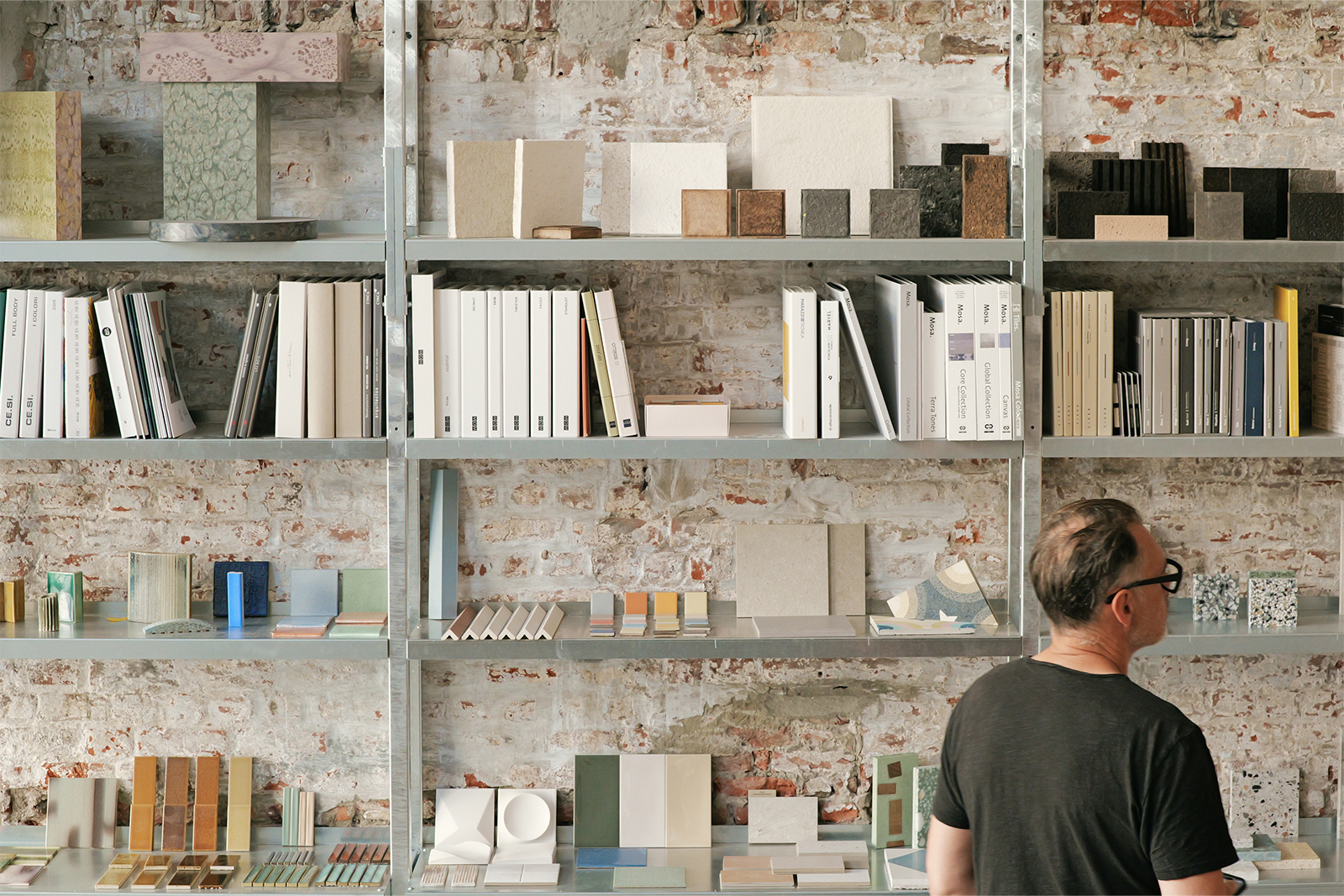
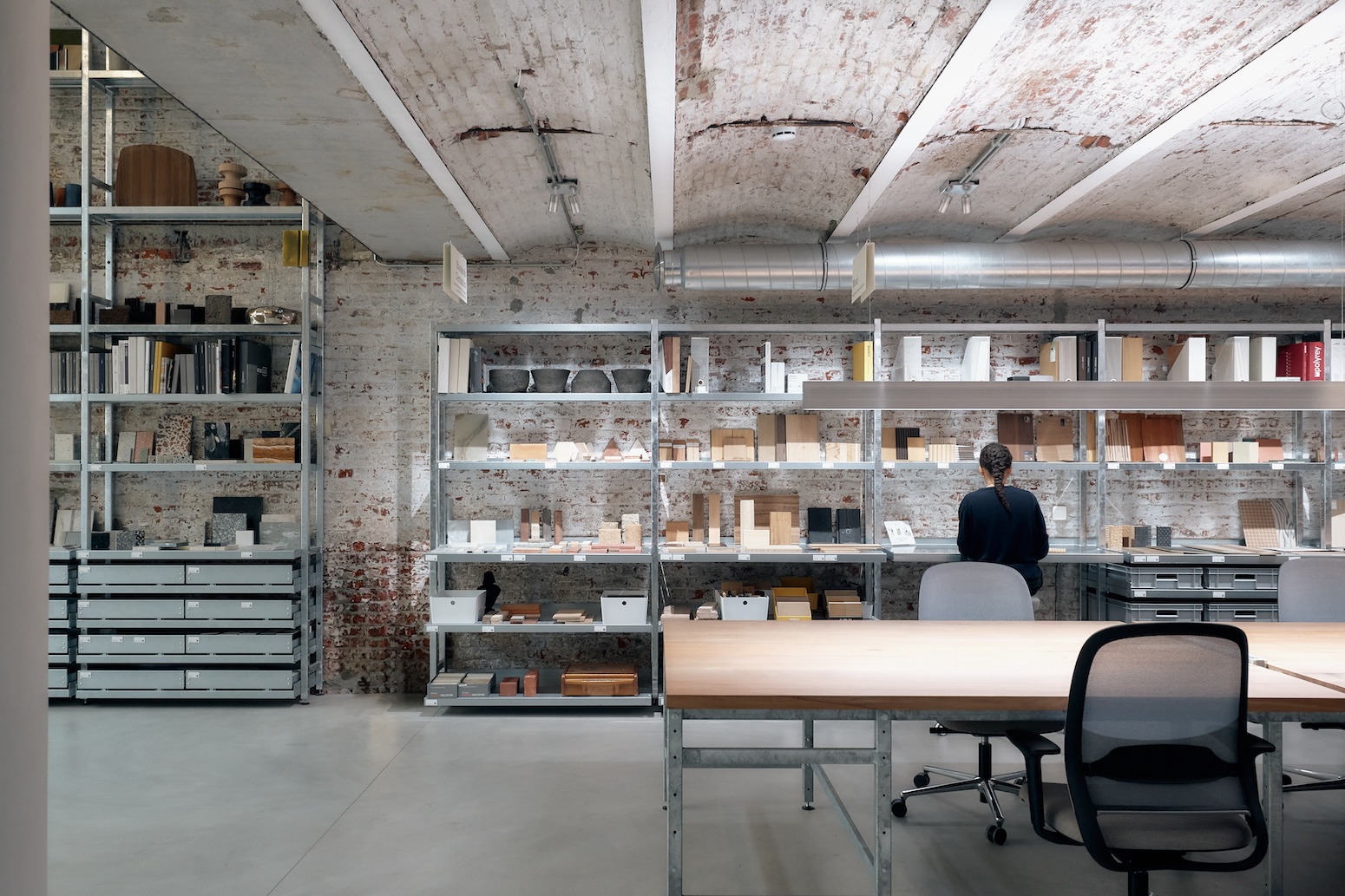
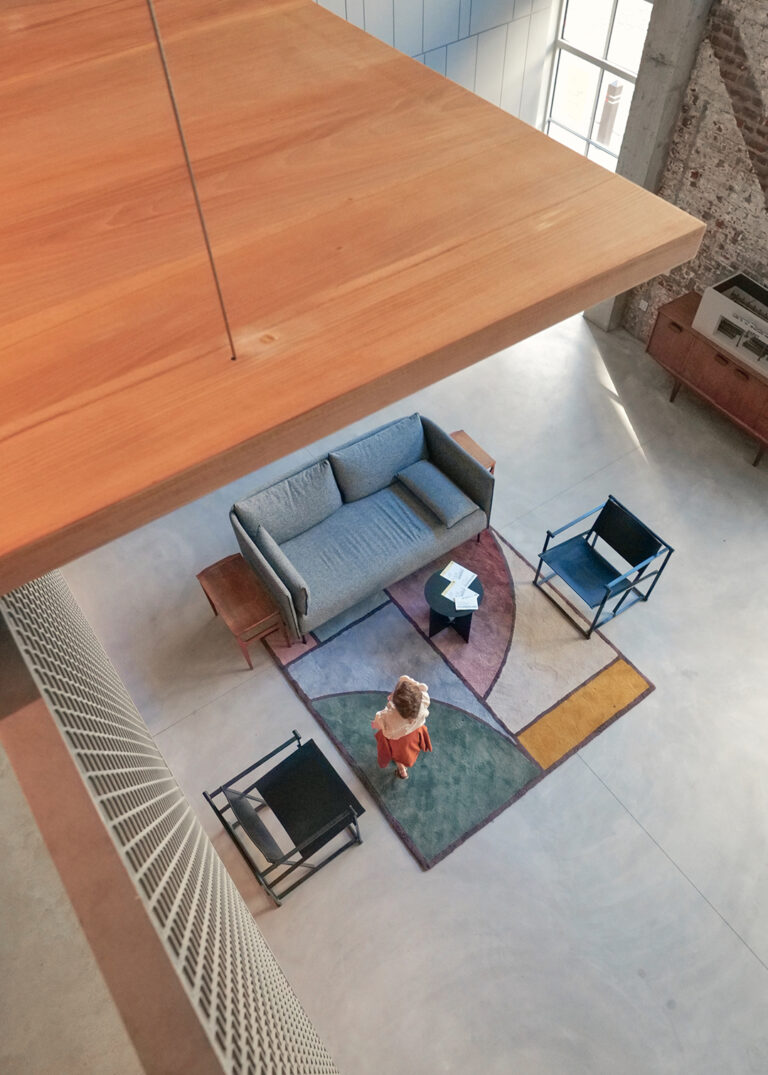
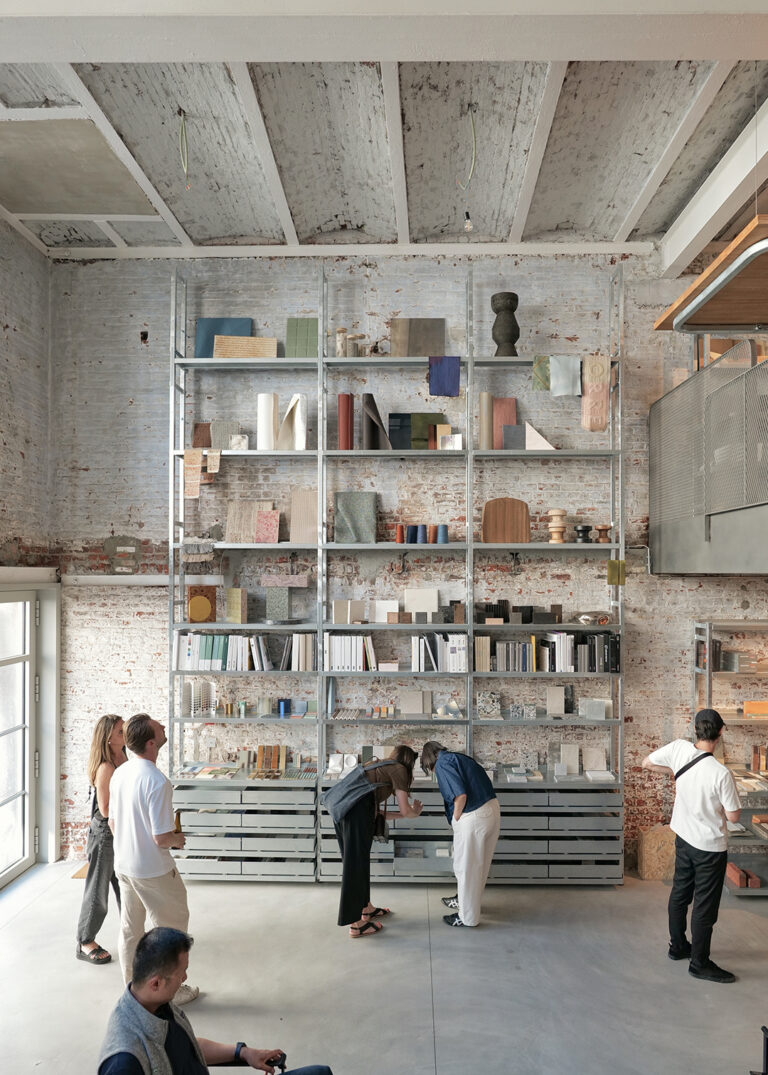
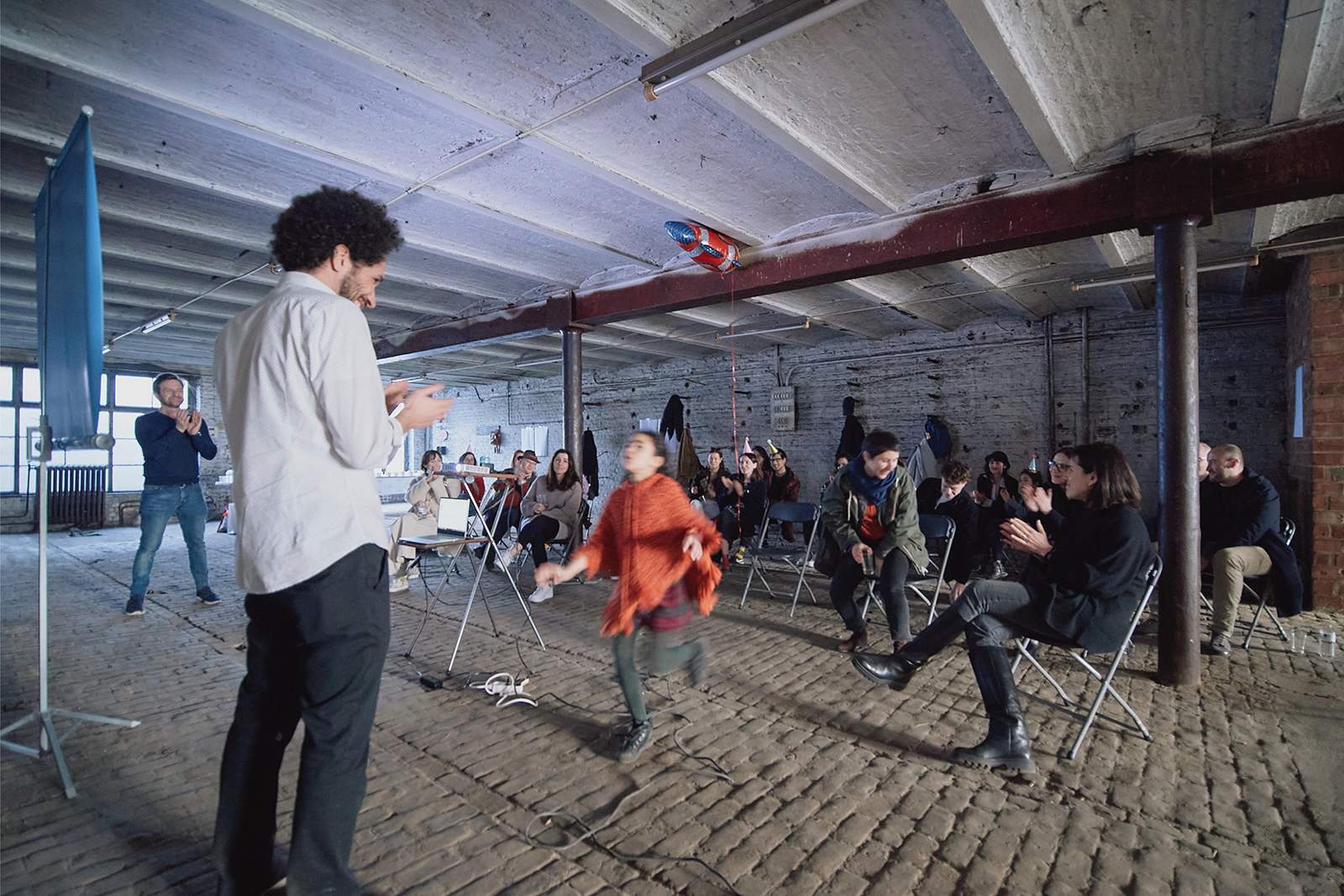
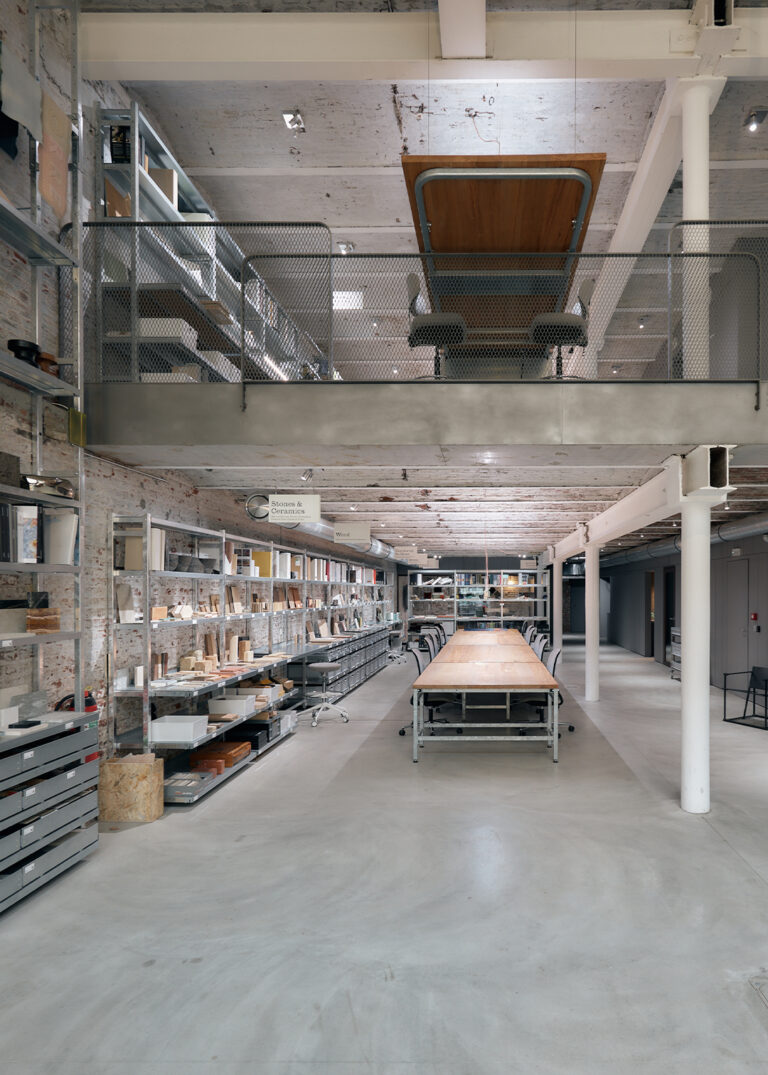
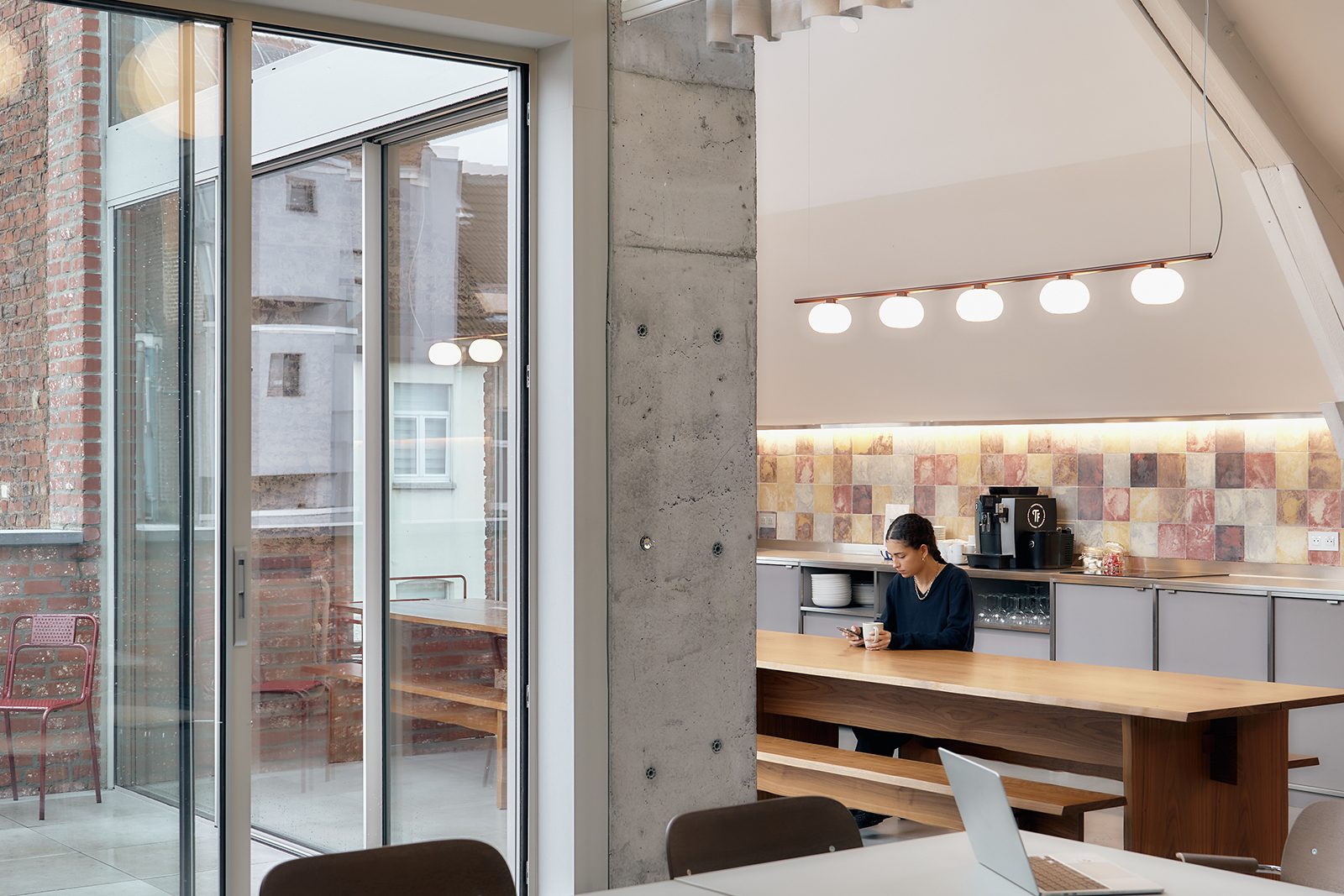
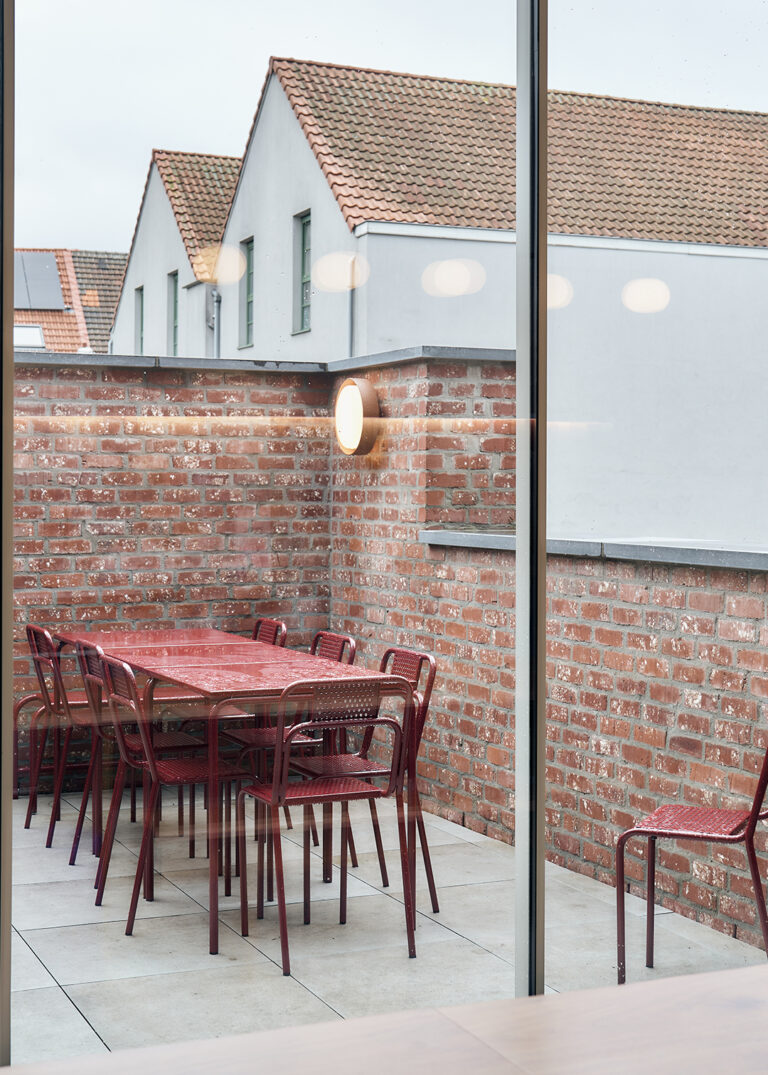
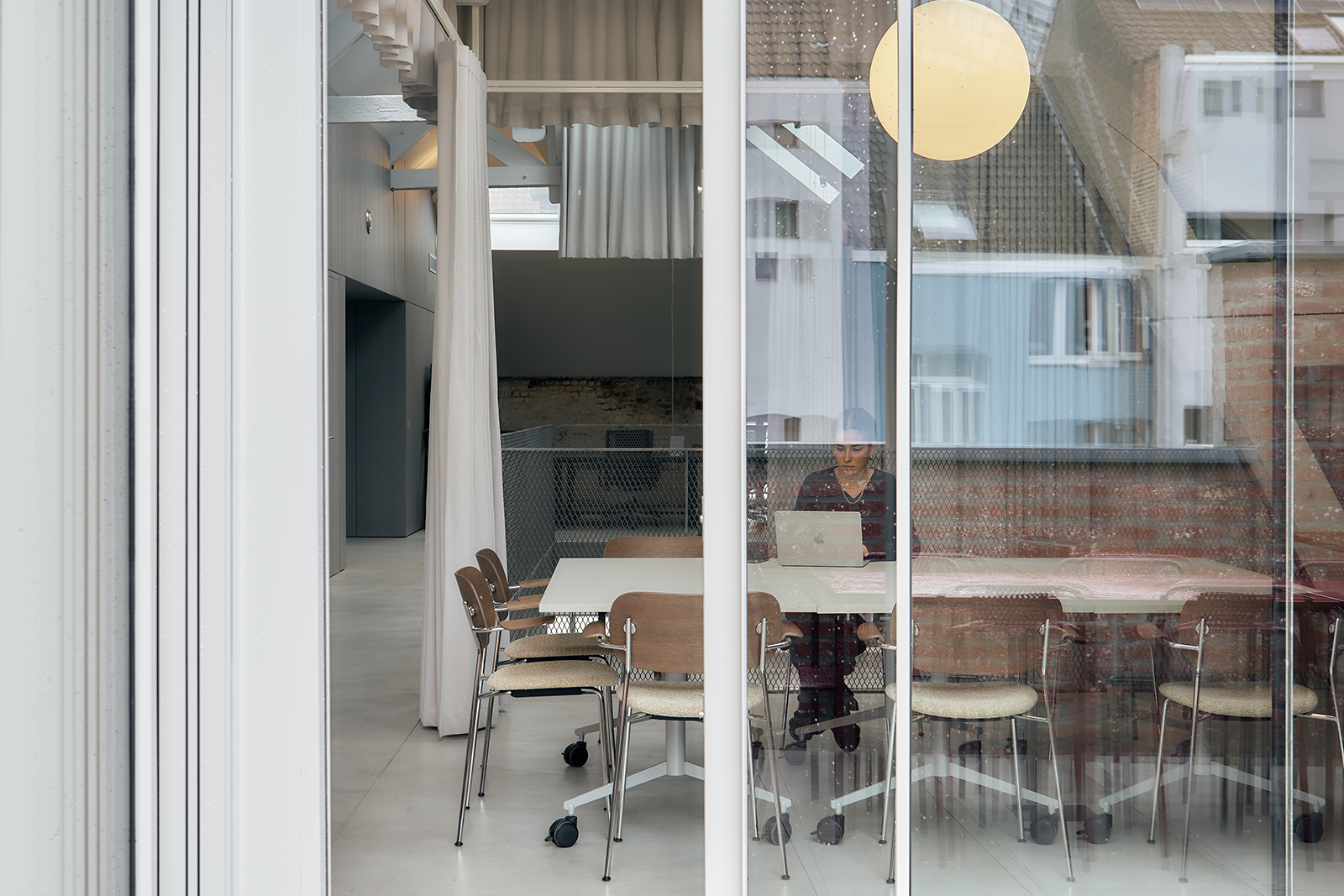
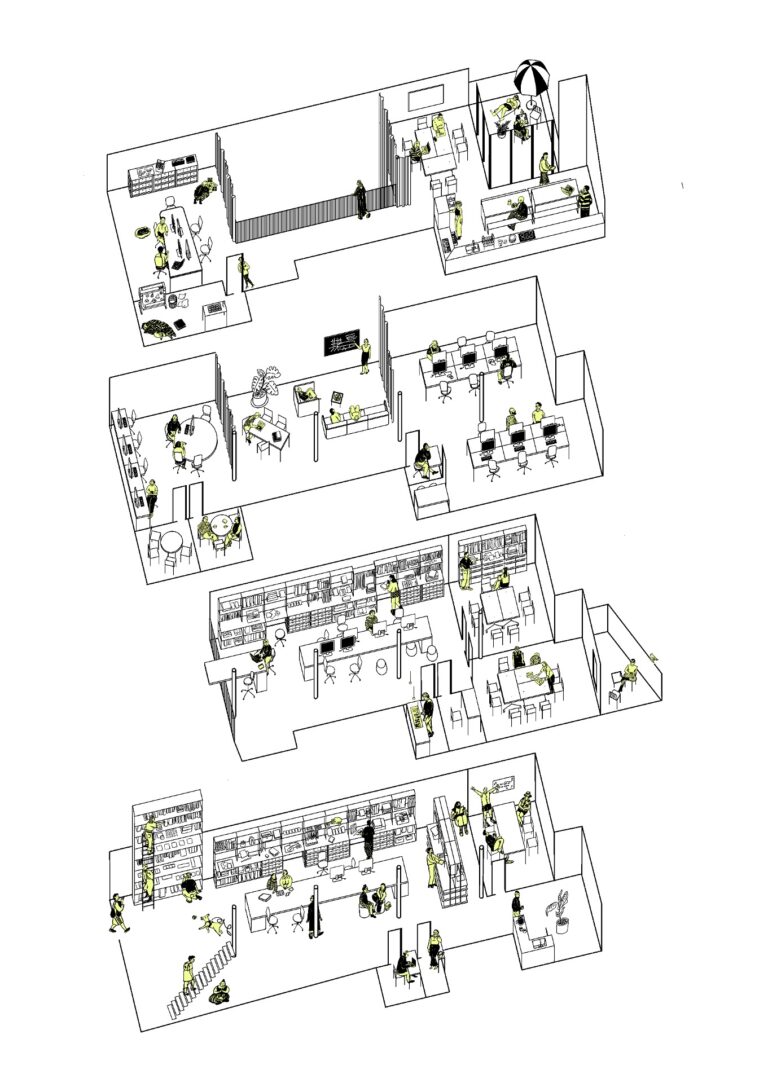
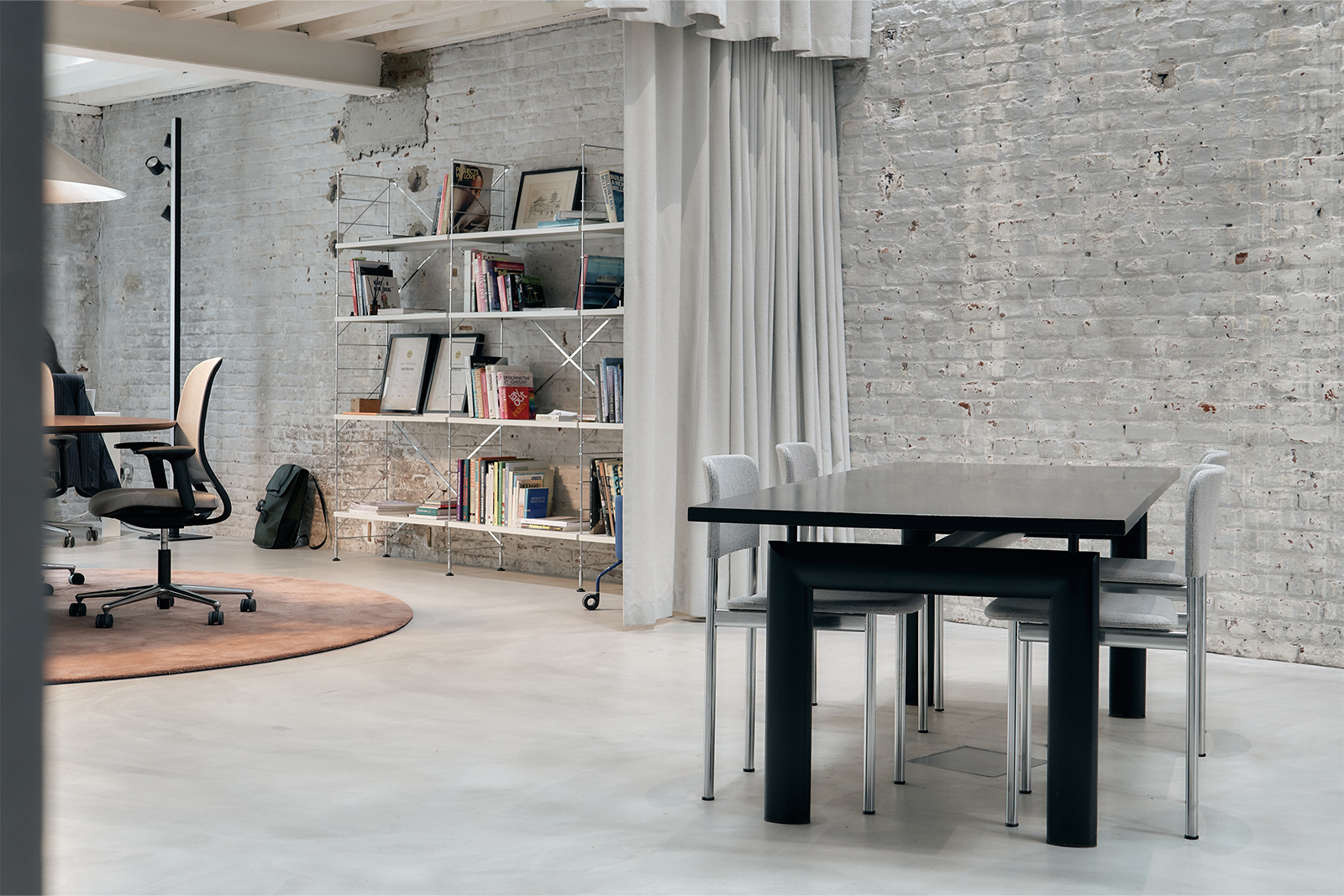
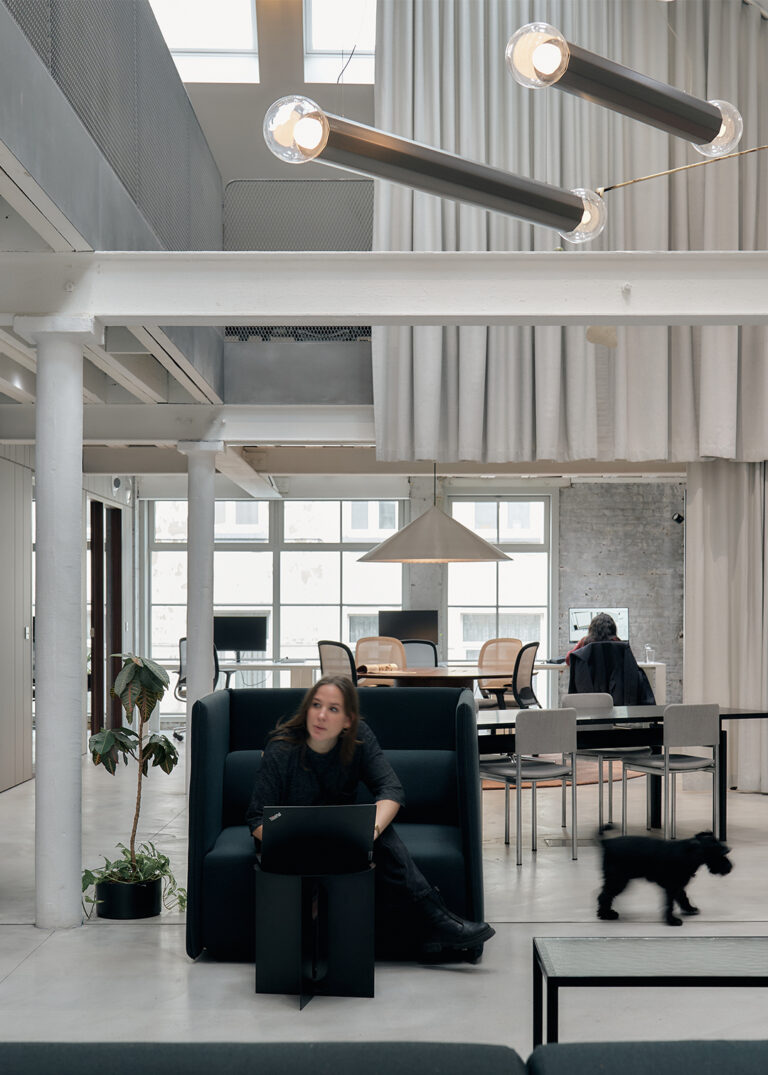
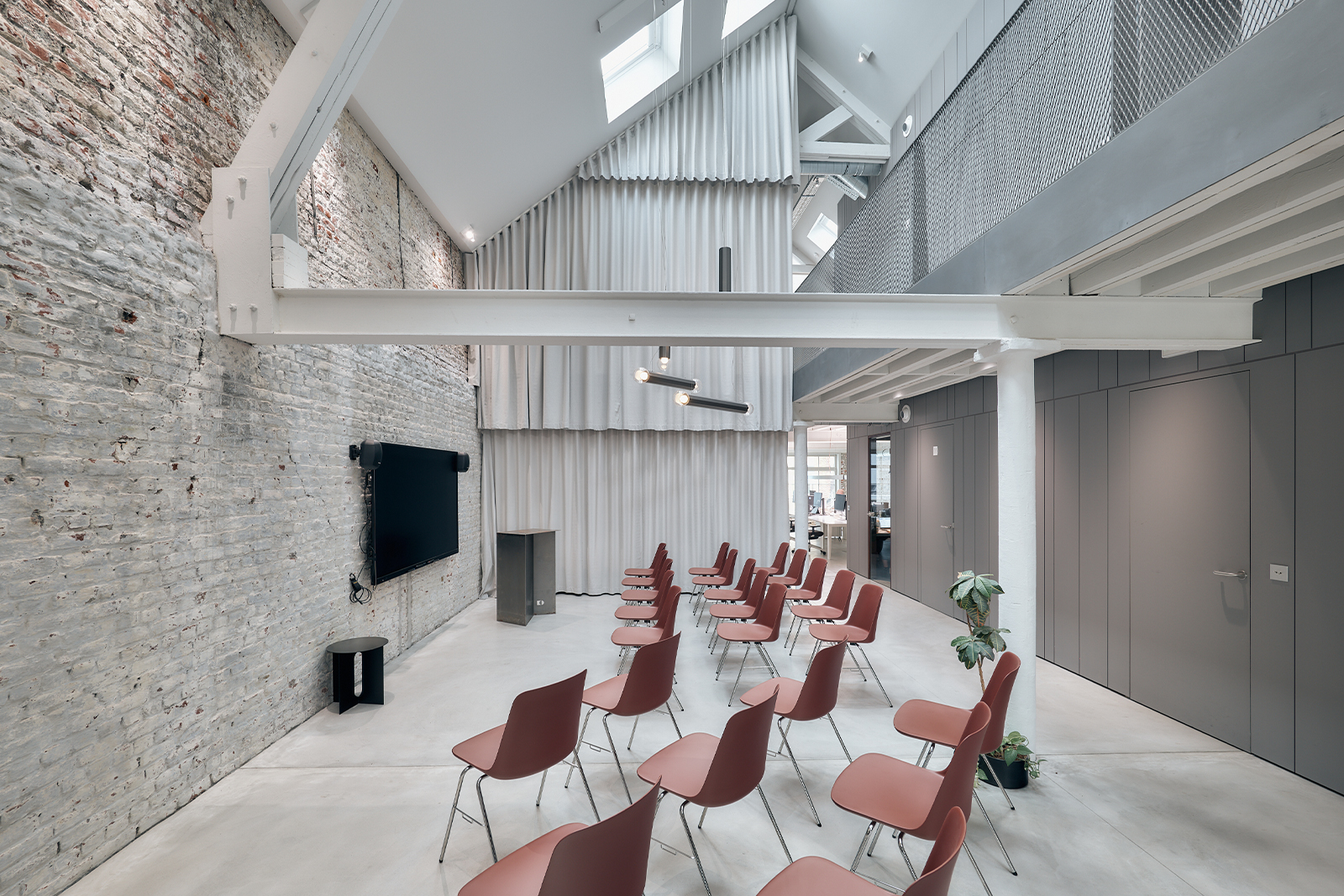
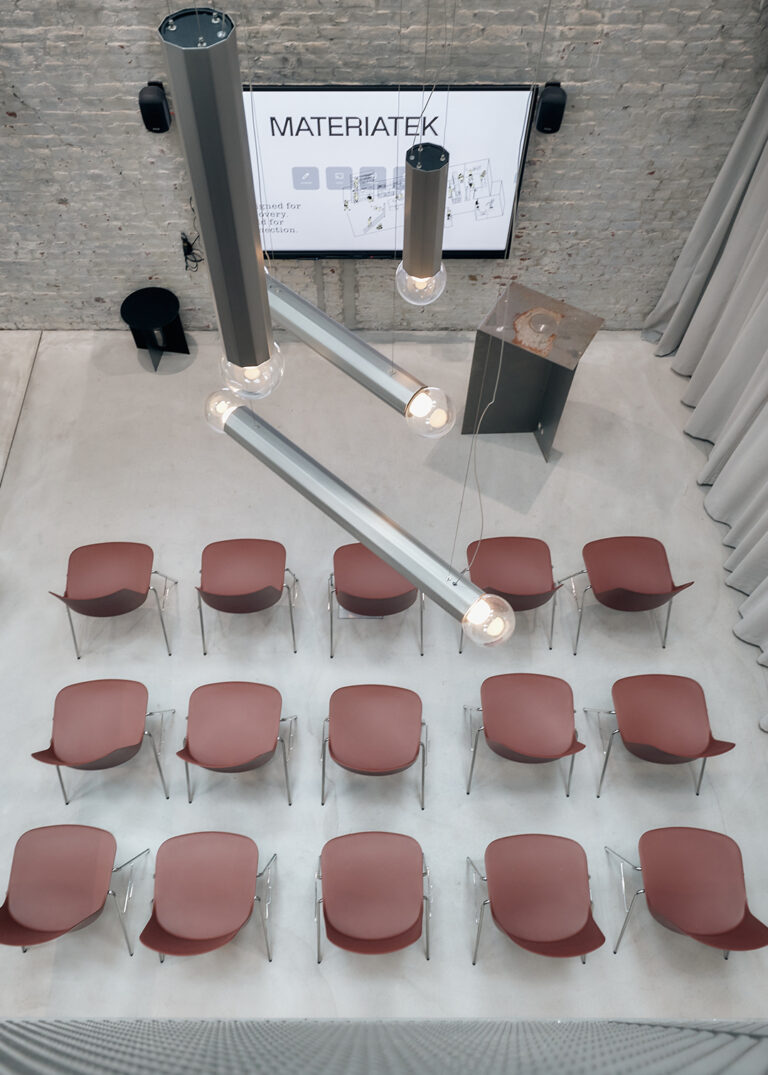
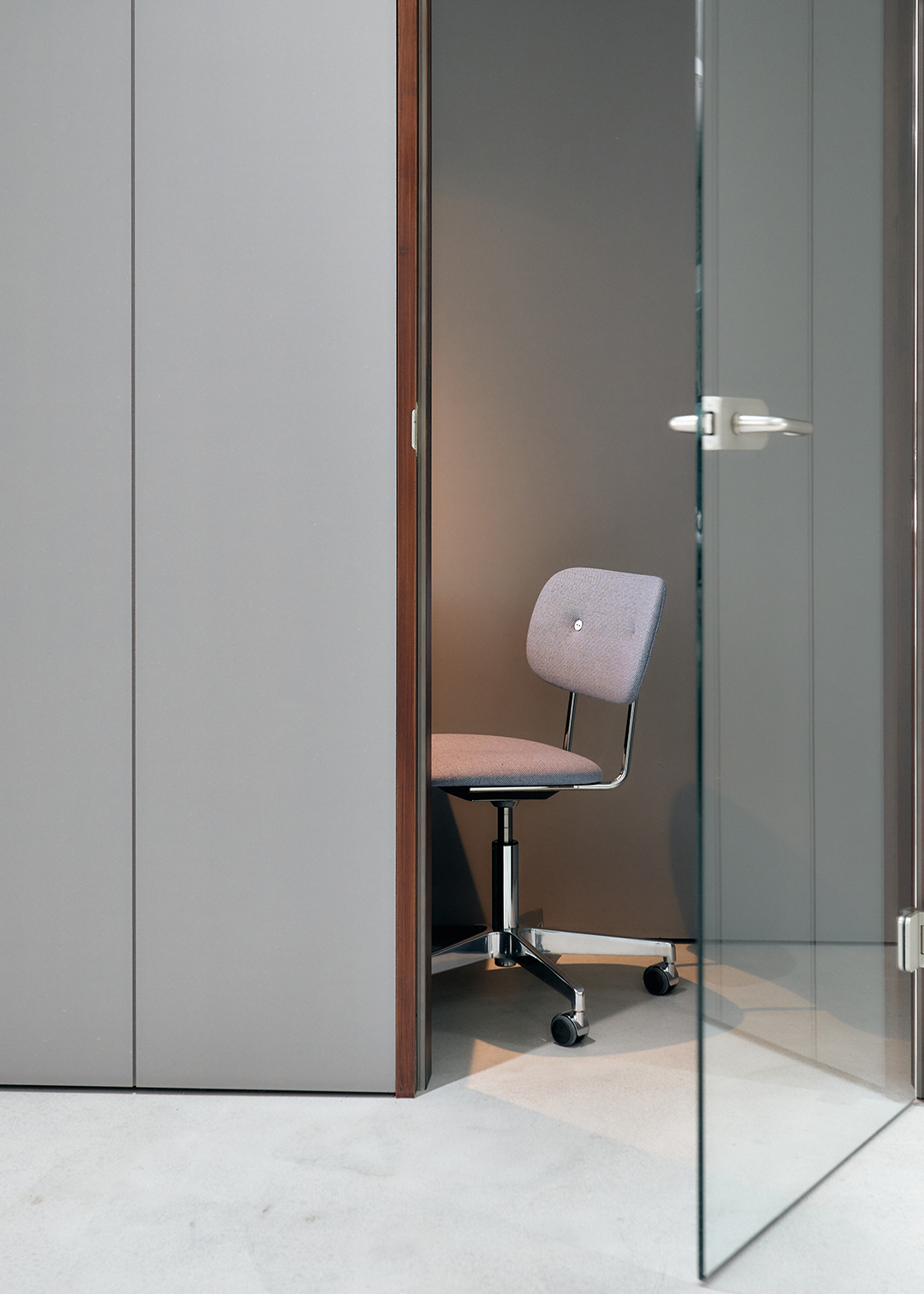
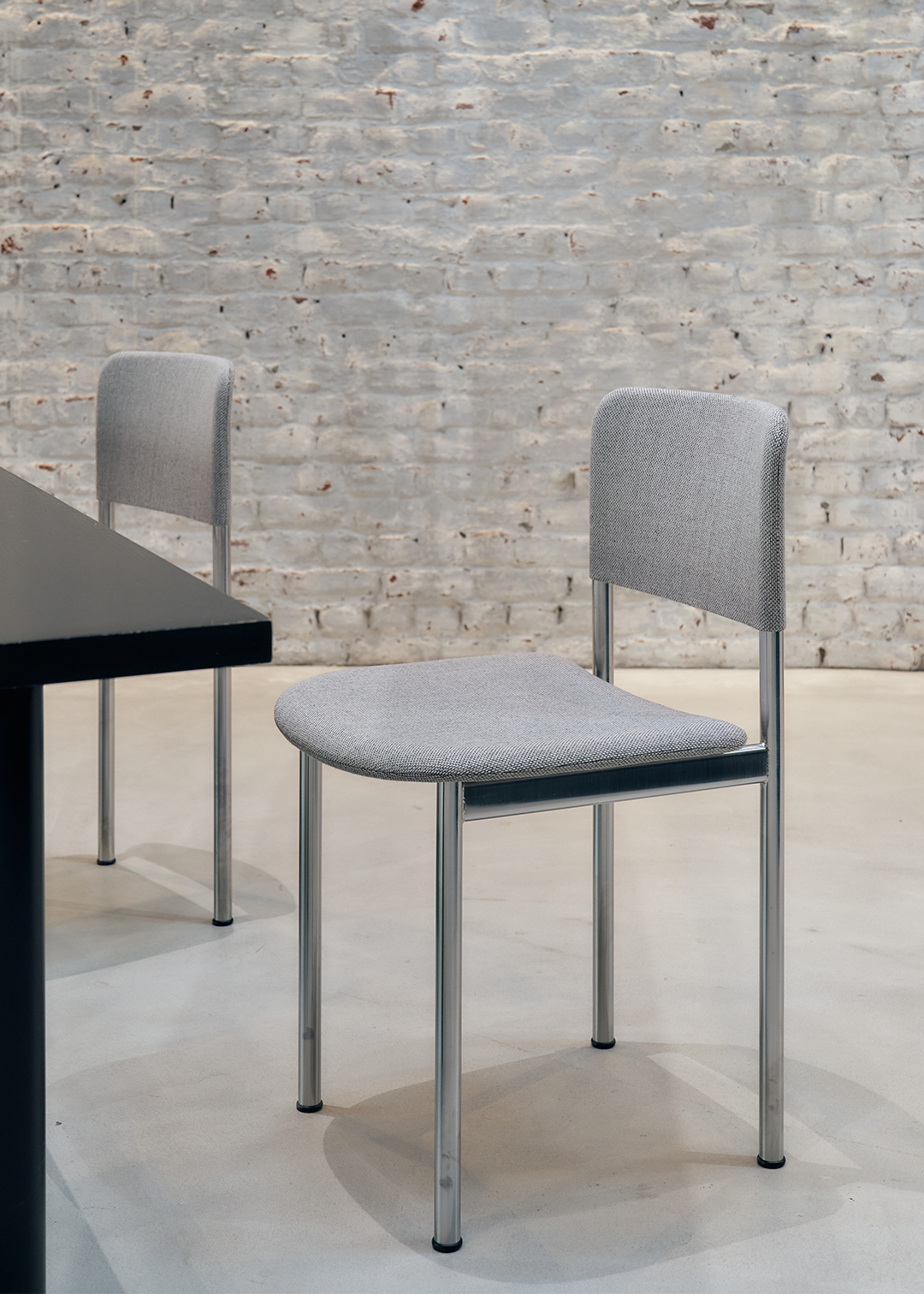
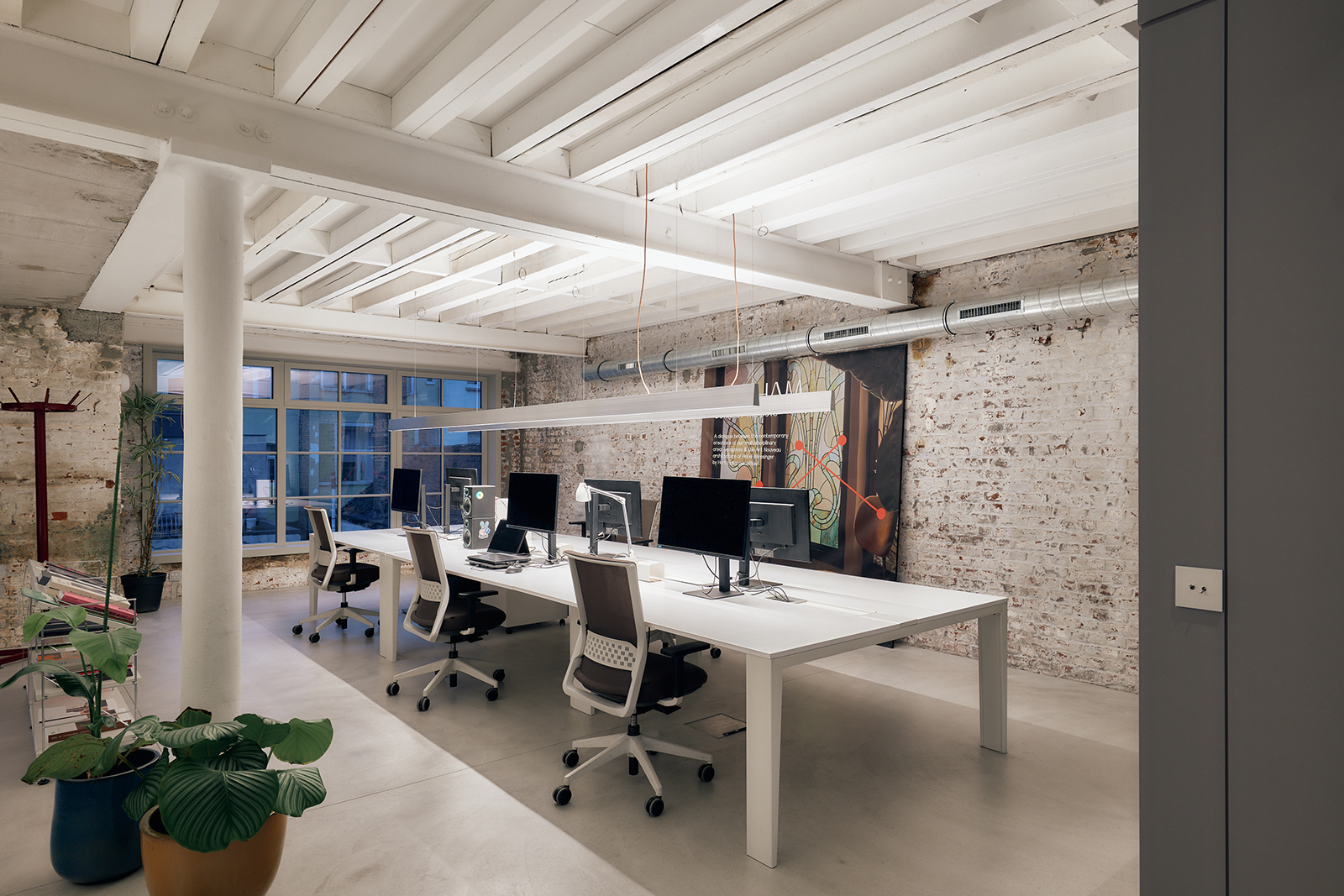
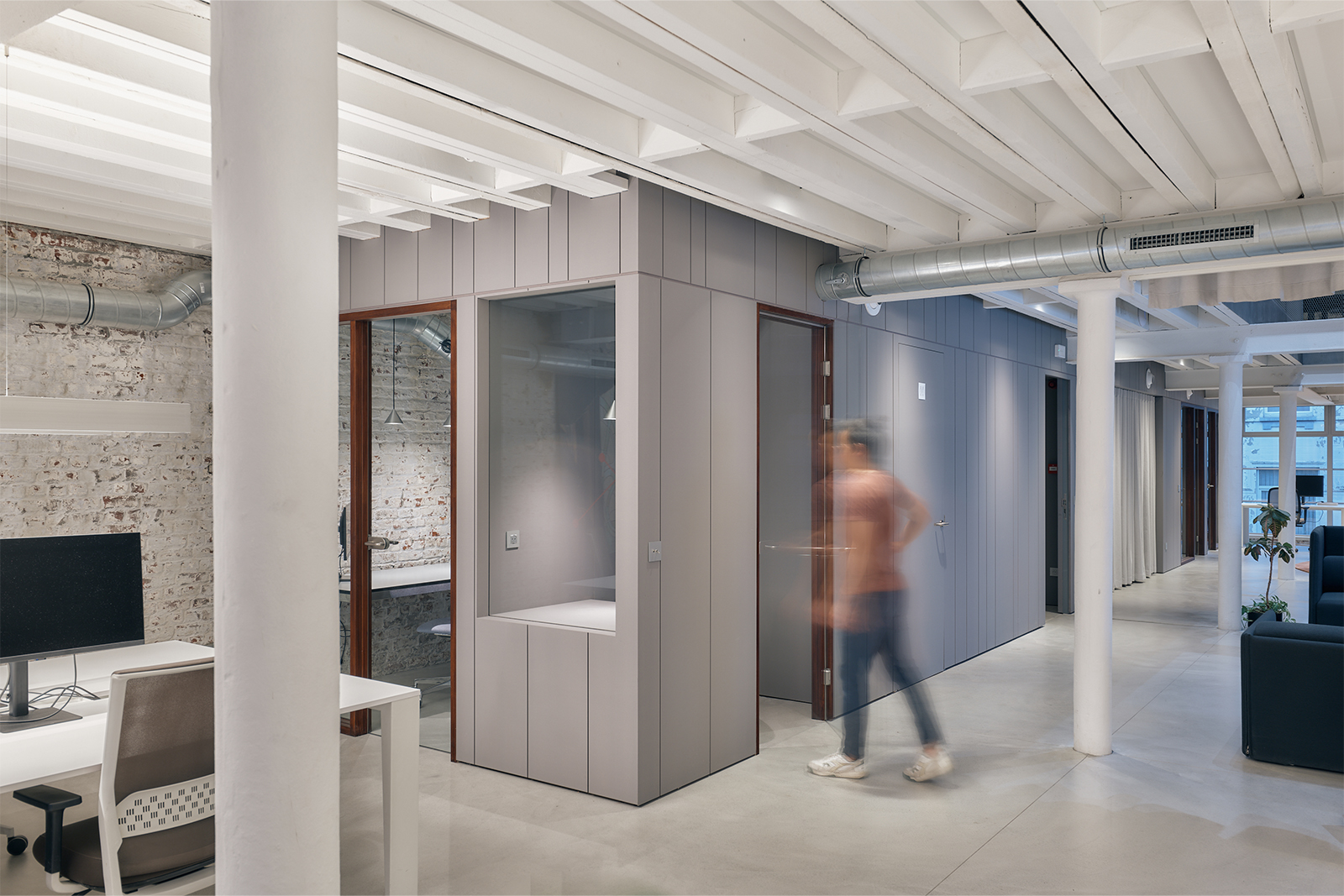
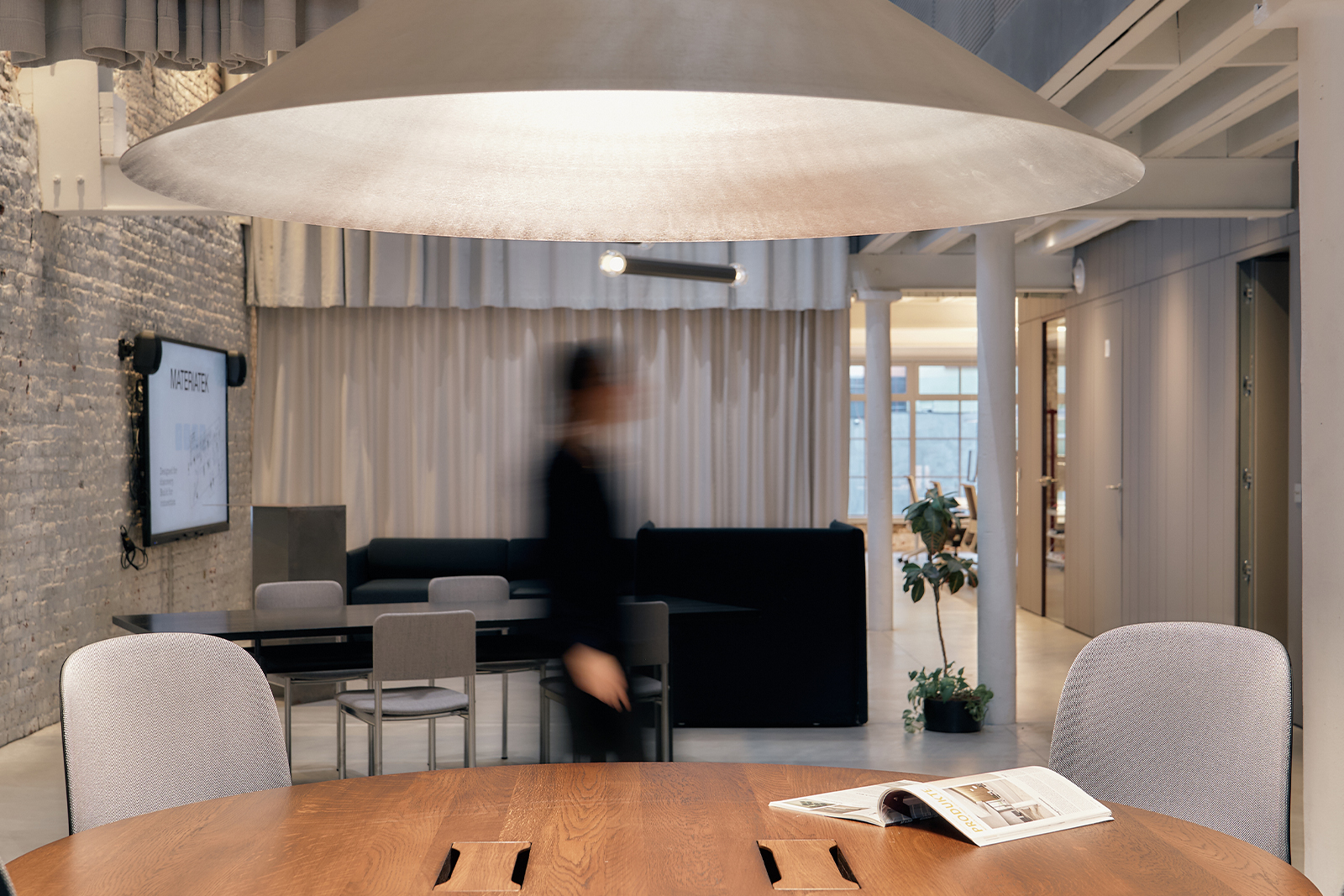
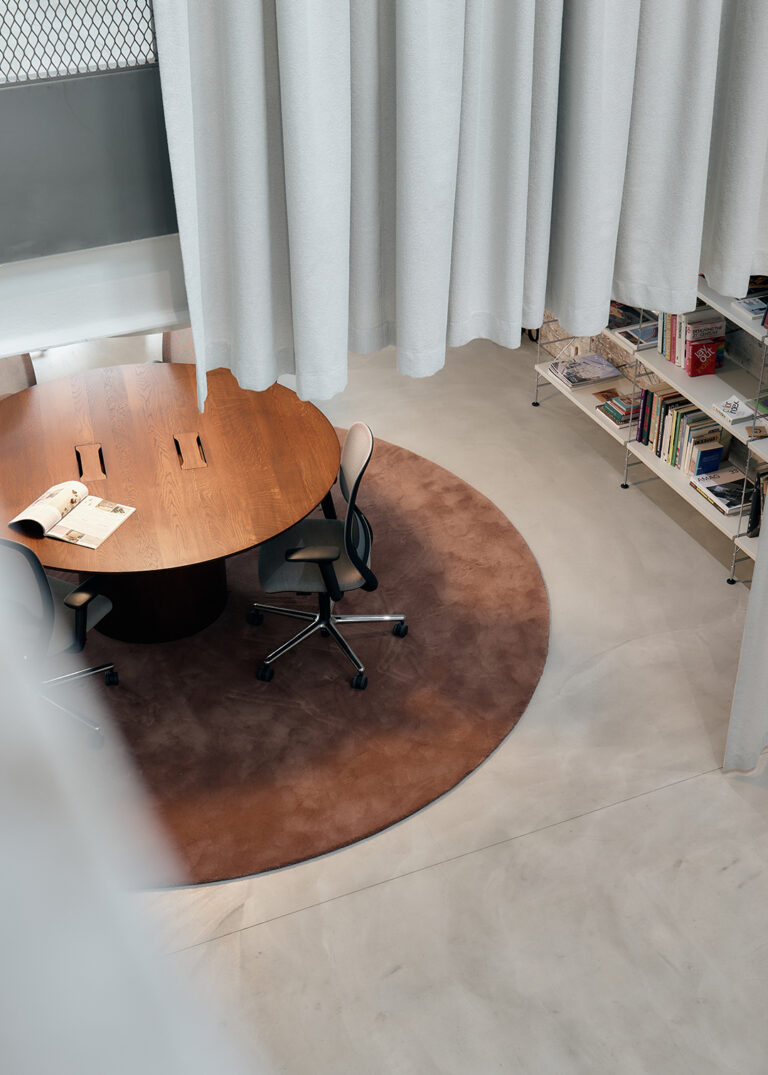
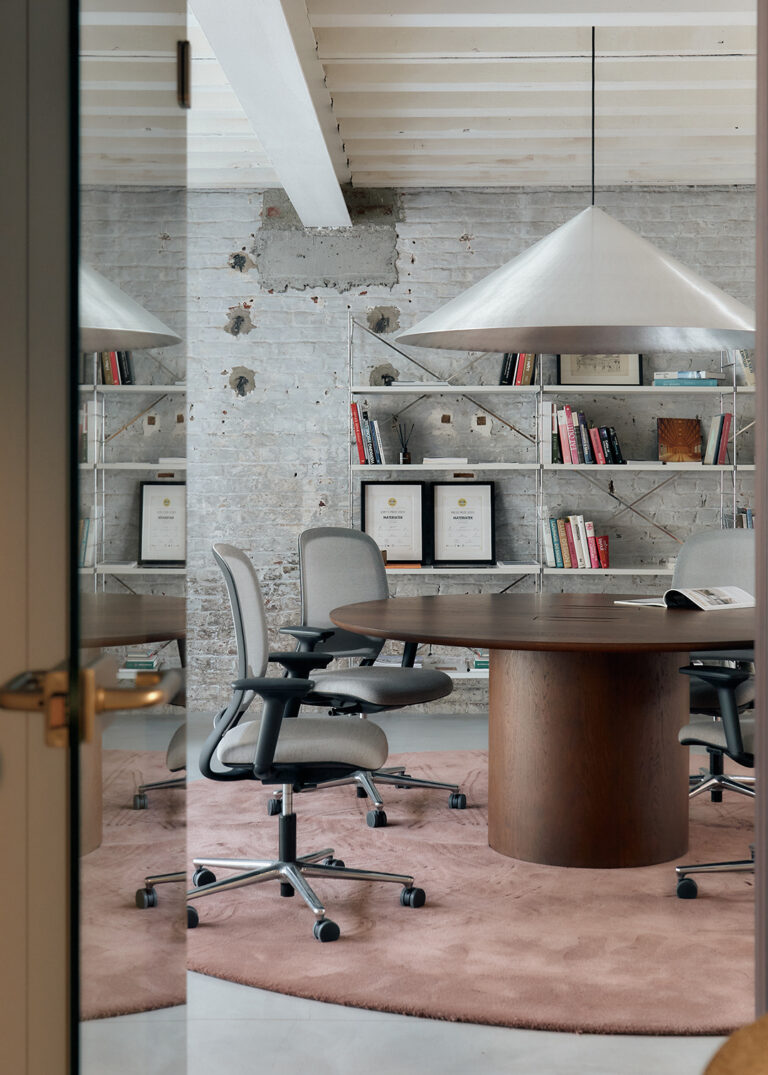
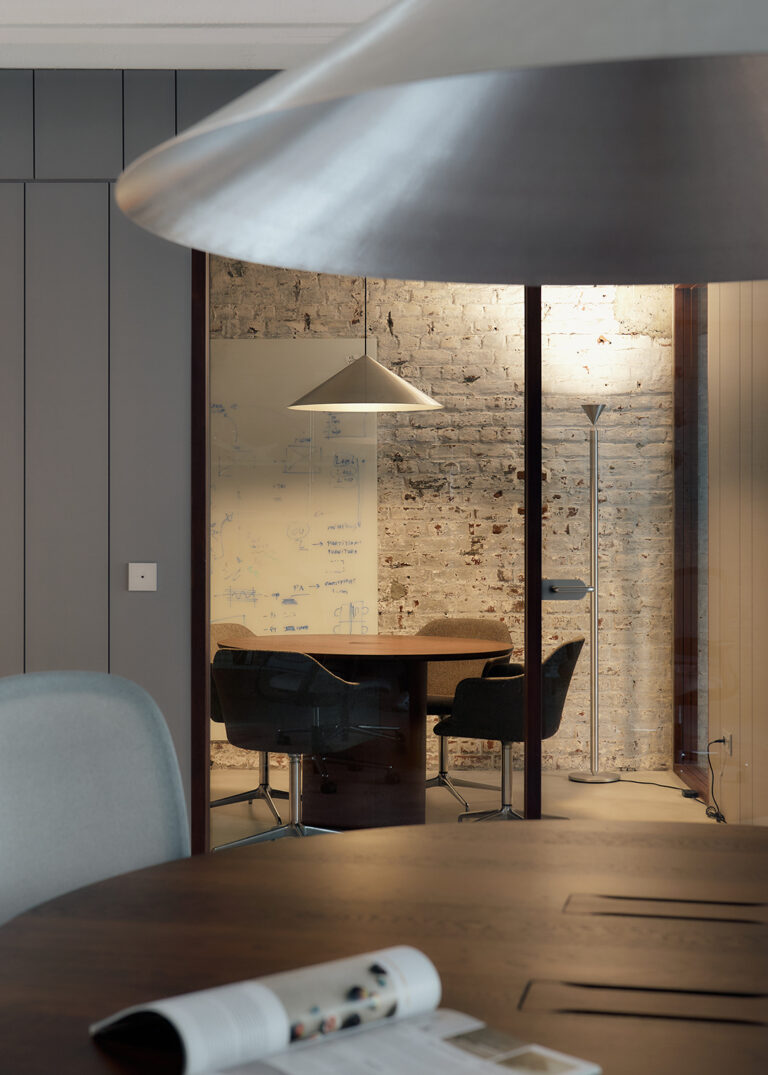
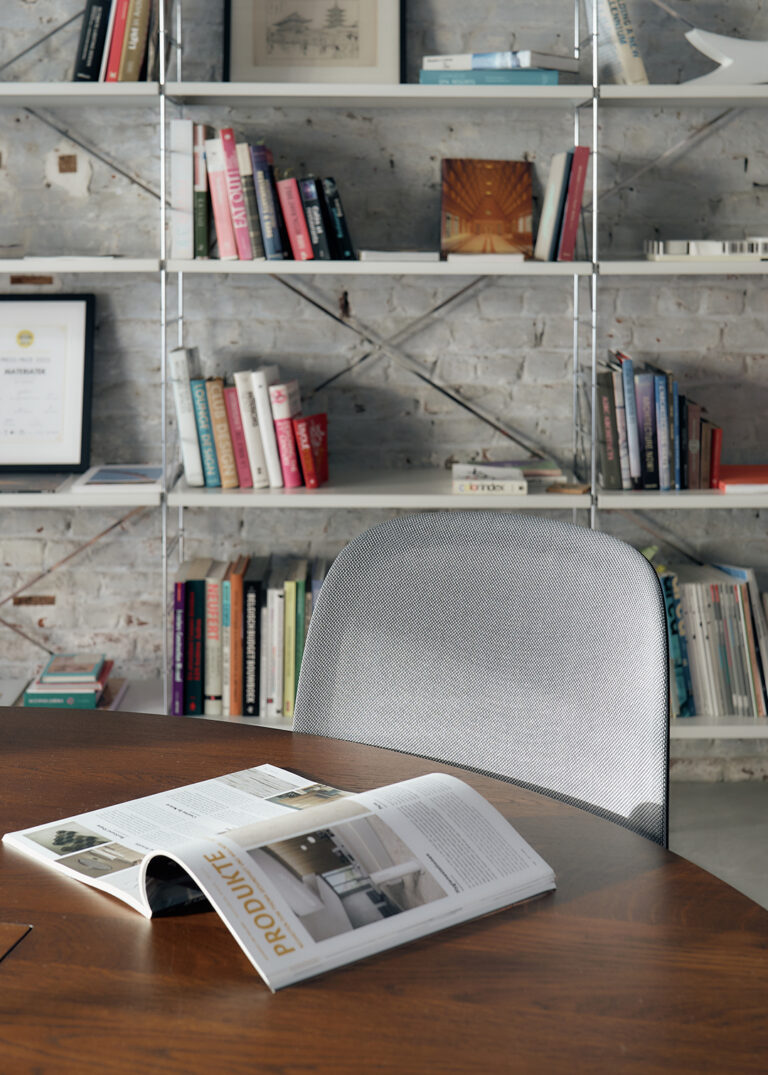
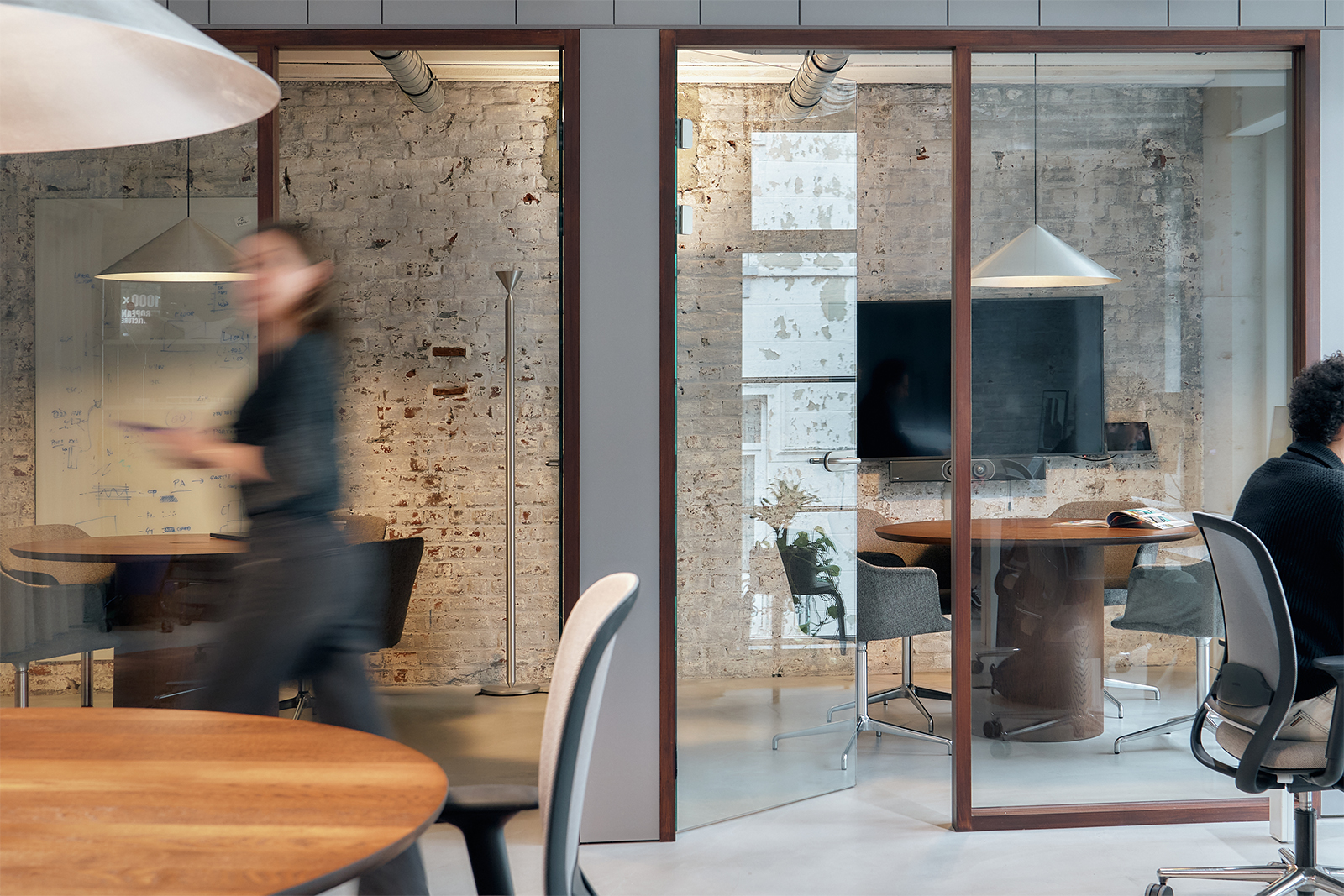
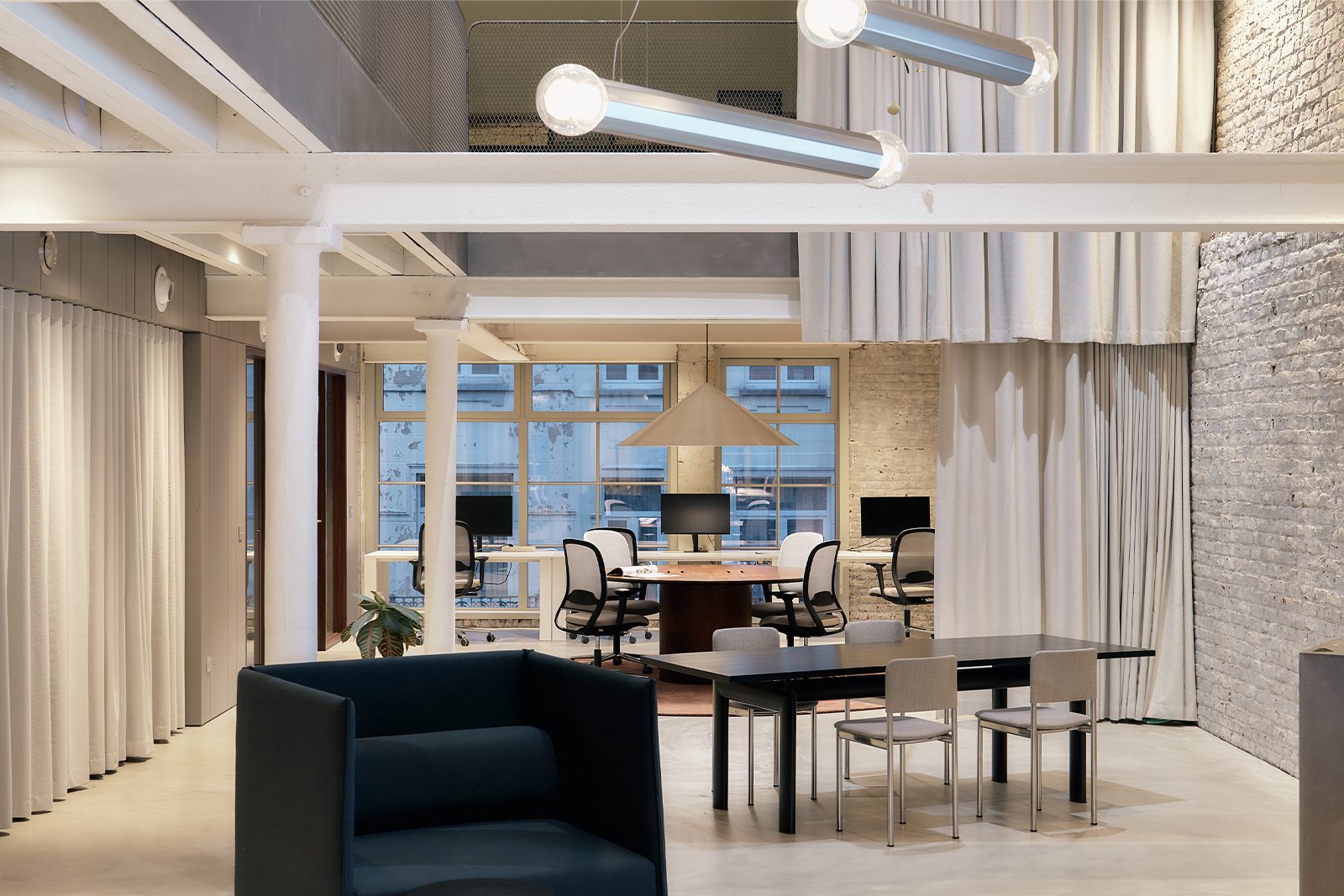
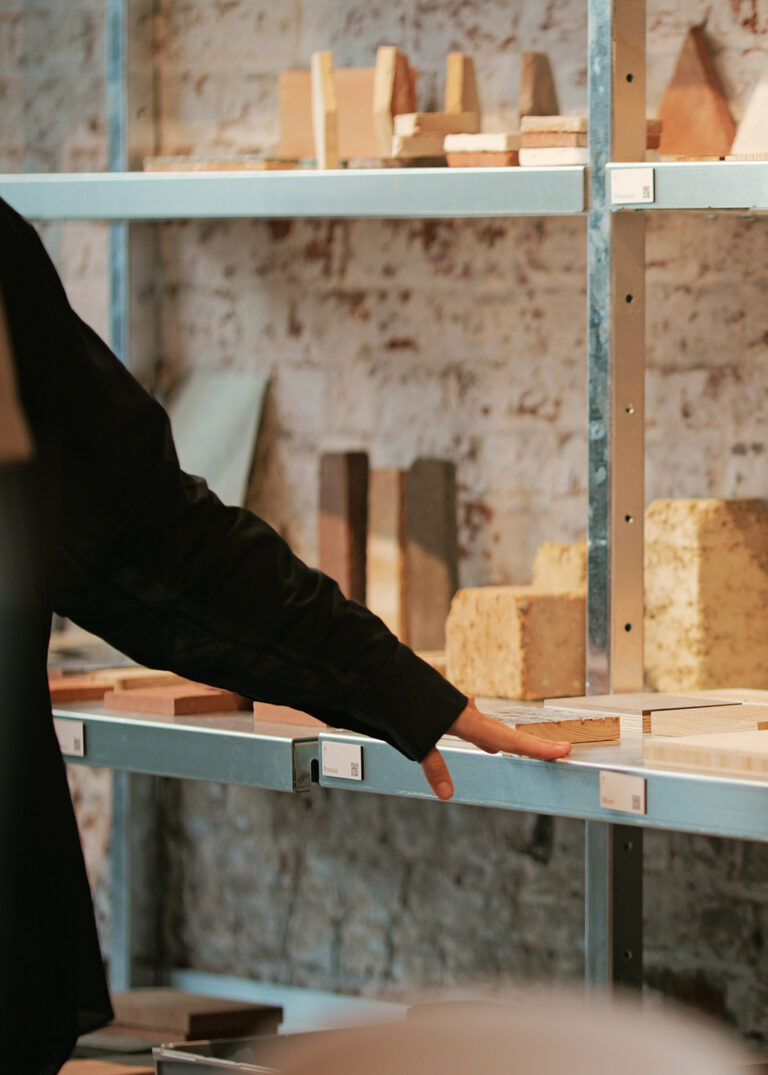
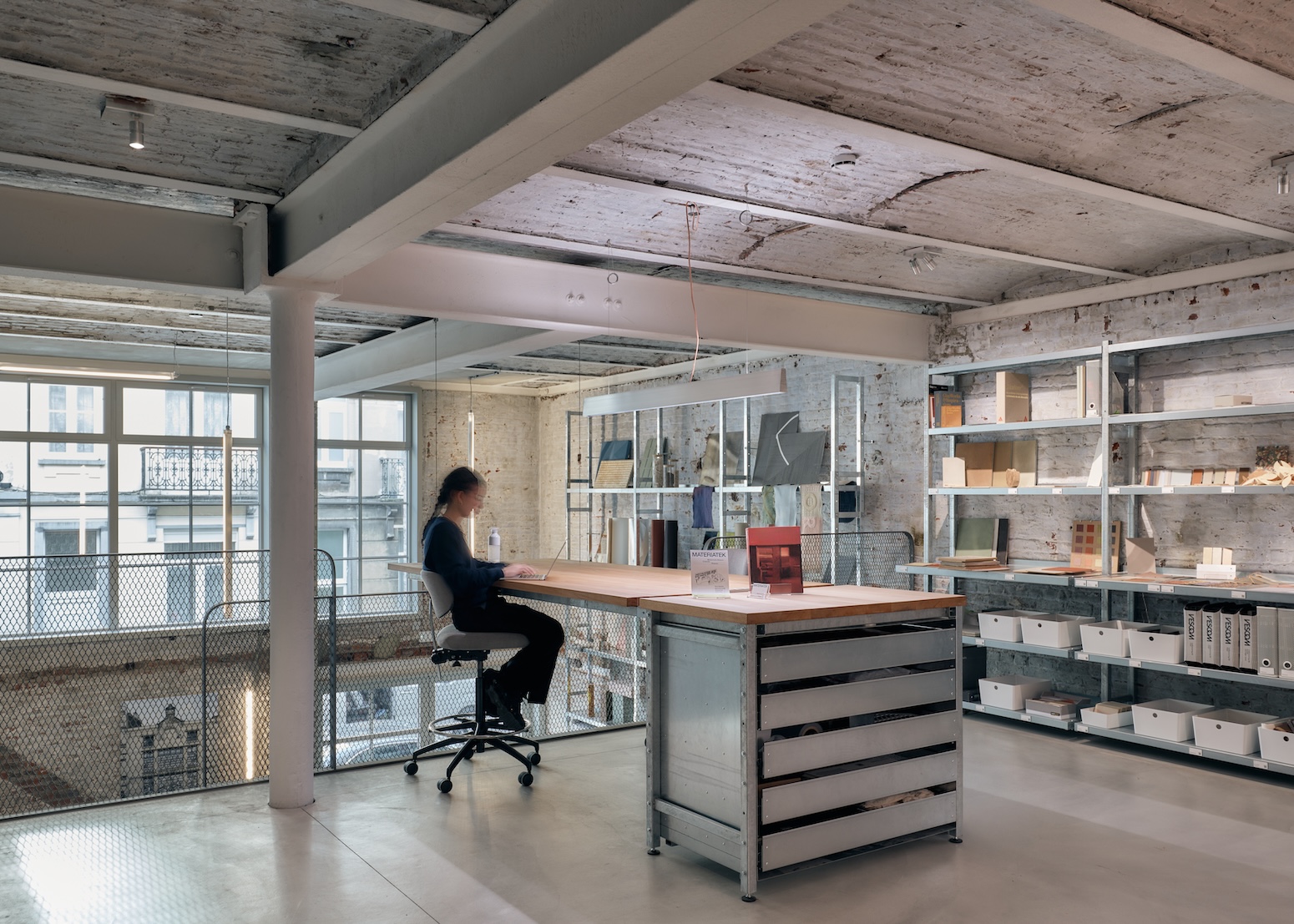
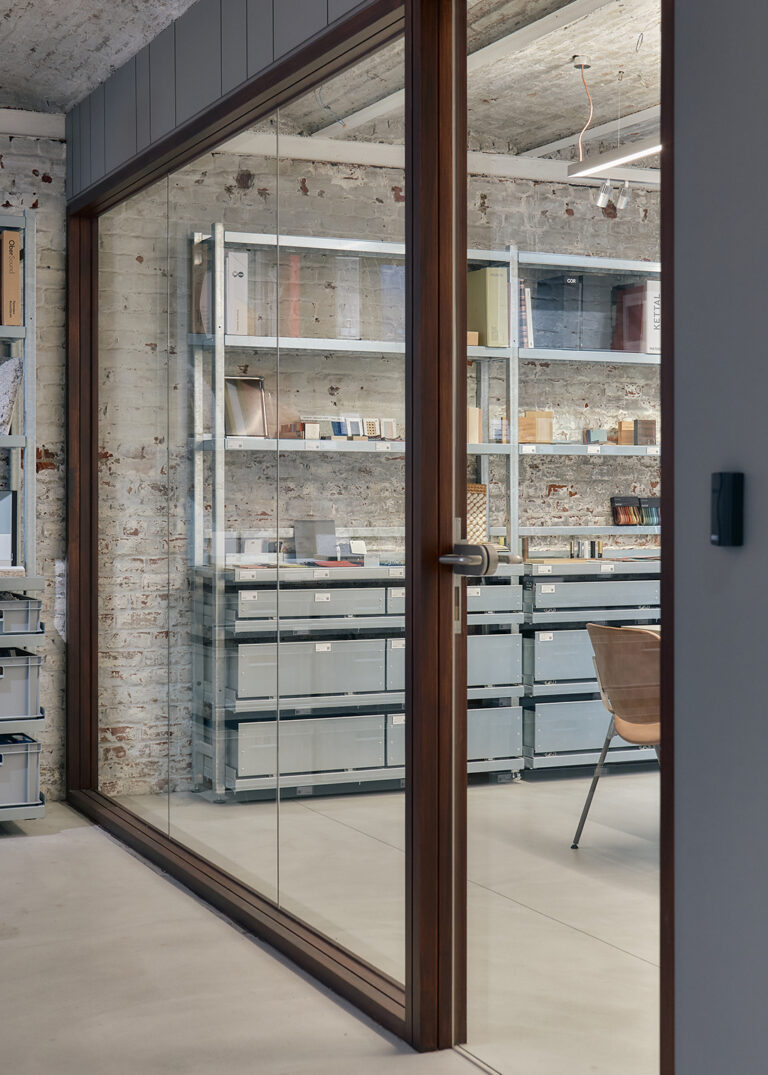
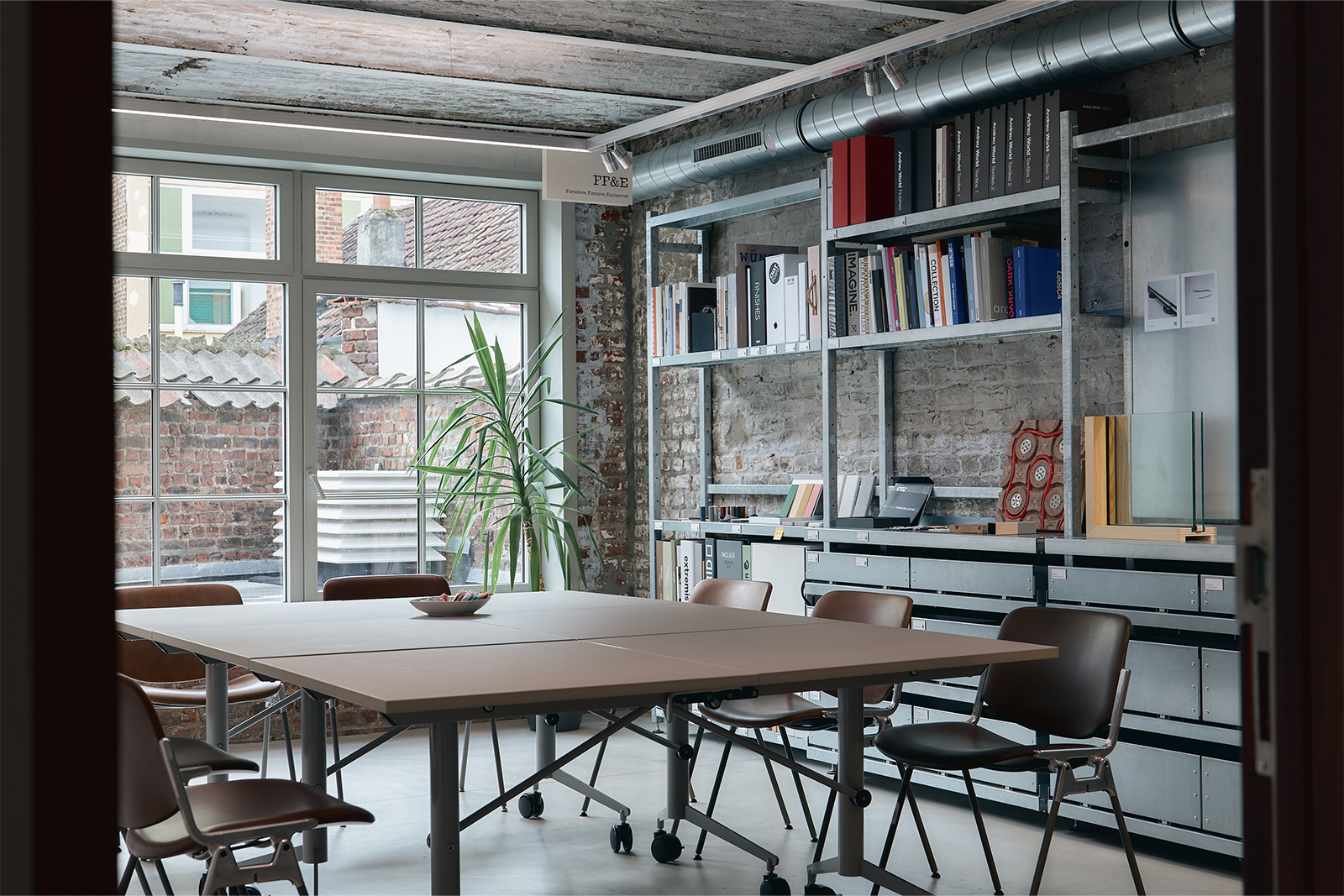
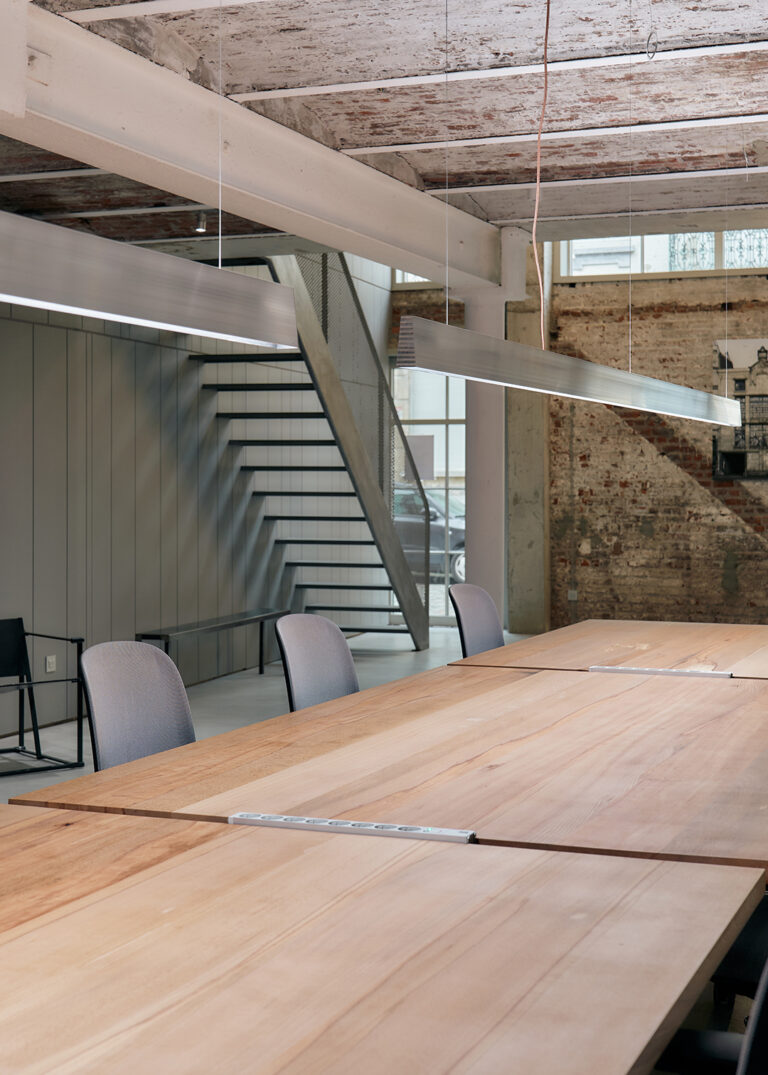
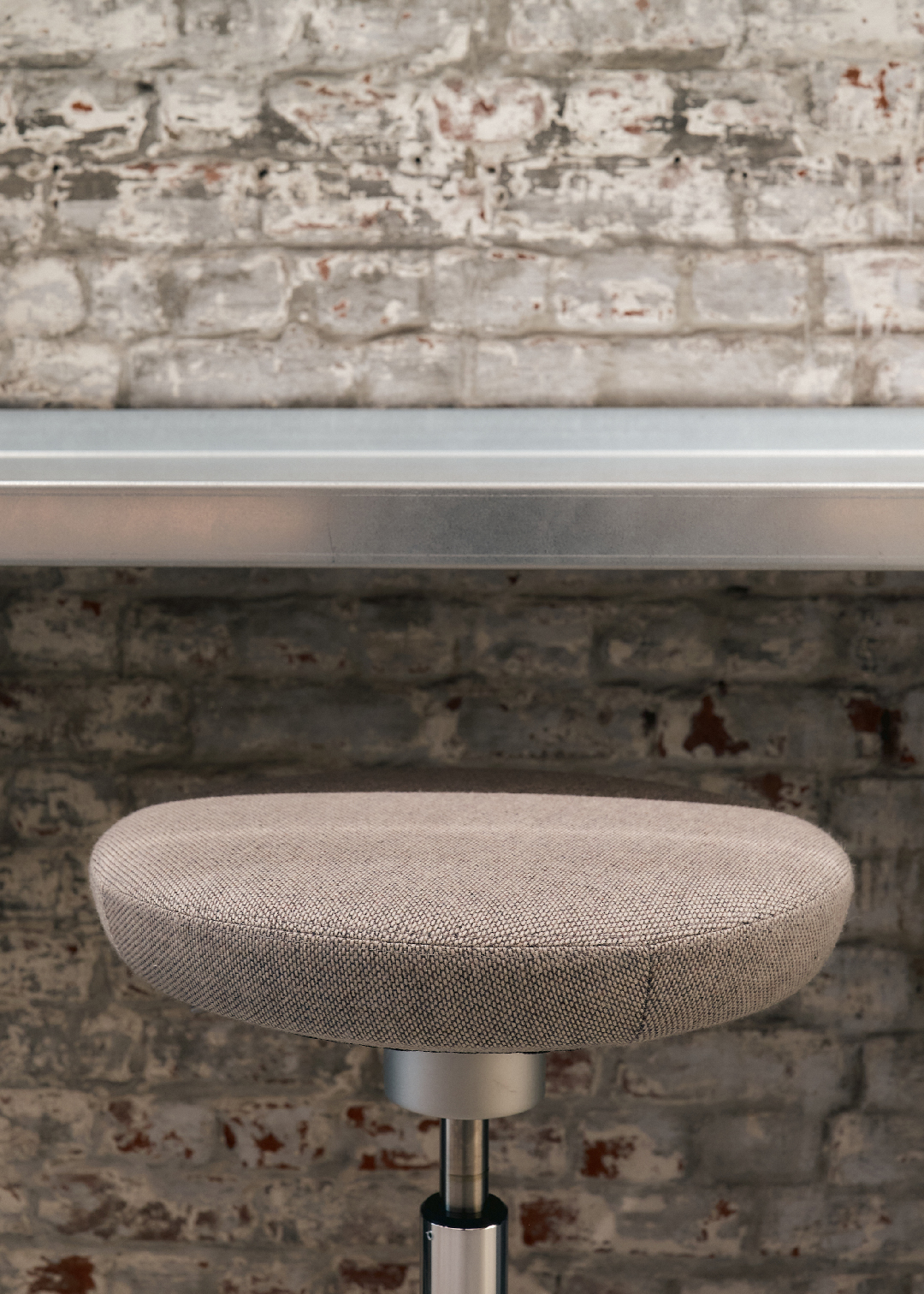
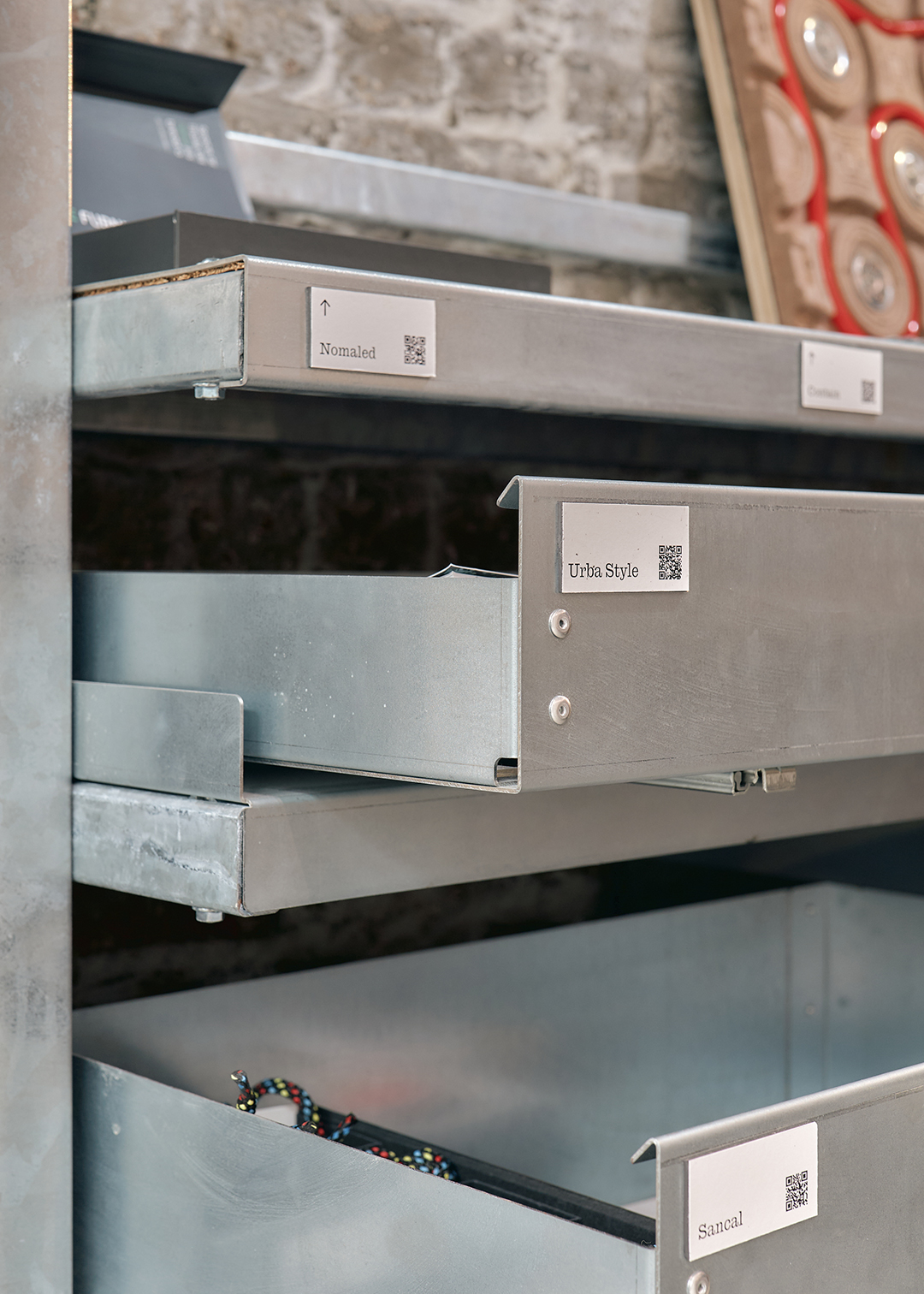
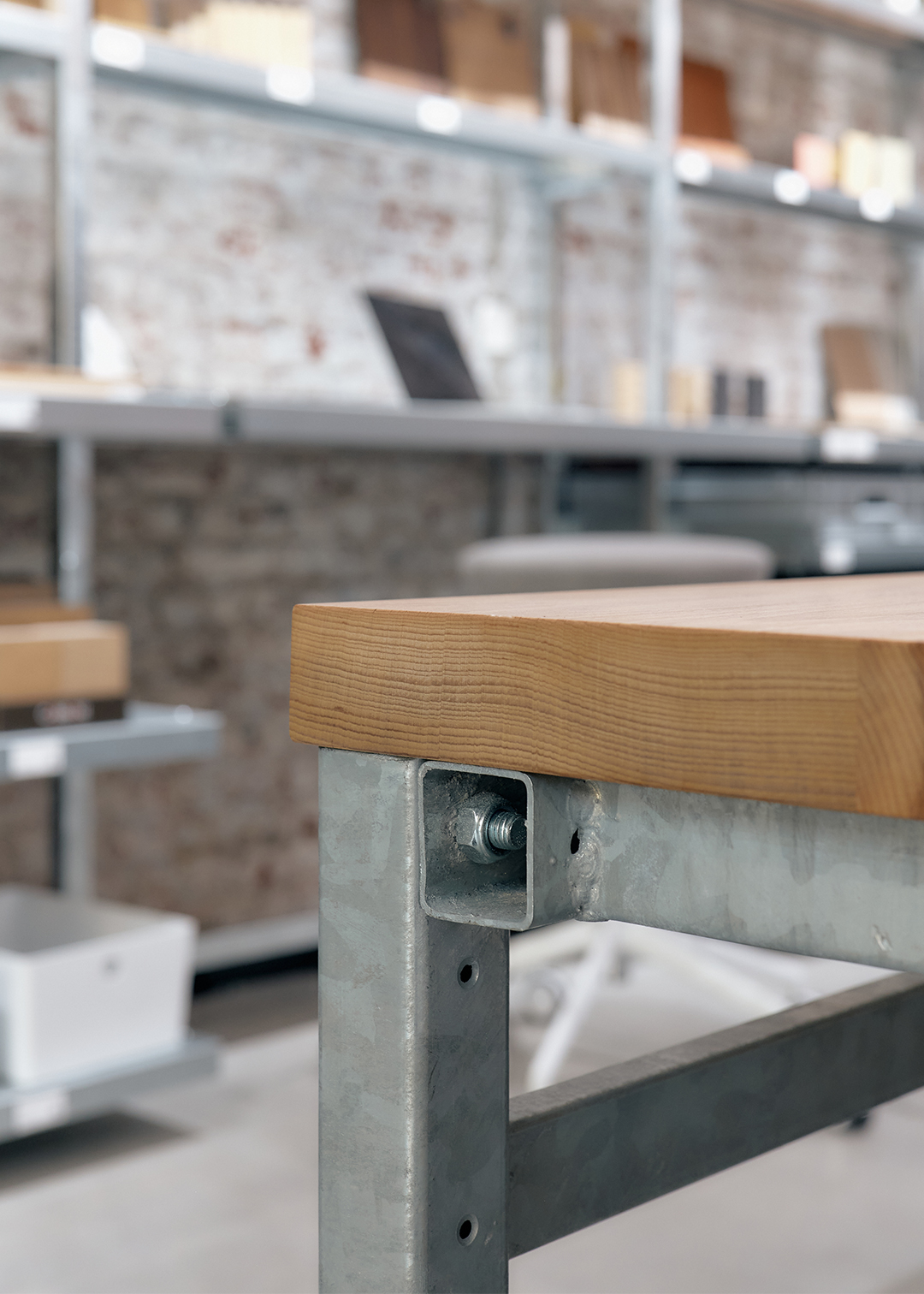
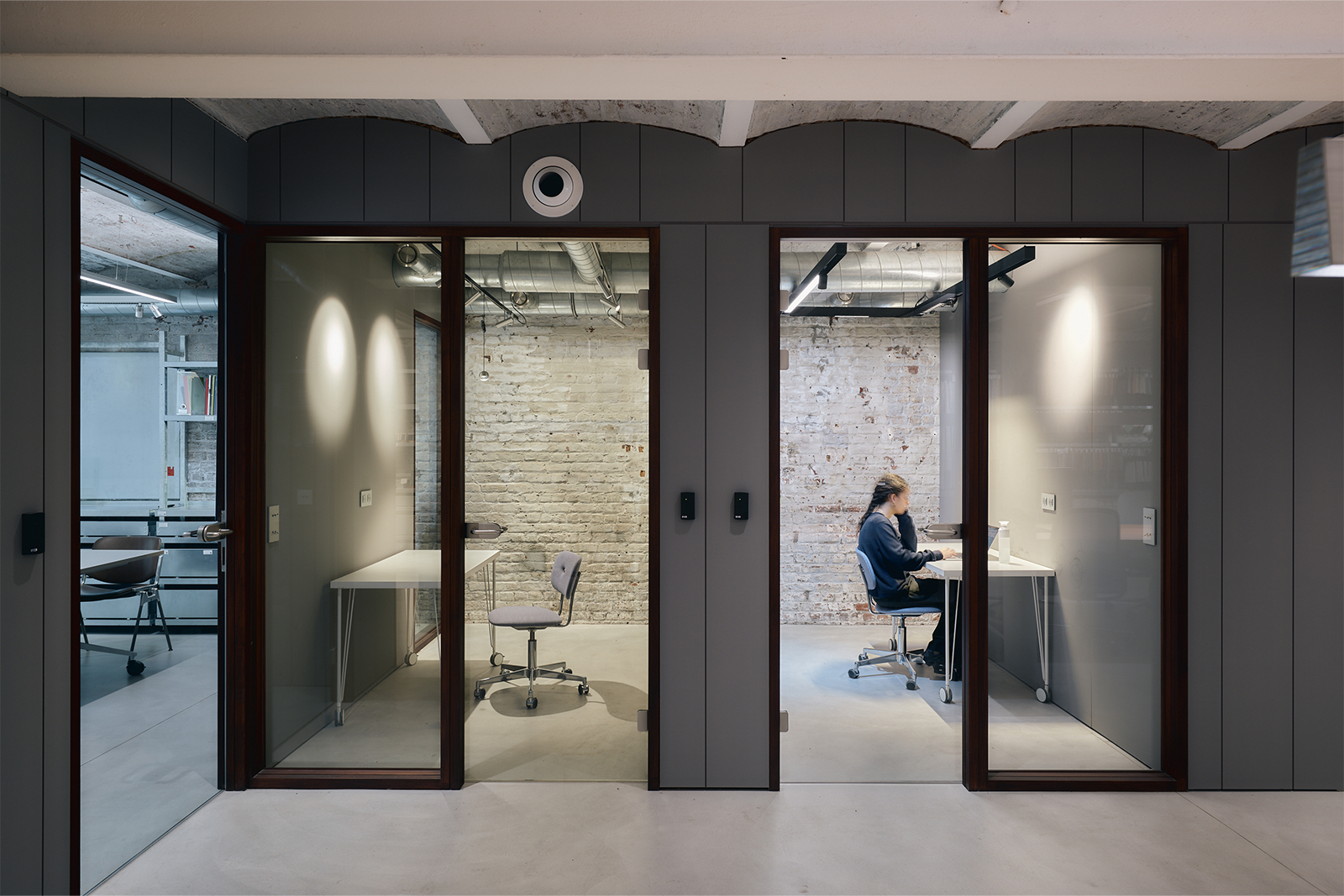
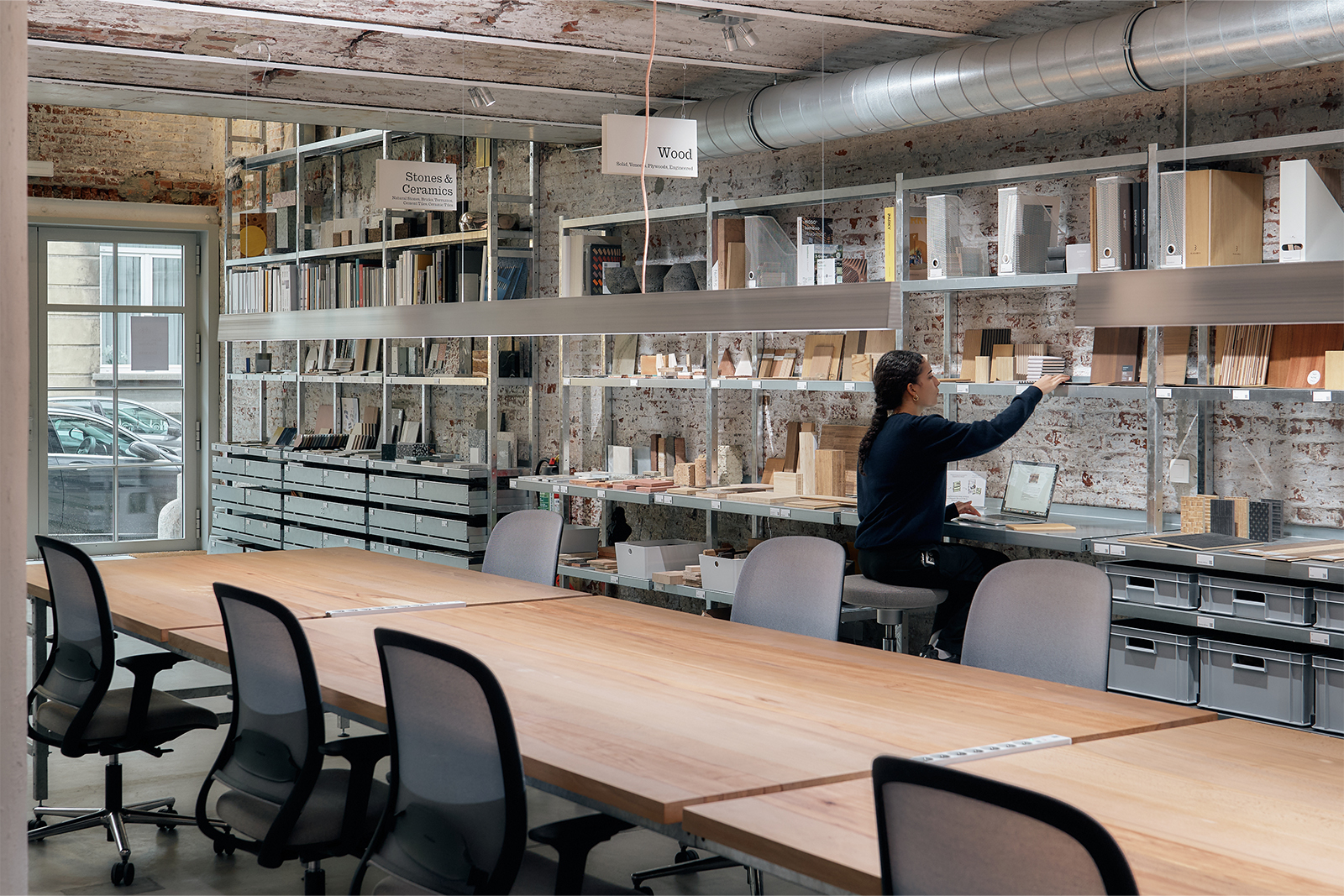
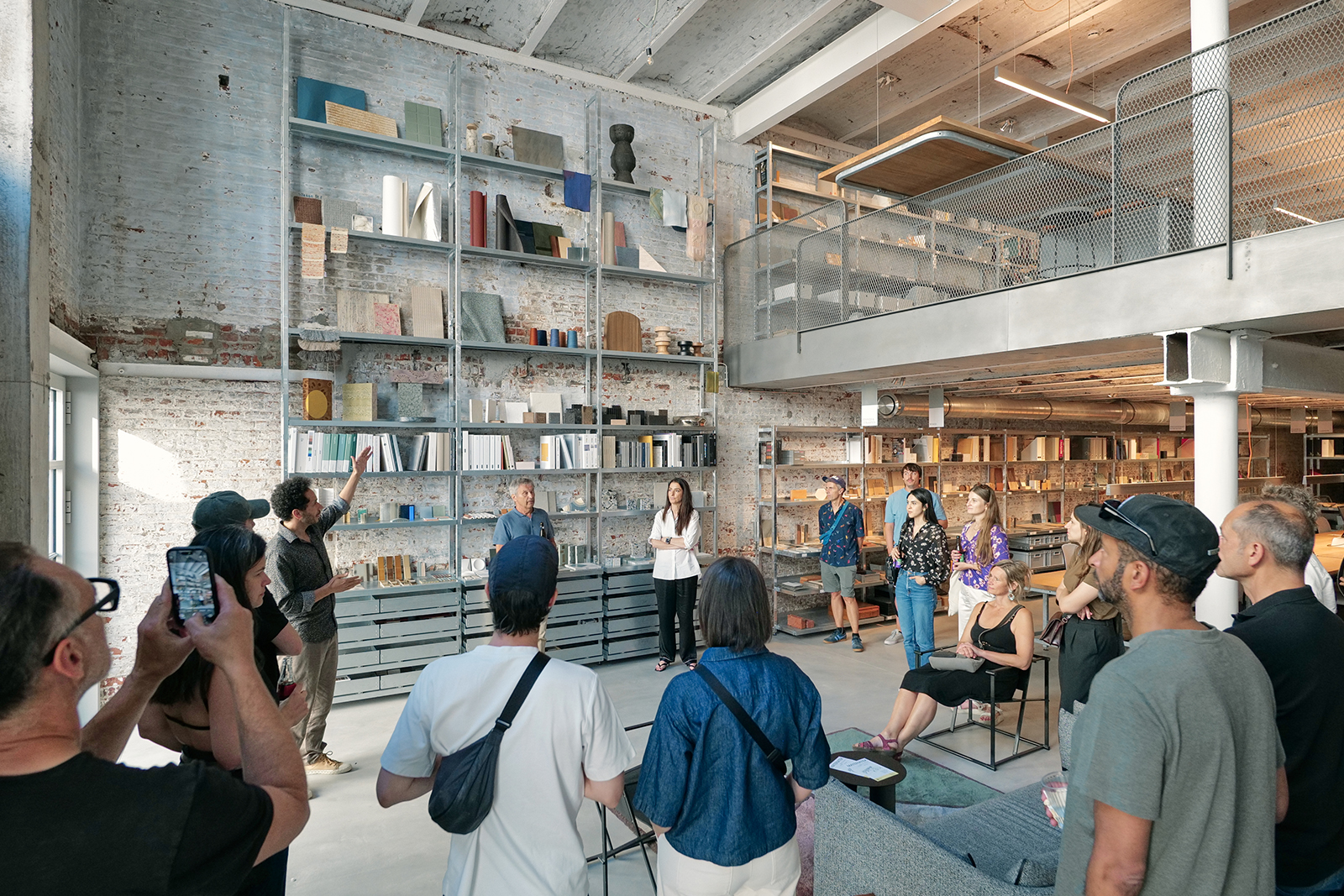
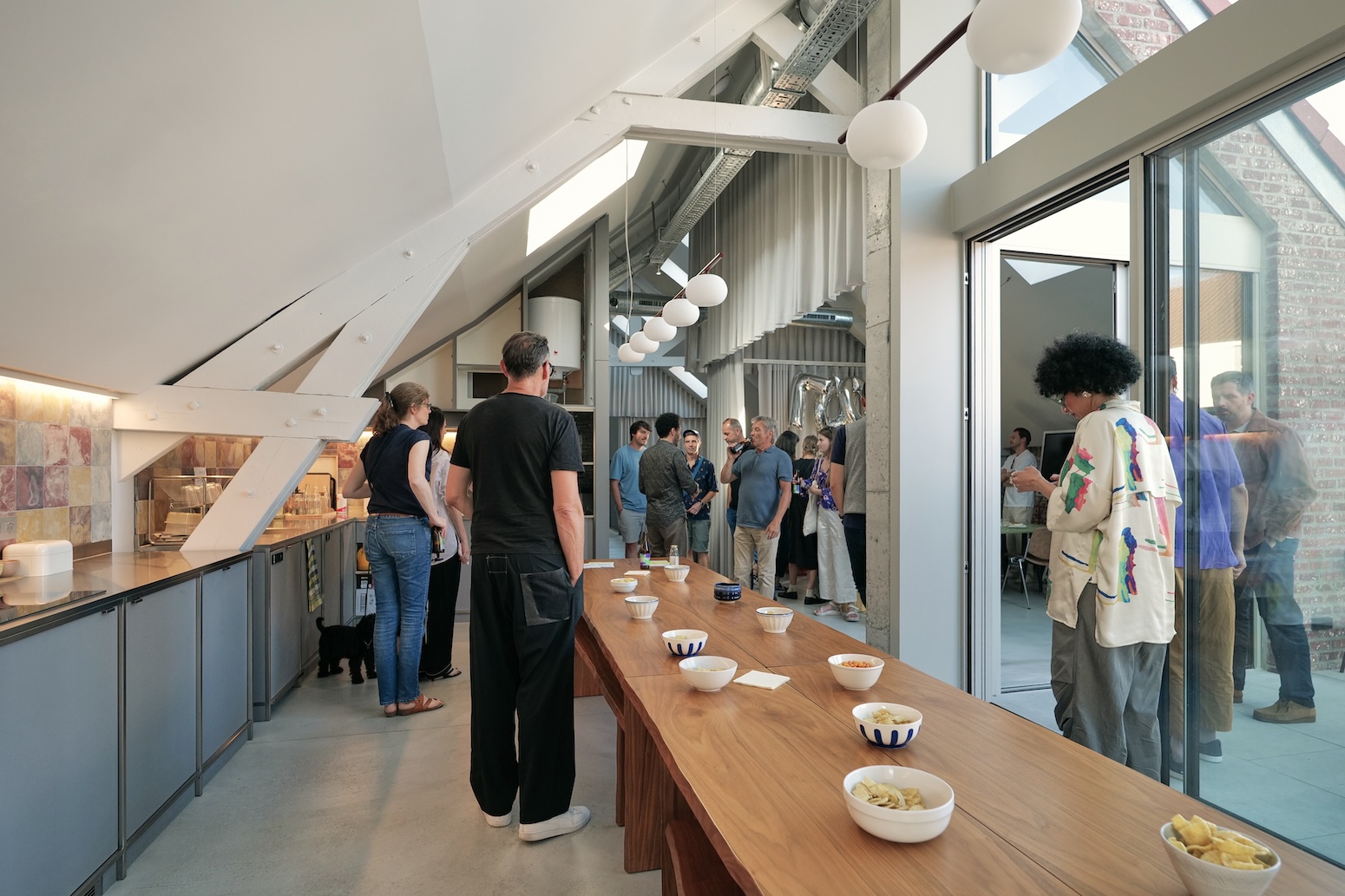
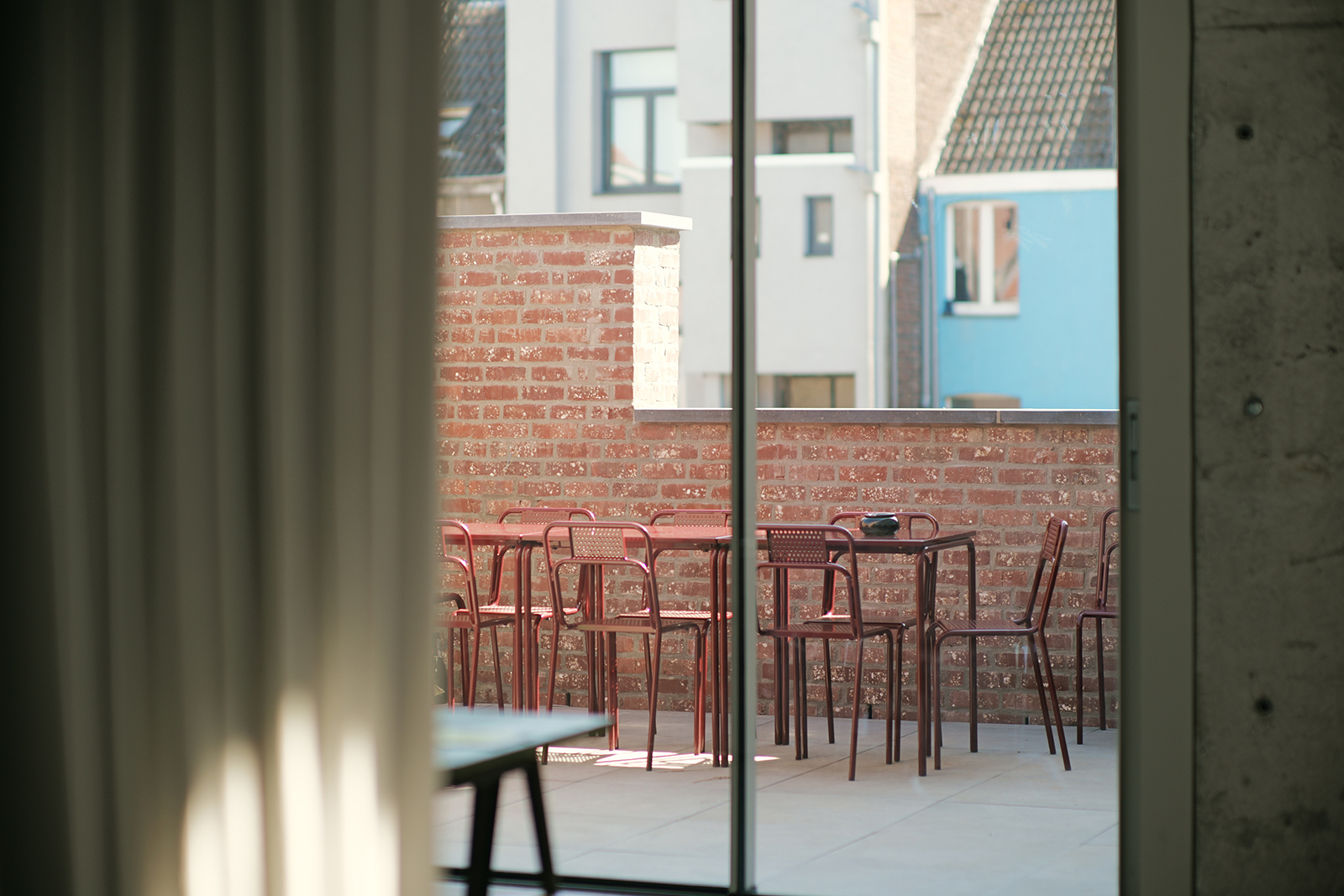
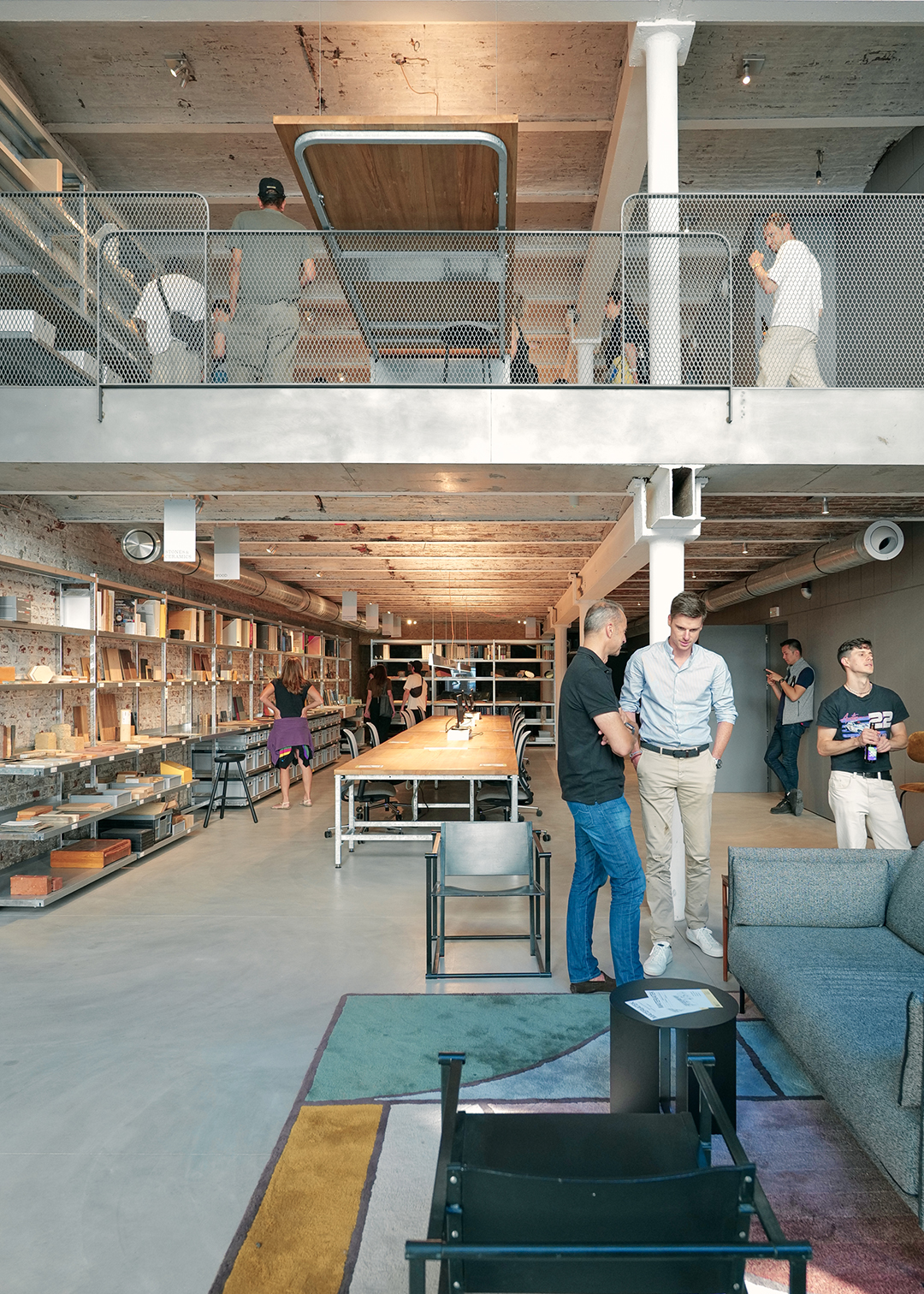
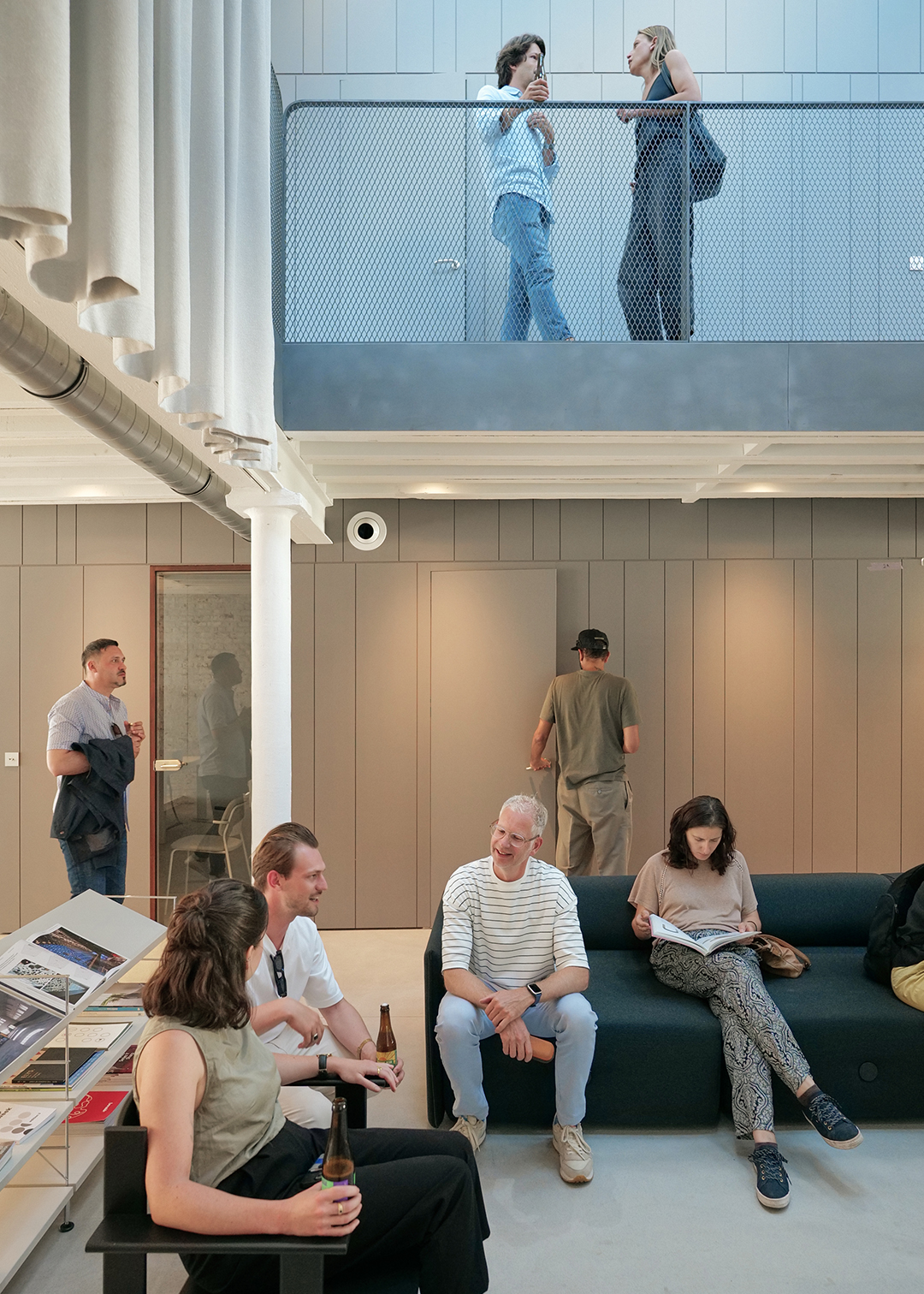
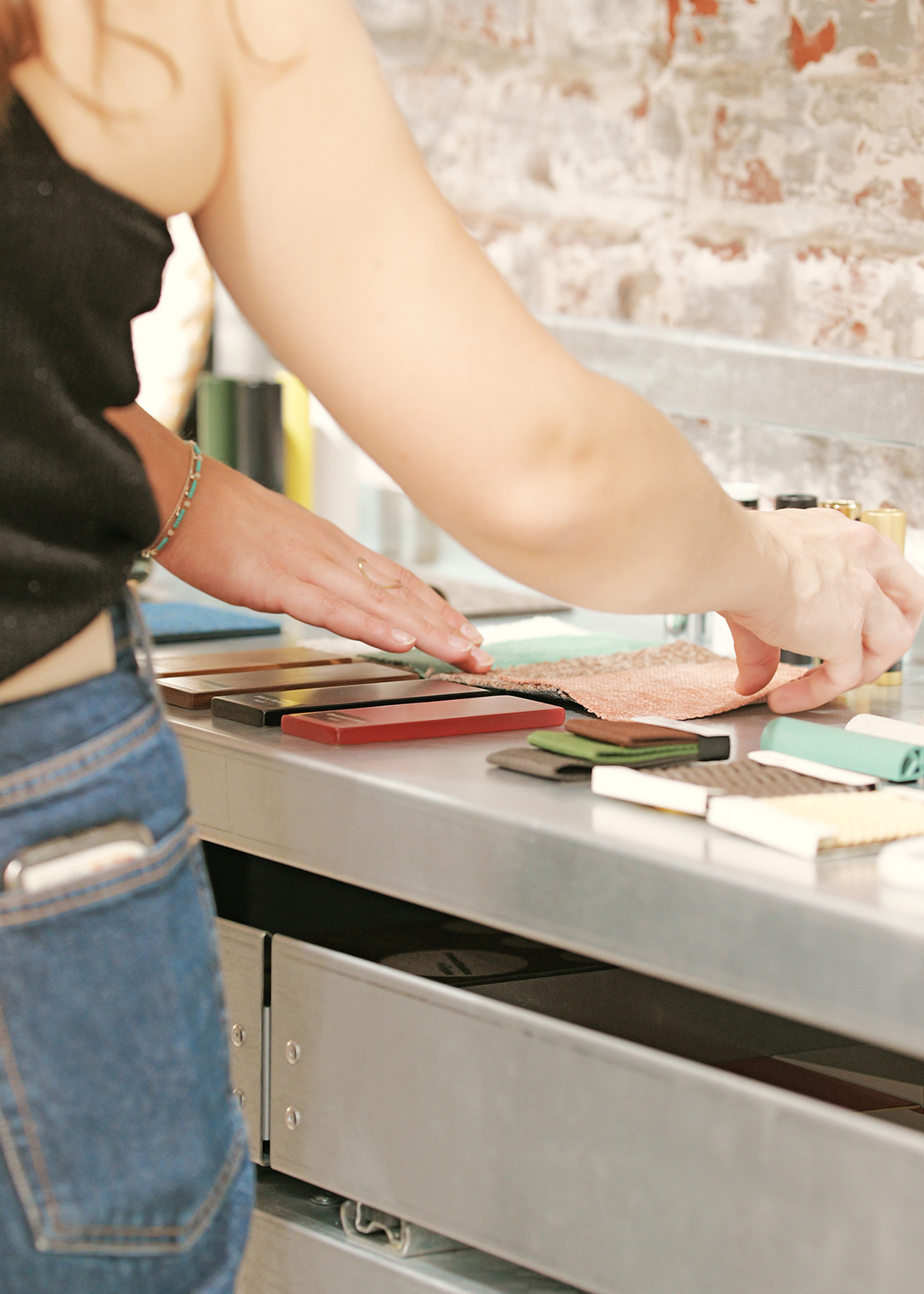
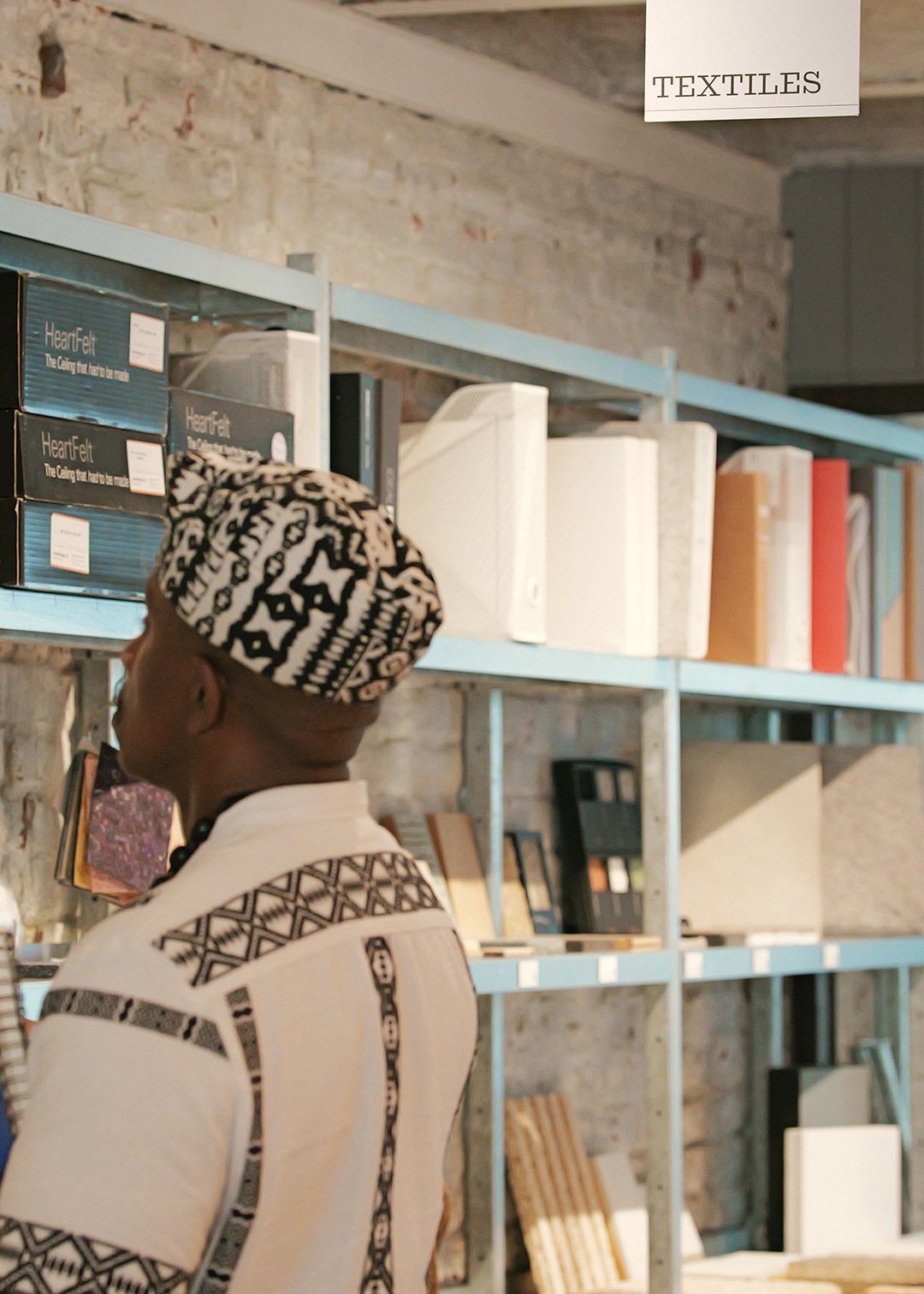
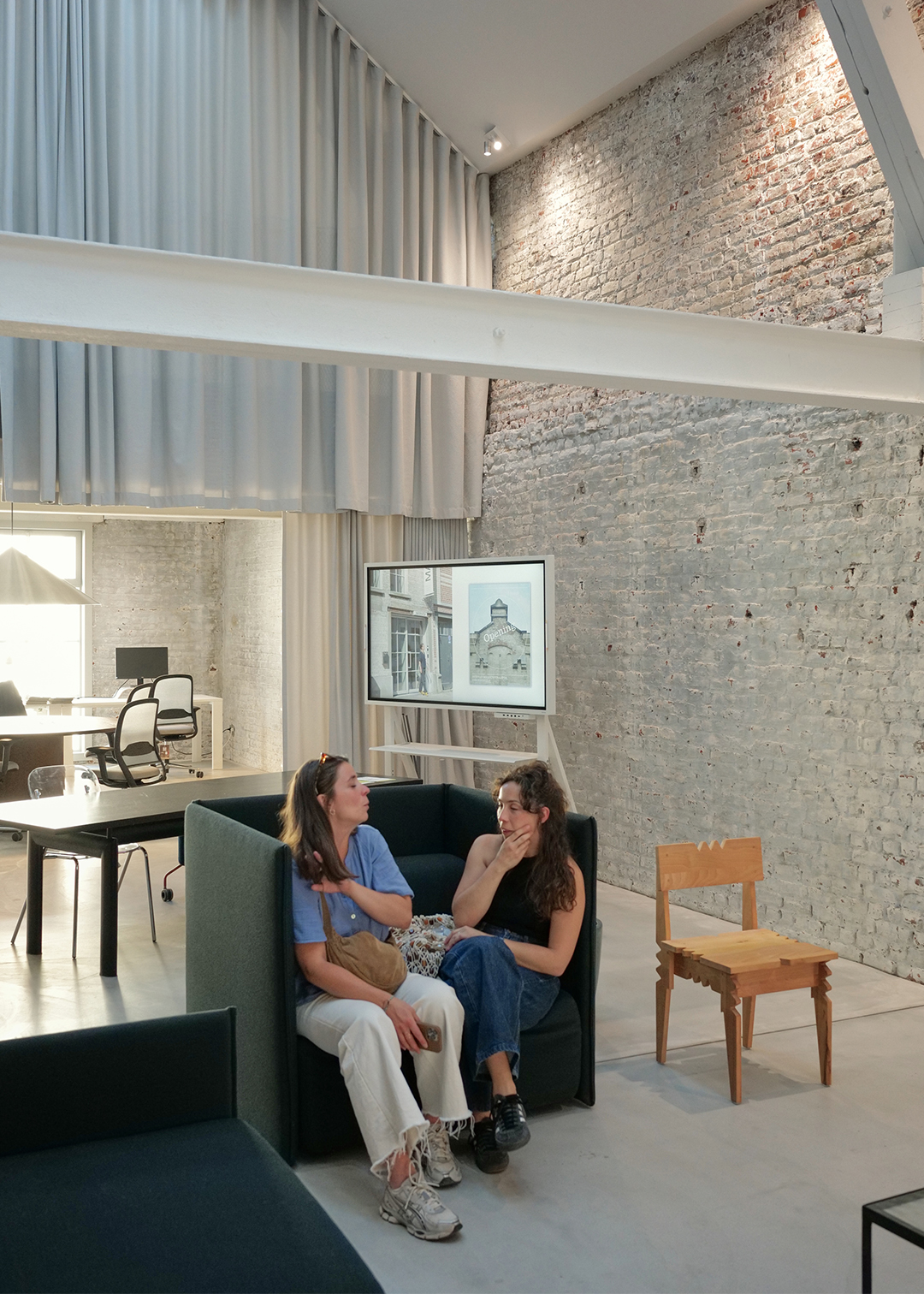
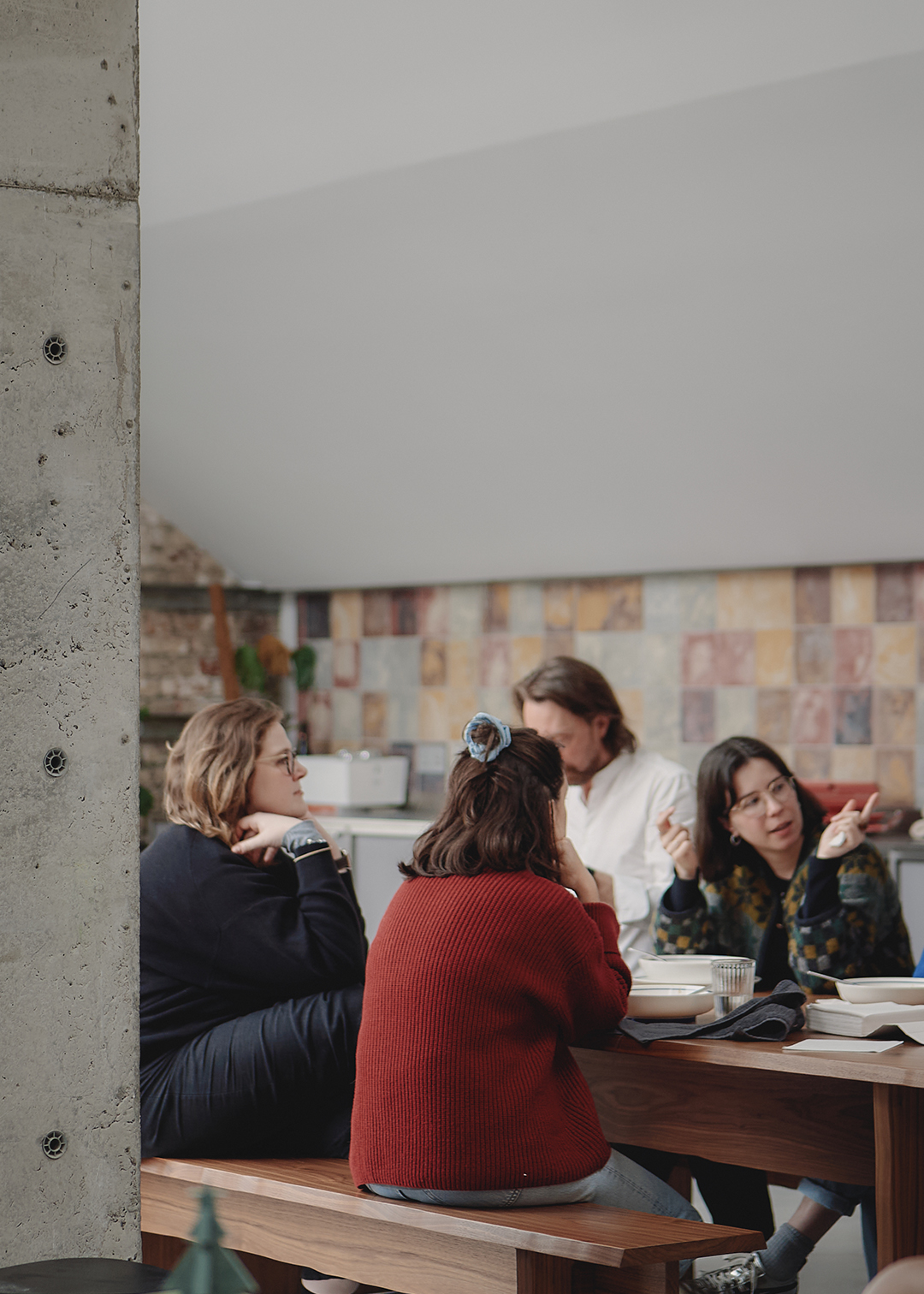
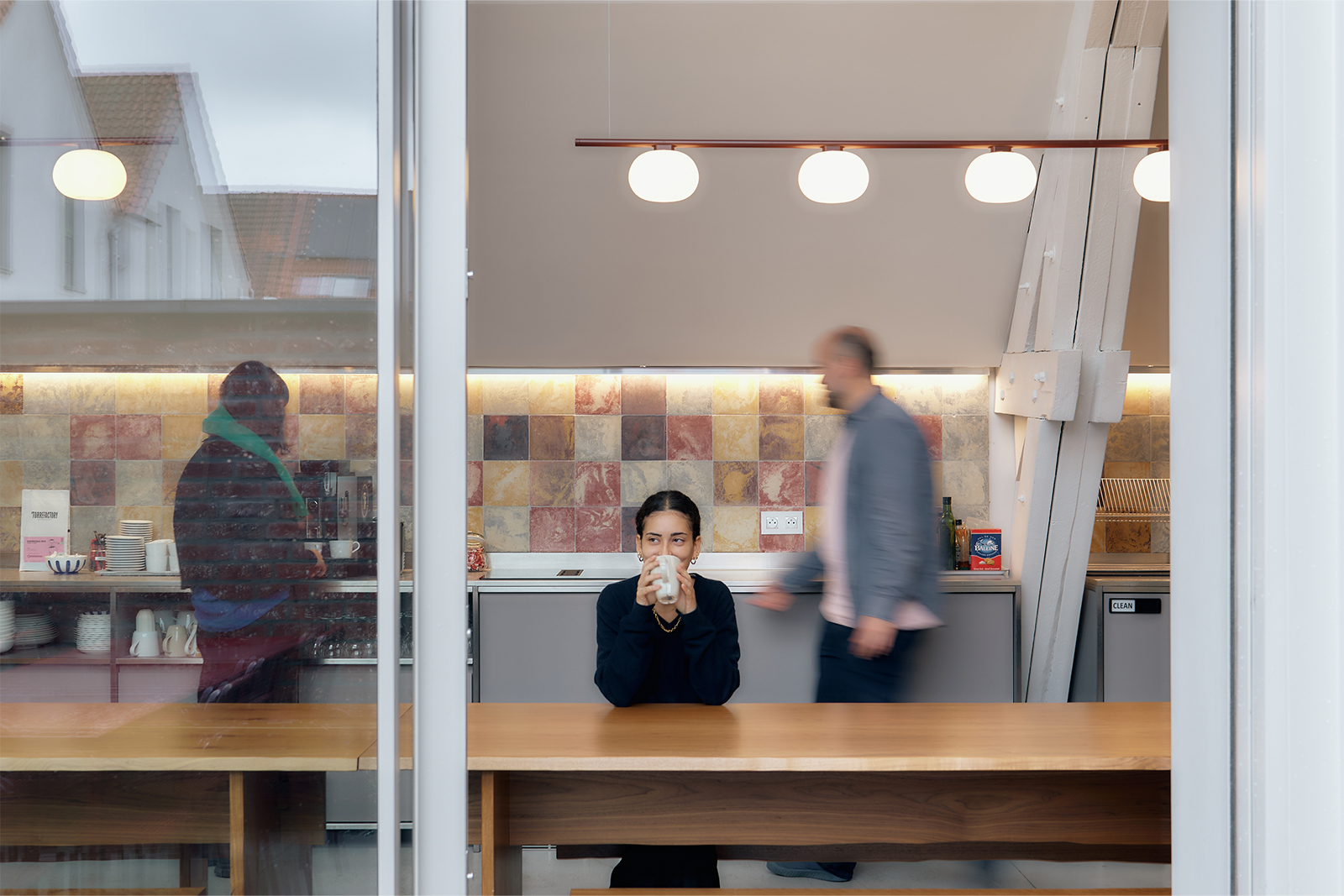
Across the building, each pair of floors takes on a distinct role. The ground and first levels host a material library and coworking area, where full-height galvanised steel shelving lines the raw brick walls, paired with long communal tables for collaboration and material checks, as well as fully equipped meeting rooms and individual booths. Above, the second and third floors revolve around the double-height “Set” a polyvalent central space that organises circulation and various workspace typologies, shifting easily from an informal daily lounge to configurations that support lectures, workshops or events. At the top, a generous kitchen opens onto a new terrace, complemented by flexible workspaces and support areas.


Materiality
The architecture takes a quietly assertive stance: raw, restrained and generous. Neutral tones and minimal finishes allow people, processes and materials to take centre stage.
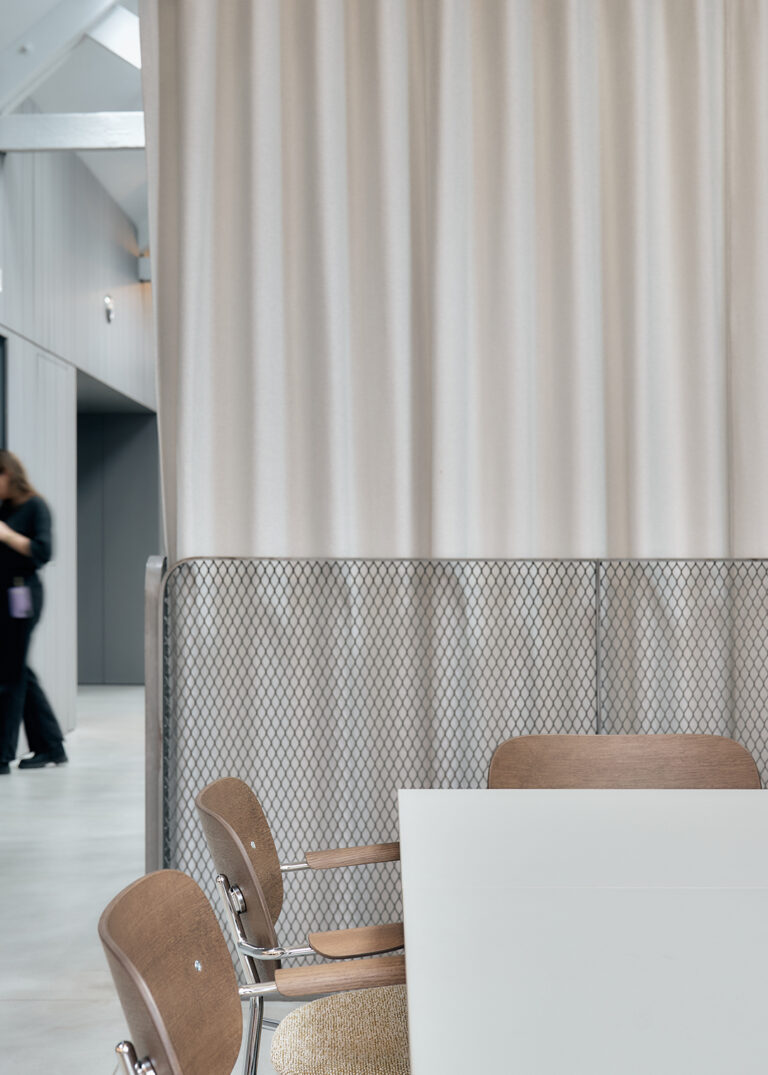
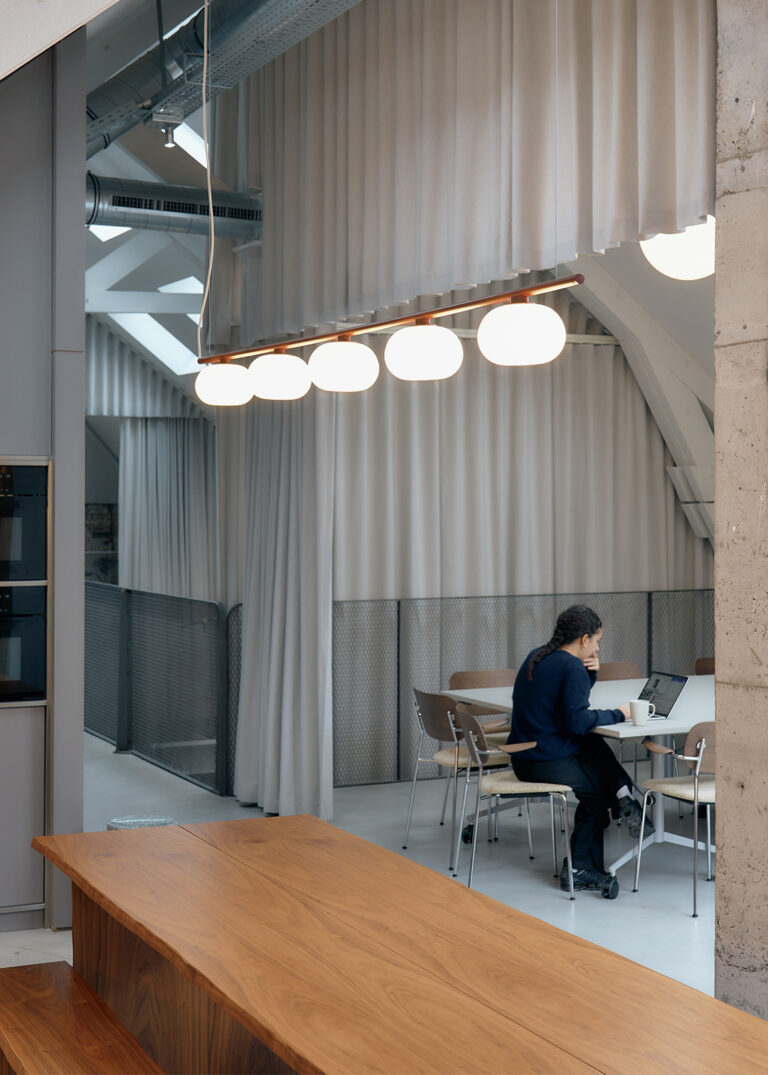
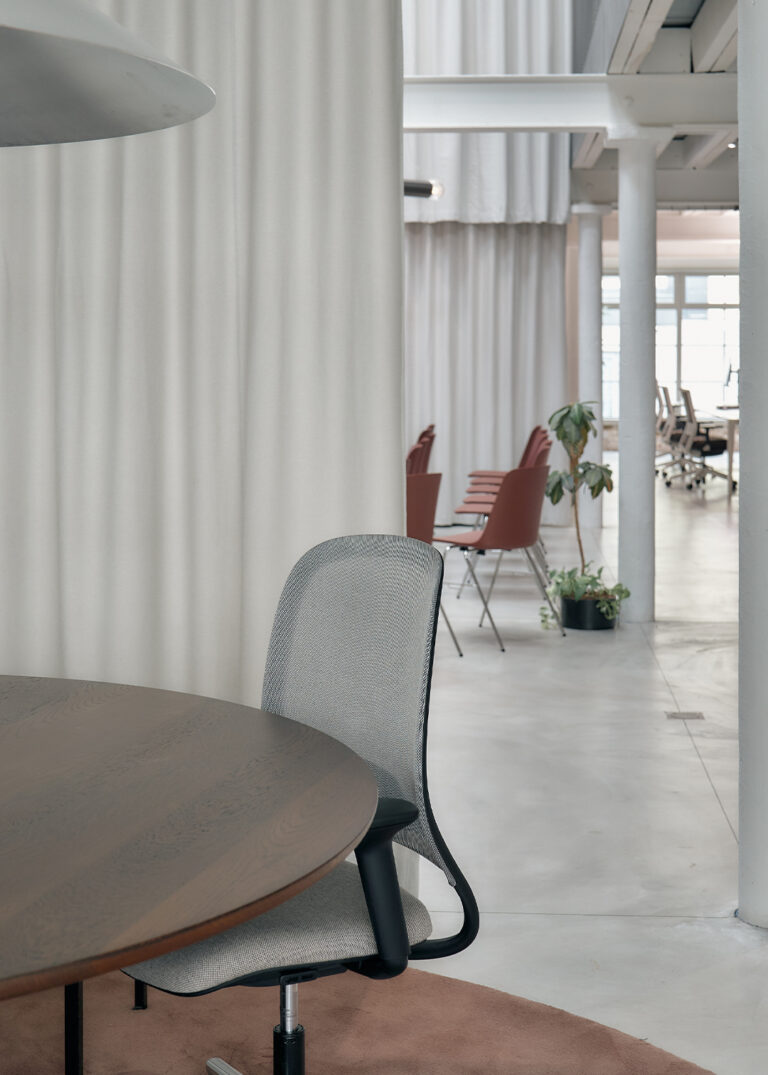
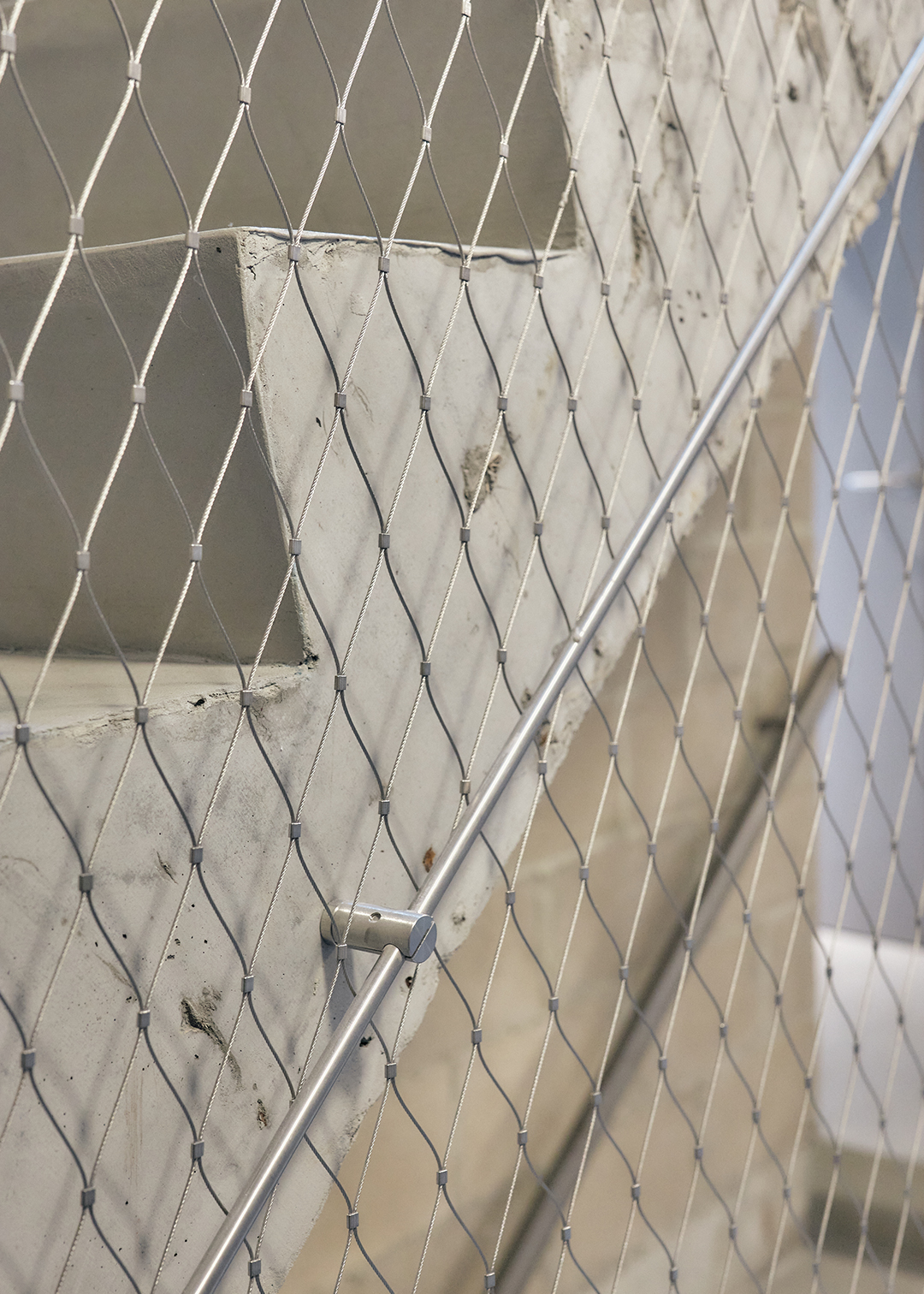
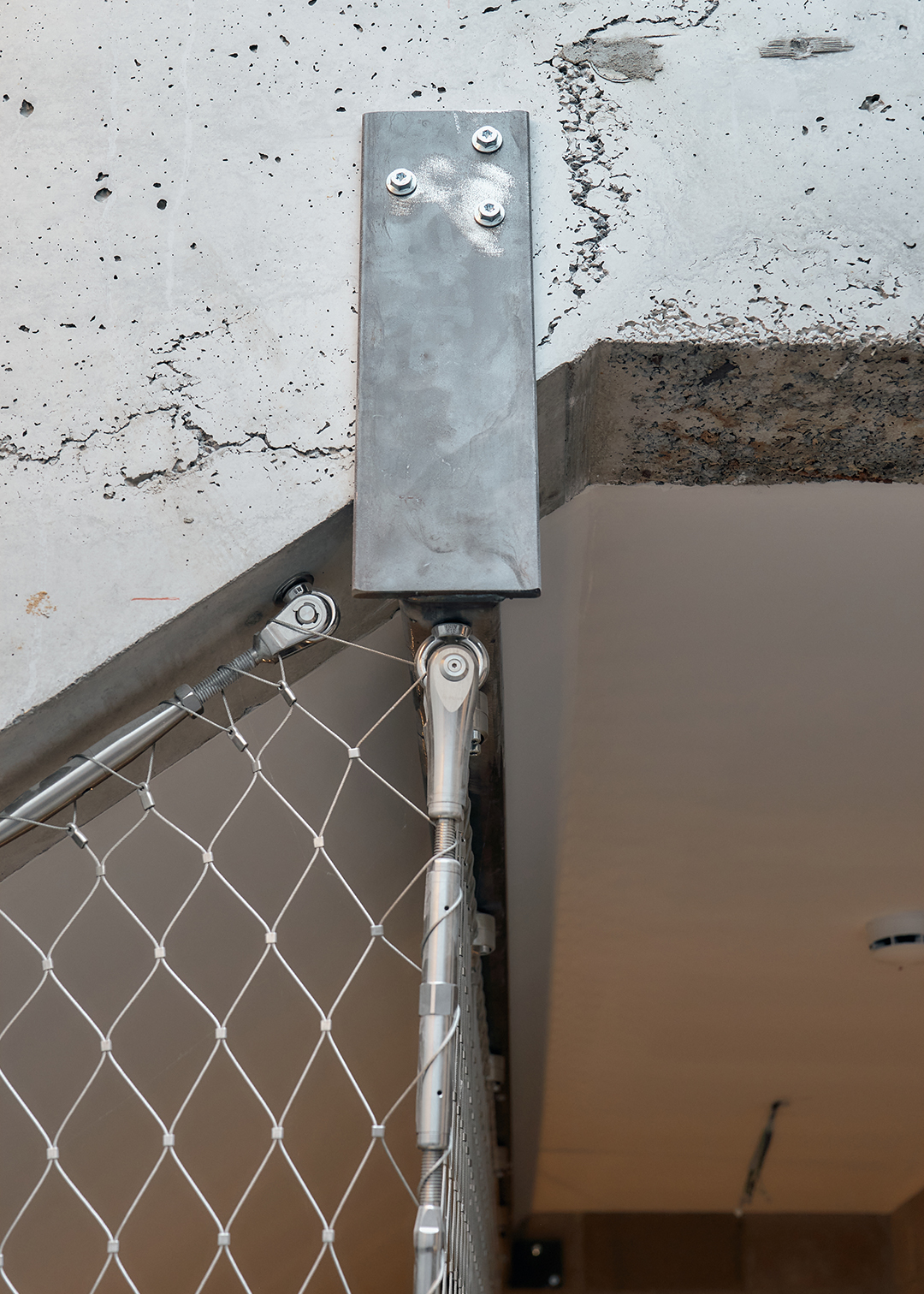
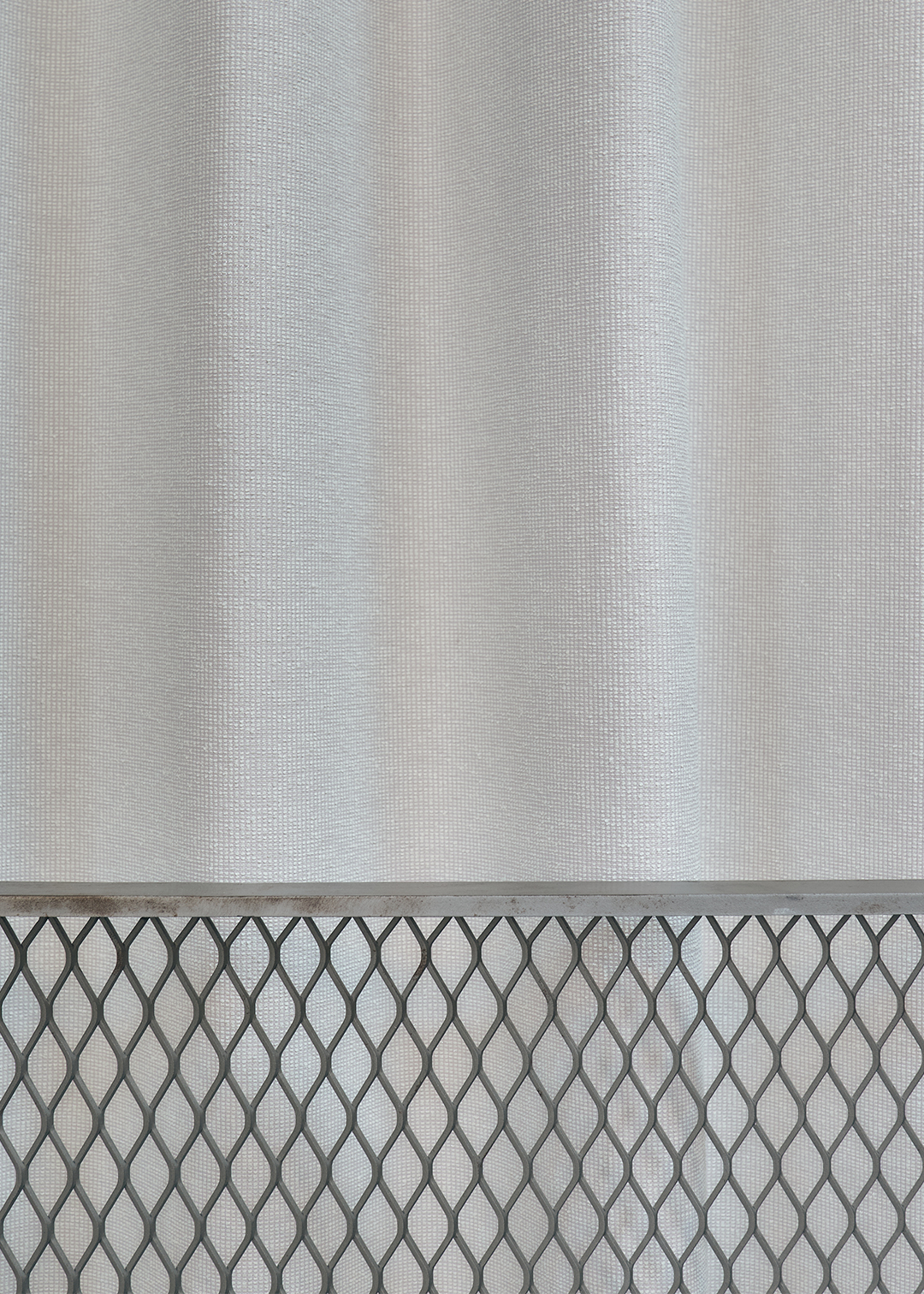
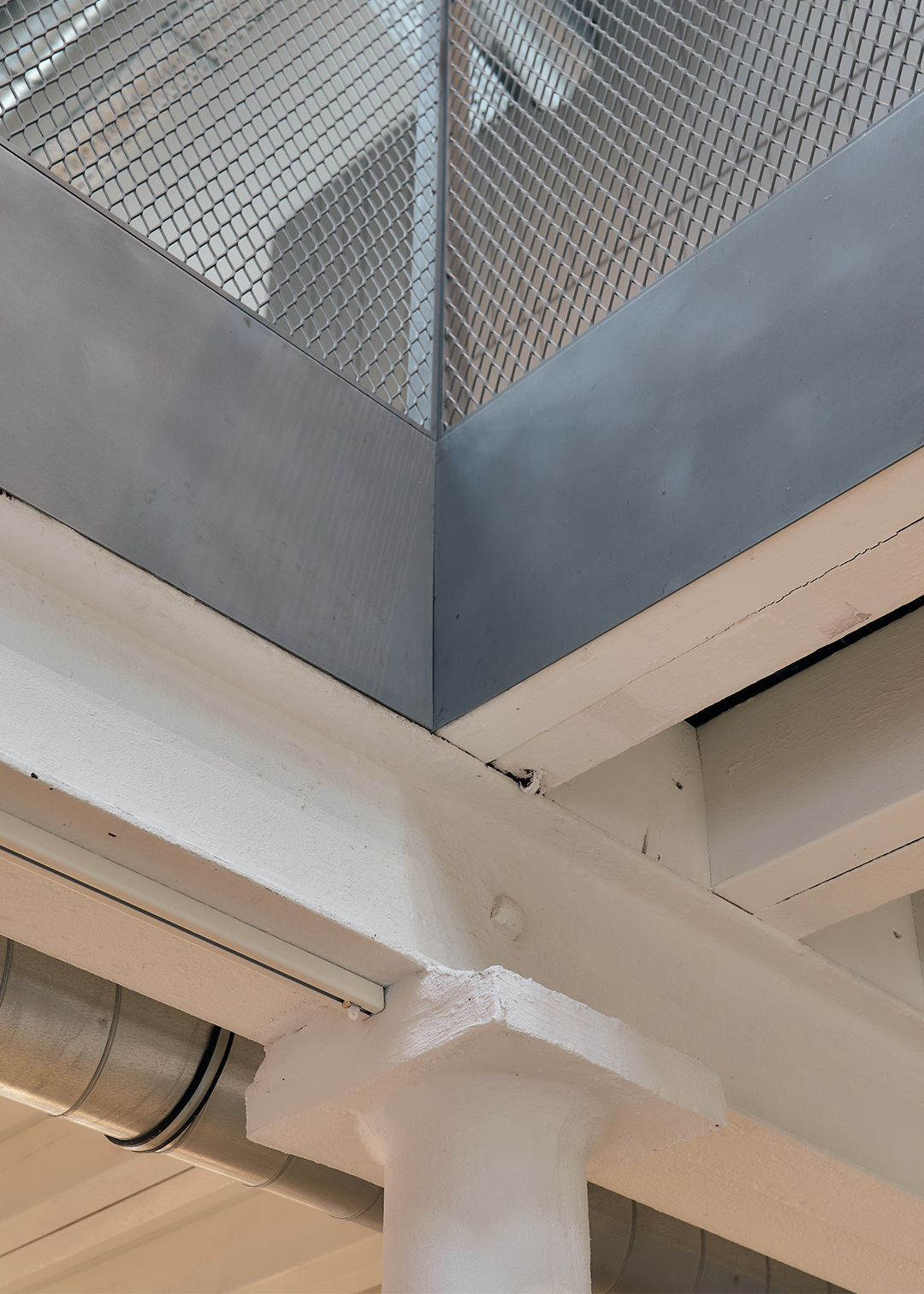
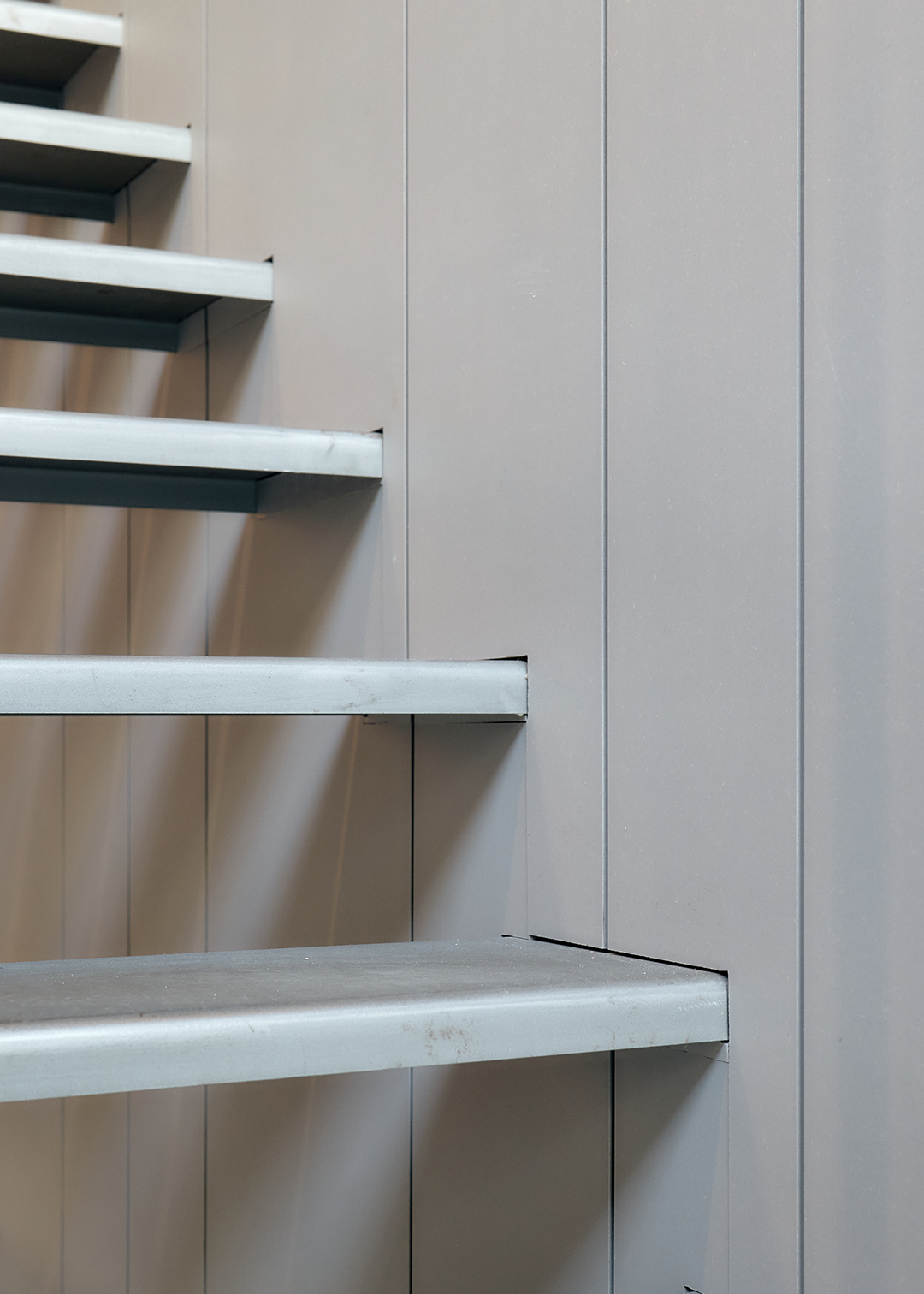
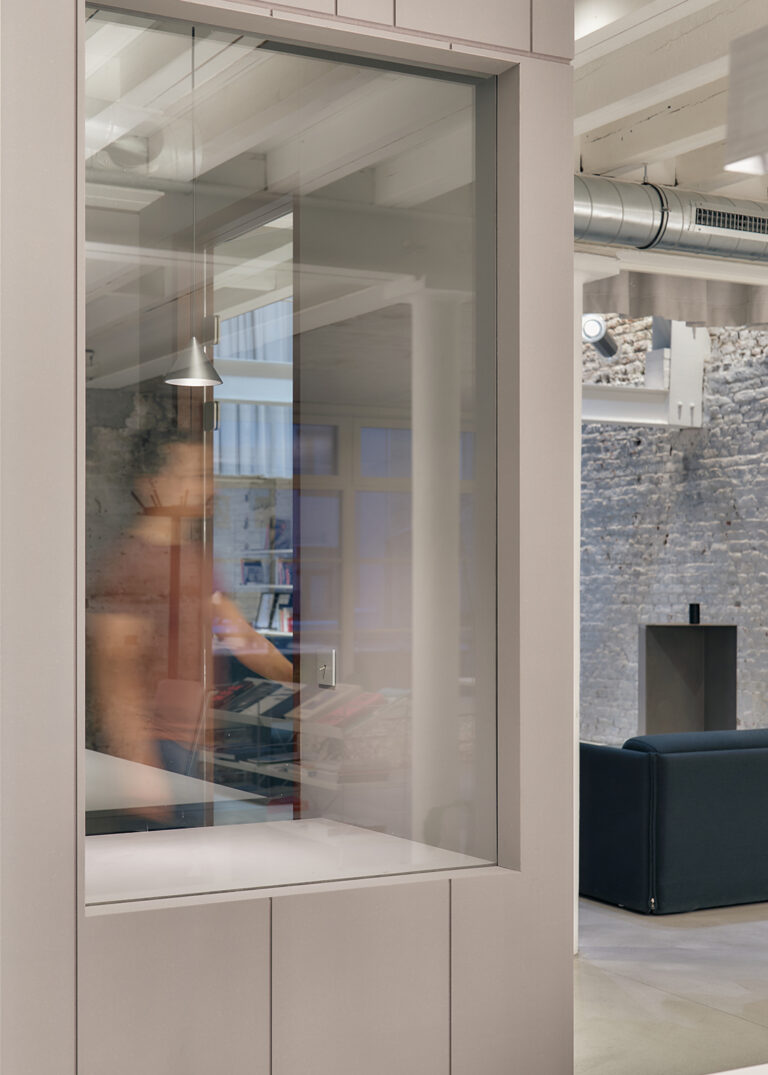
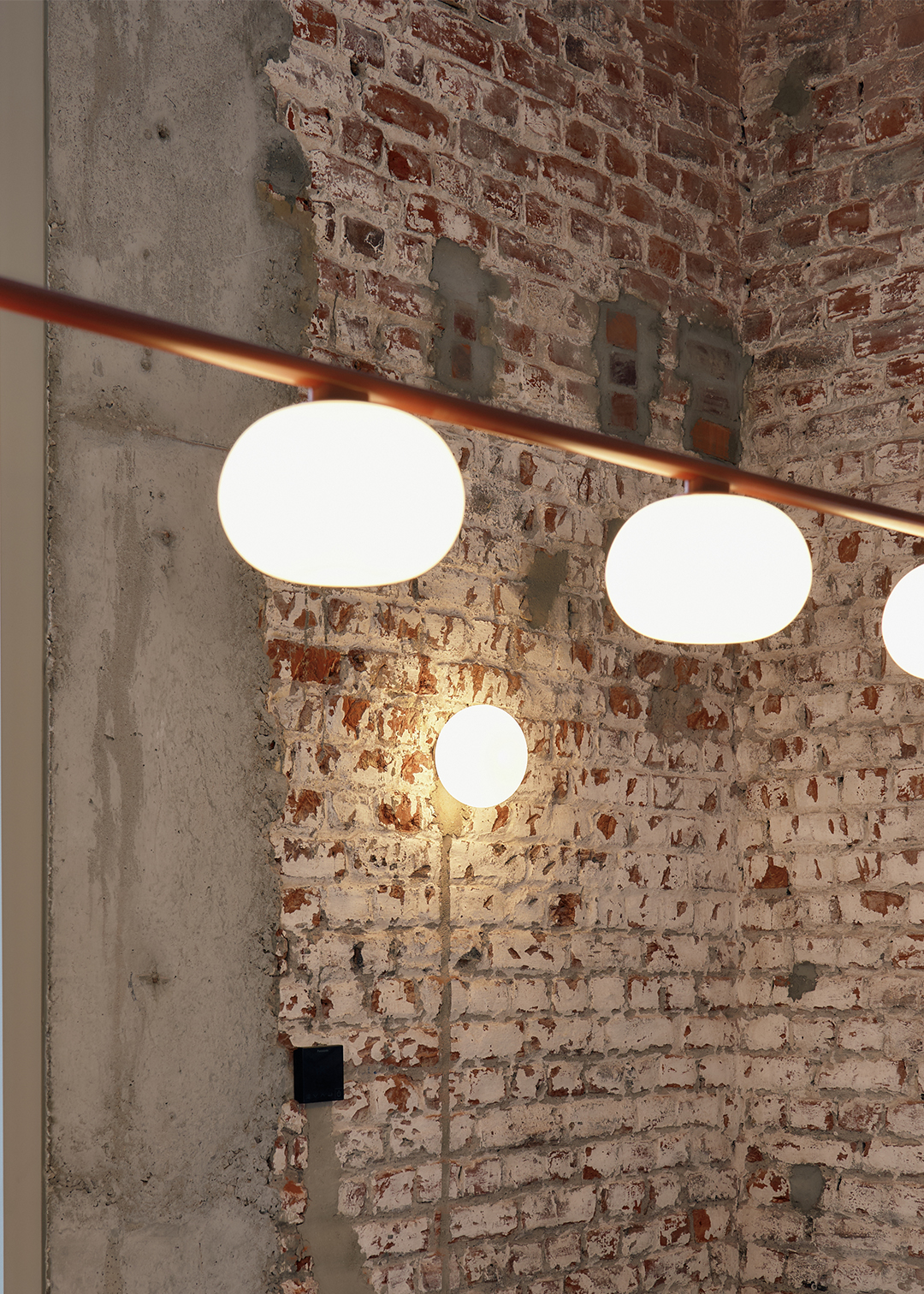
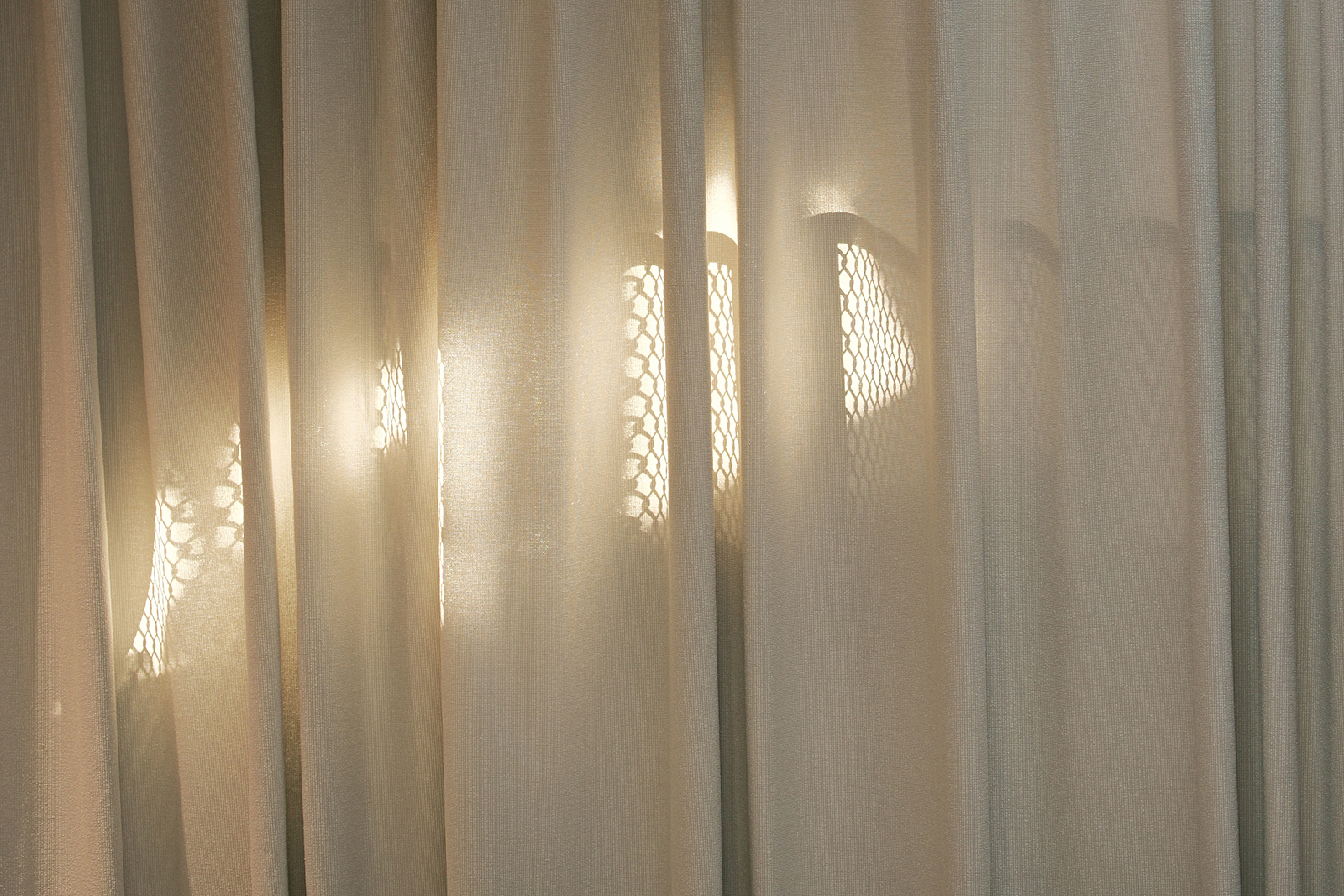
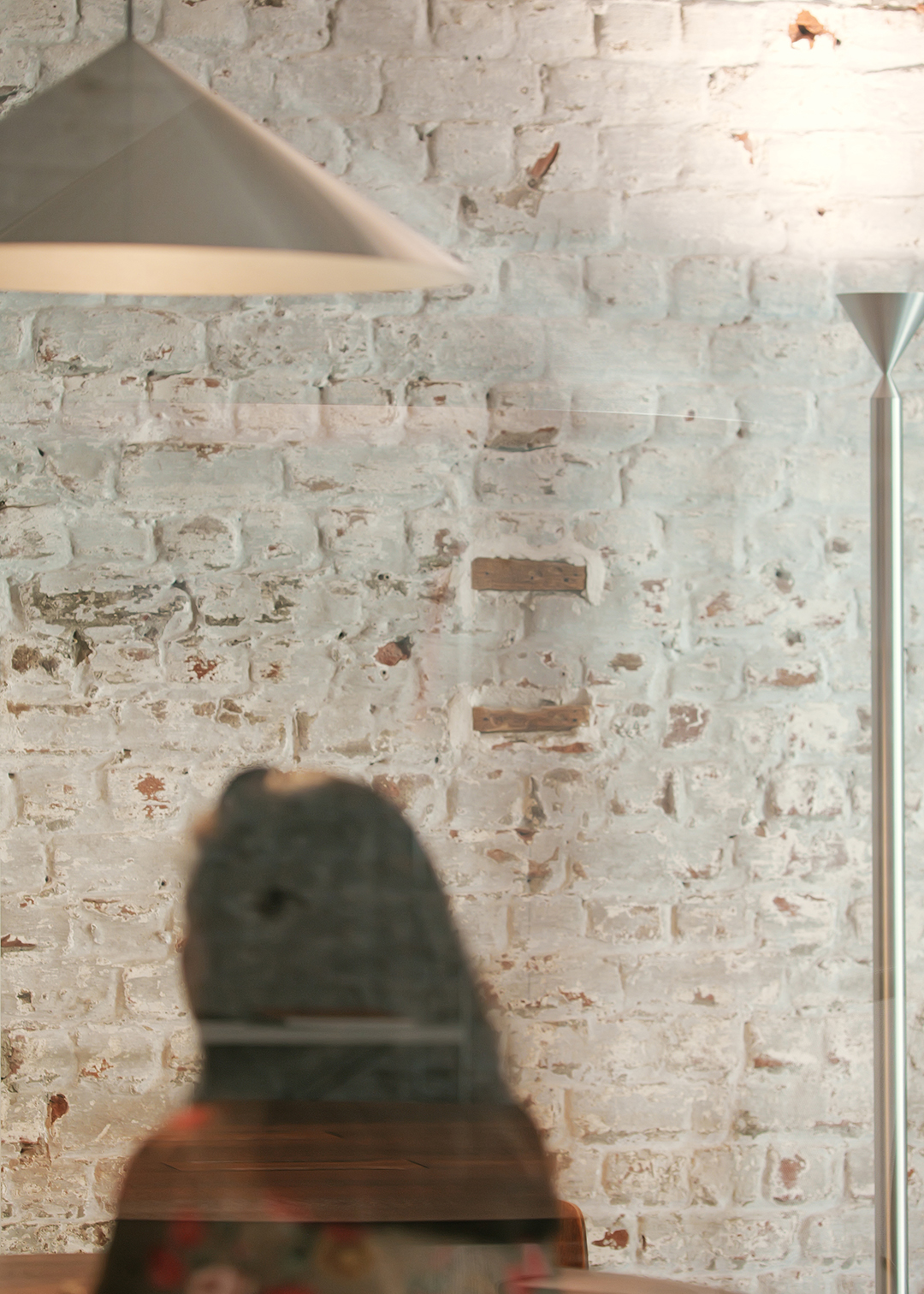
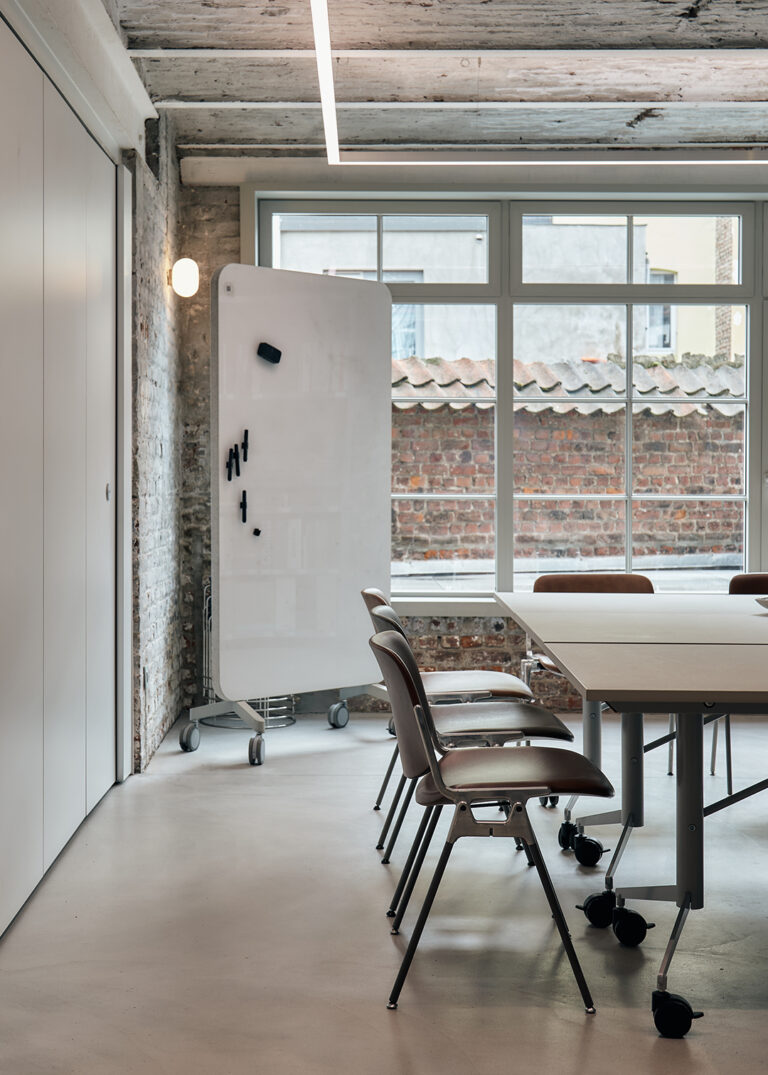
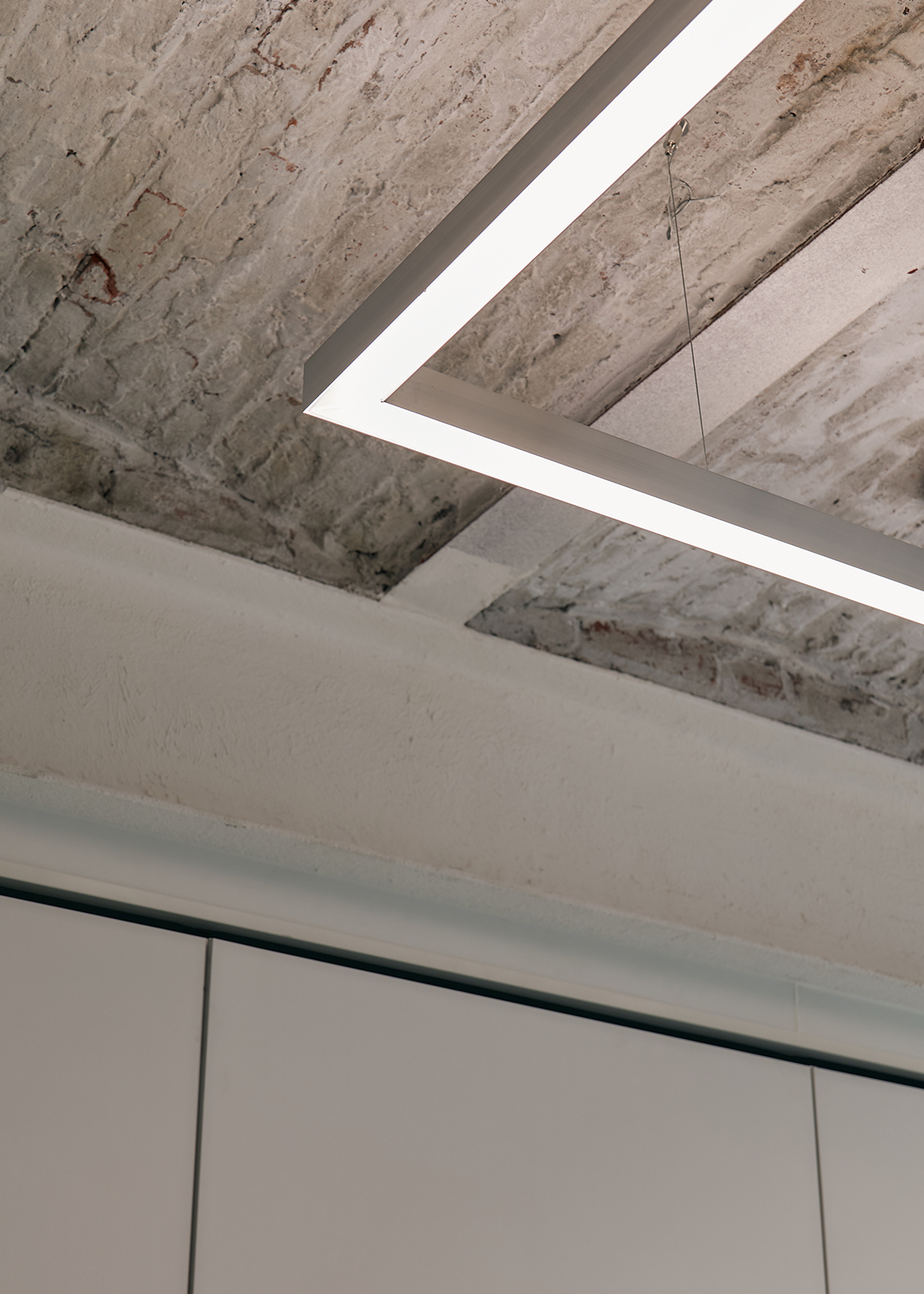
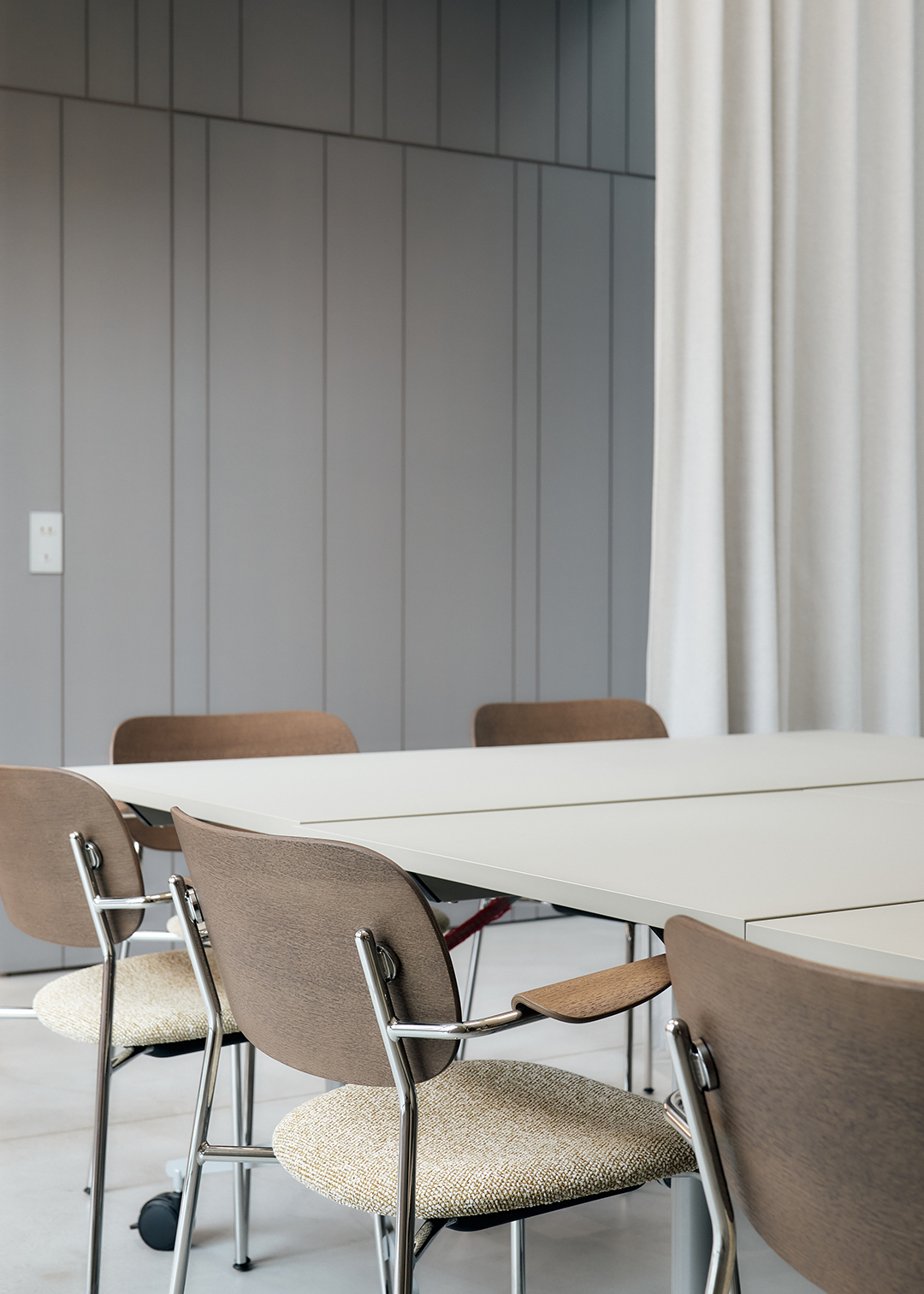
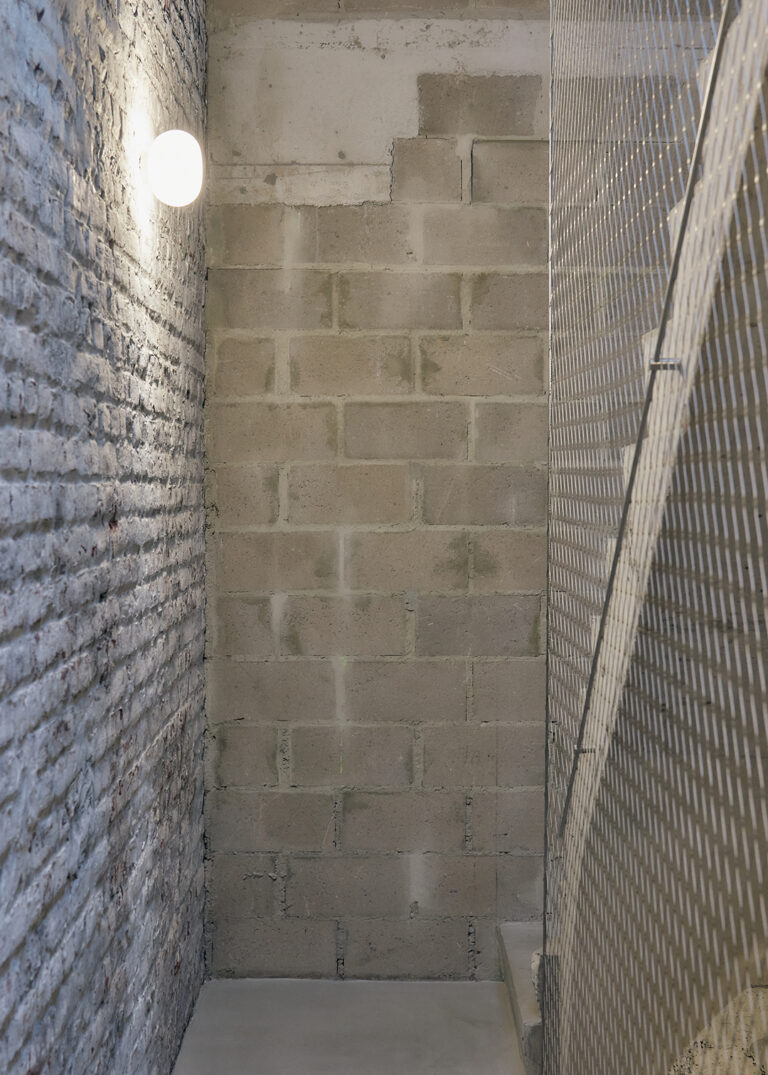
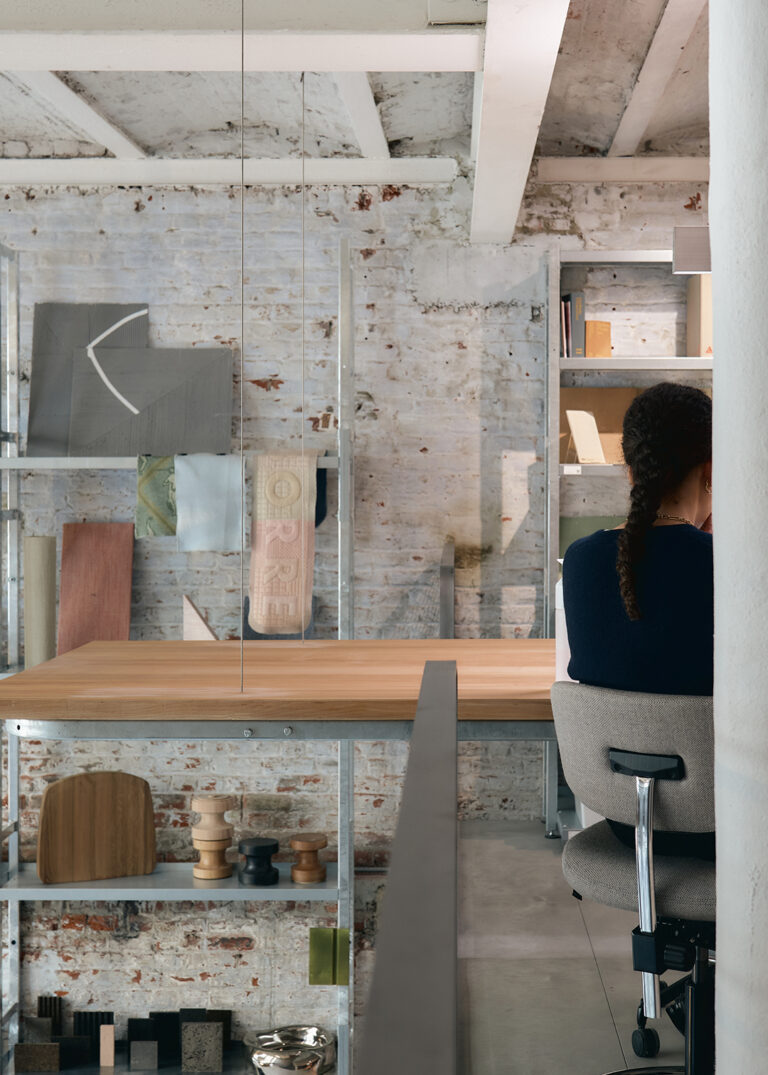
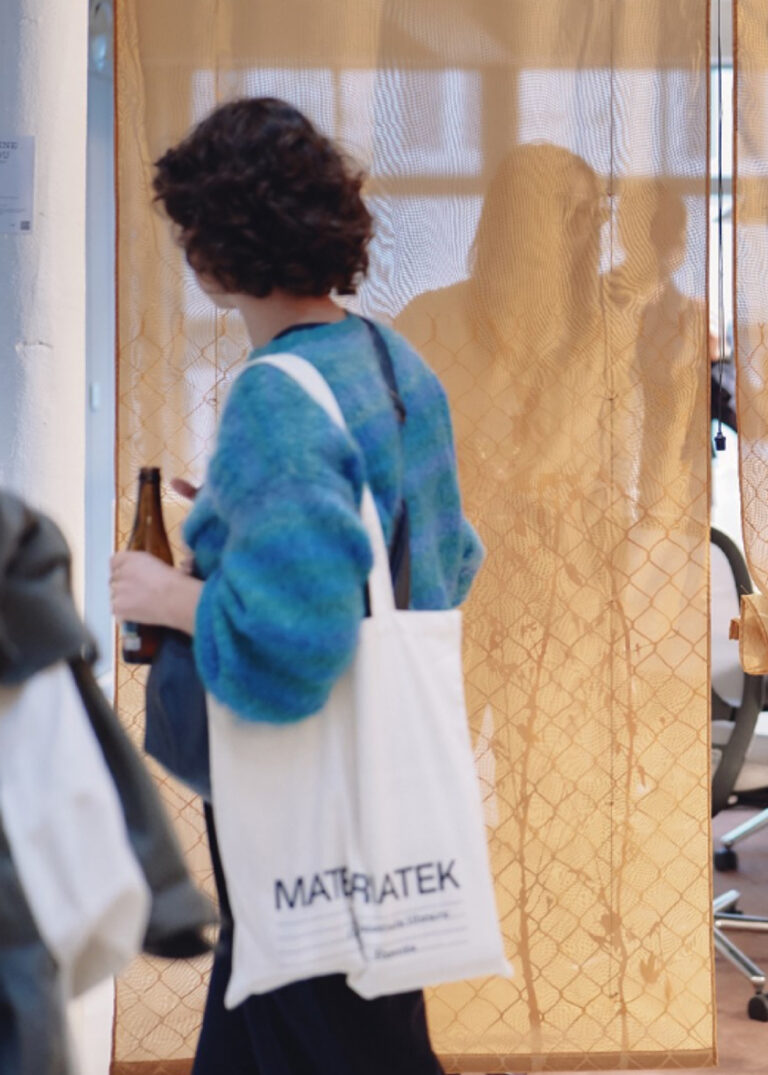
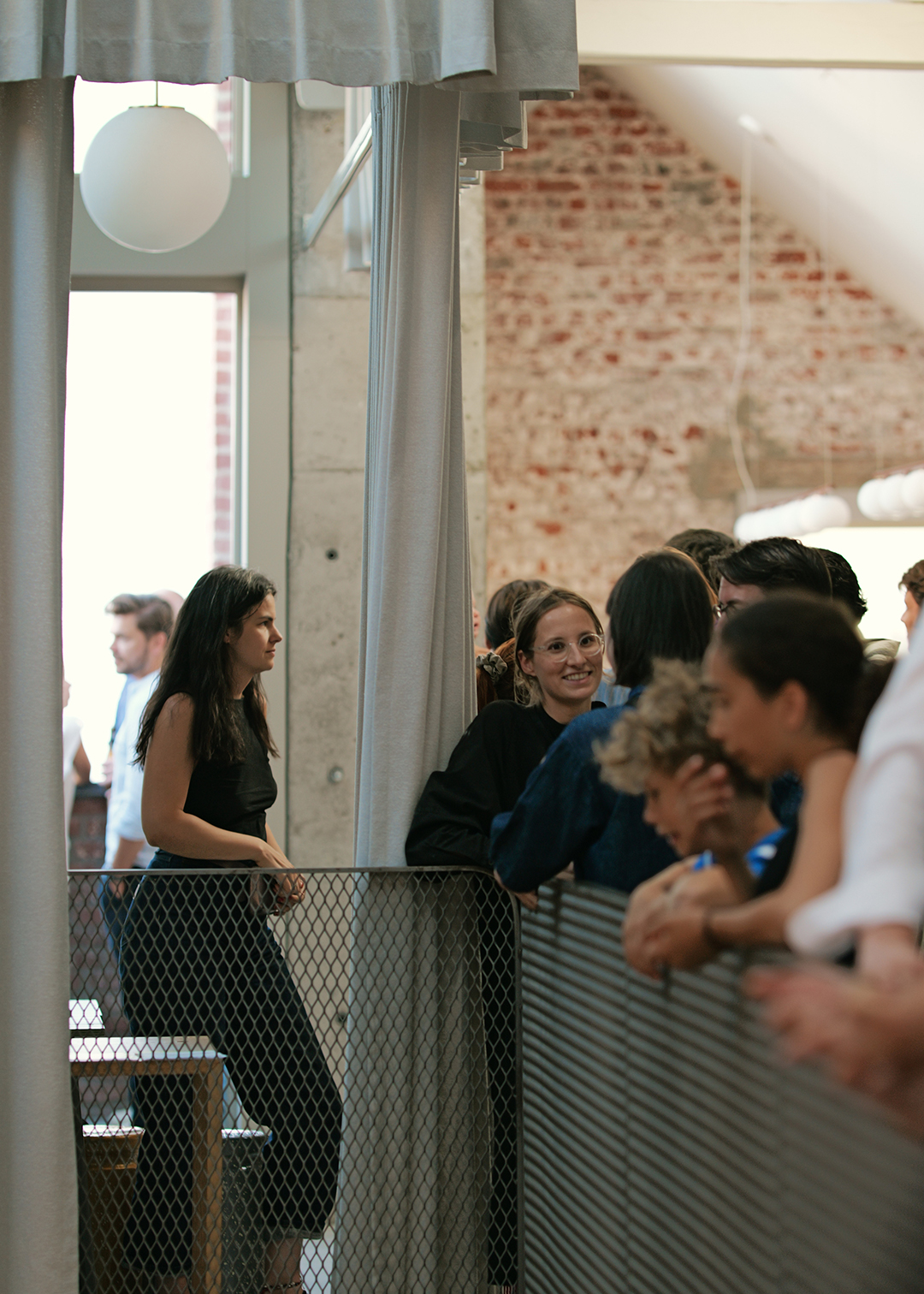
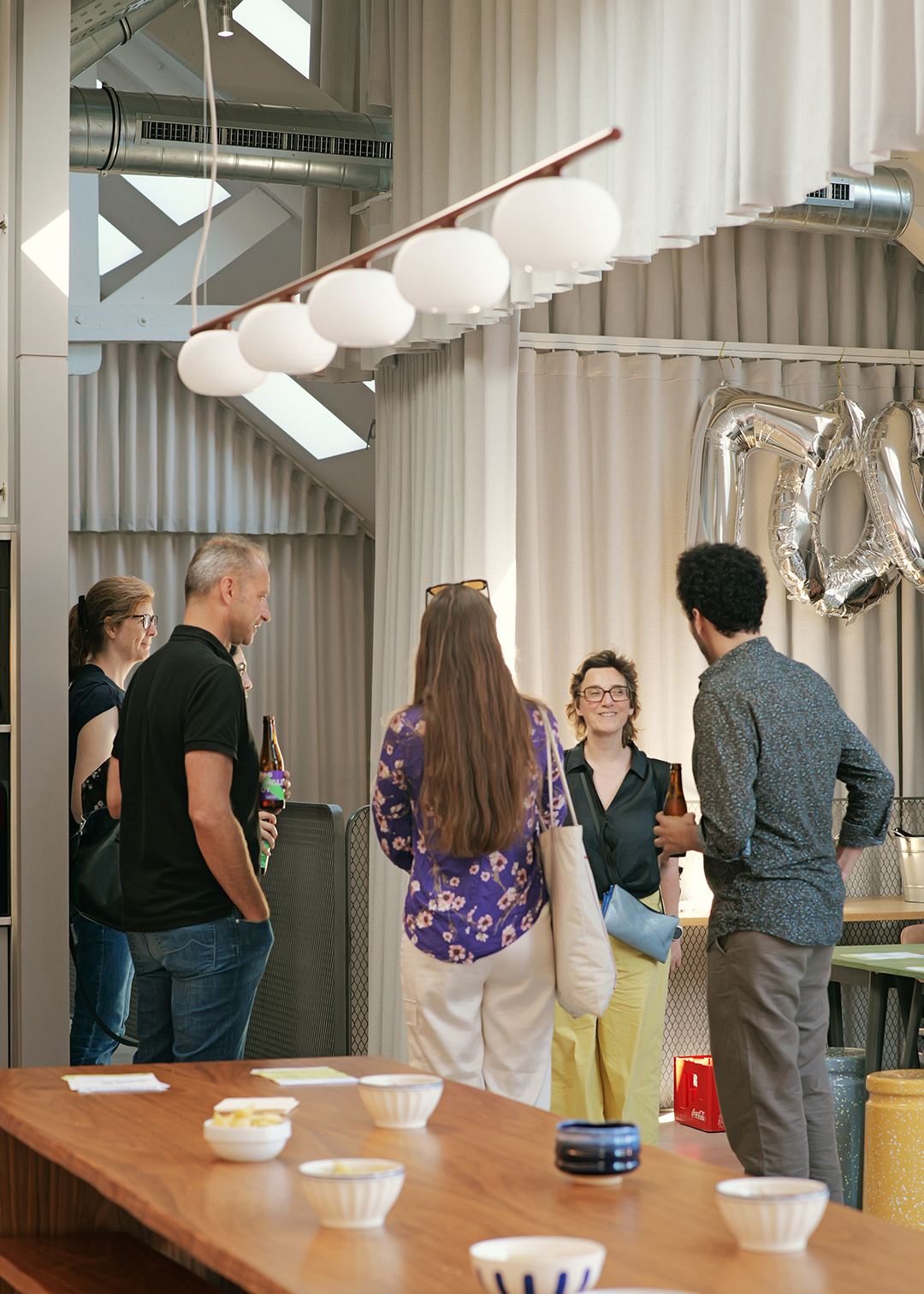
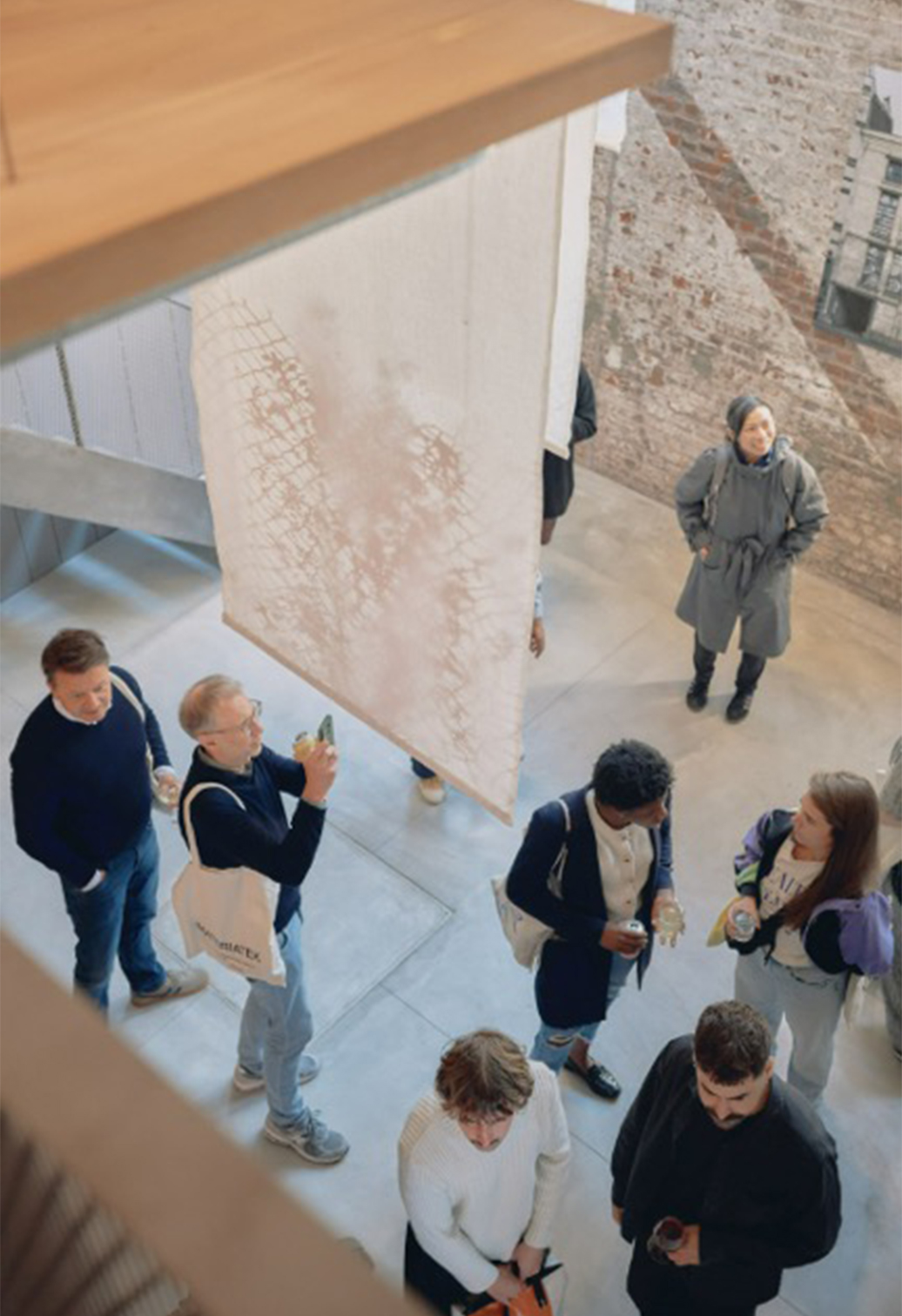
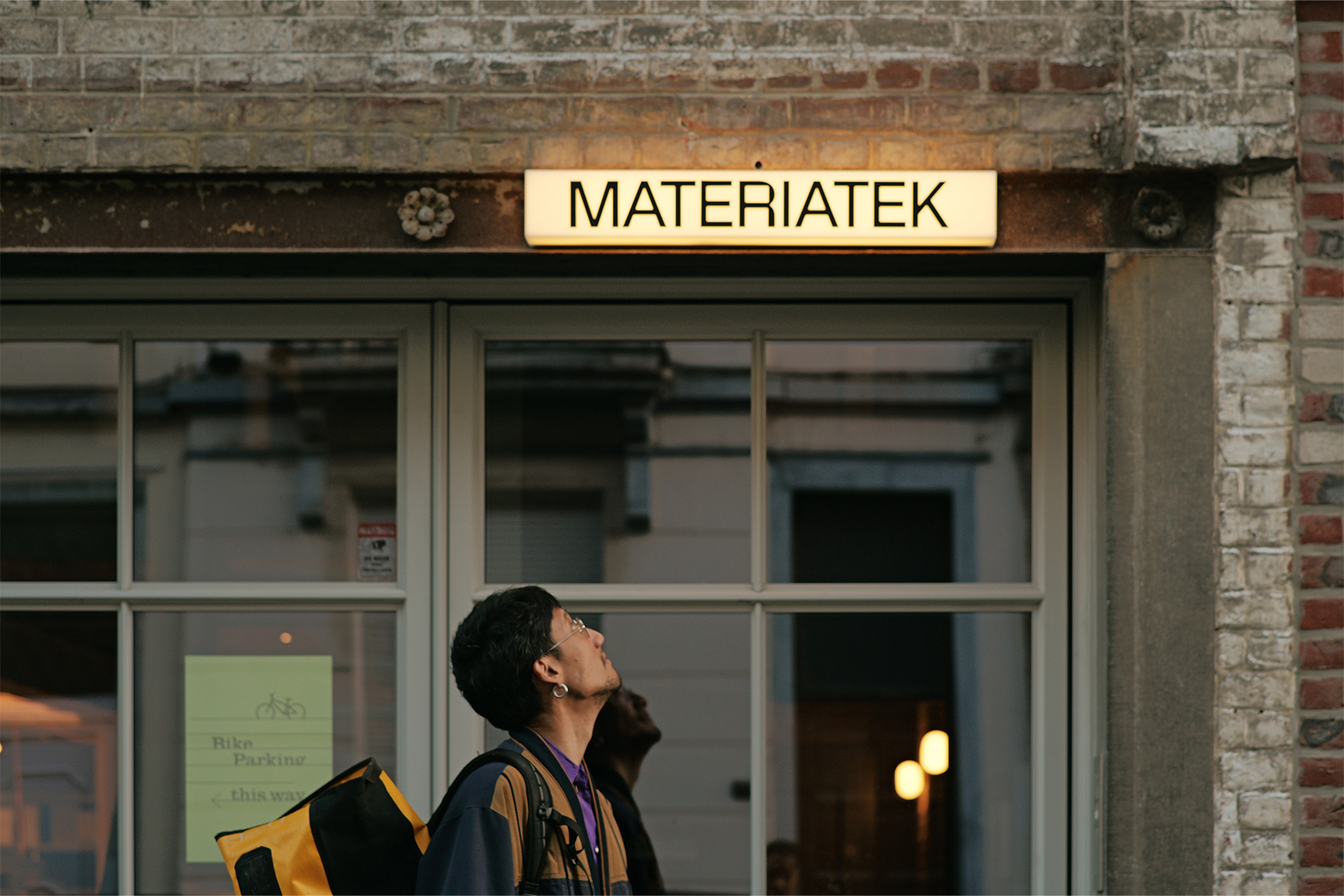
From the outset, the design aimed to reveal and highlihgt the building’s defining features: raw brick walls, metal beams and columns, vaulted ceilings and large openings on both façades. The restoration reinforces the industrial aesthetic with coherent functional elements such as heated concrete floors, raw metal shelving rising through double heights, and extensive curtains used not only for spatial flexibility but also for their acoustic performance and scenographic presence.
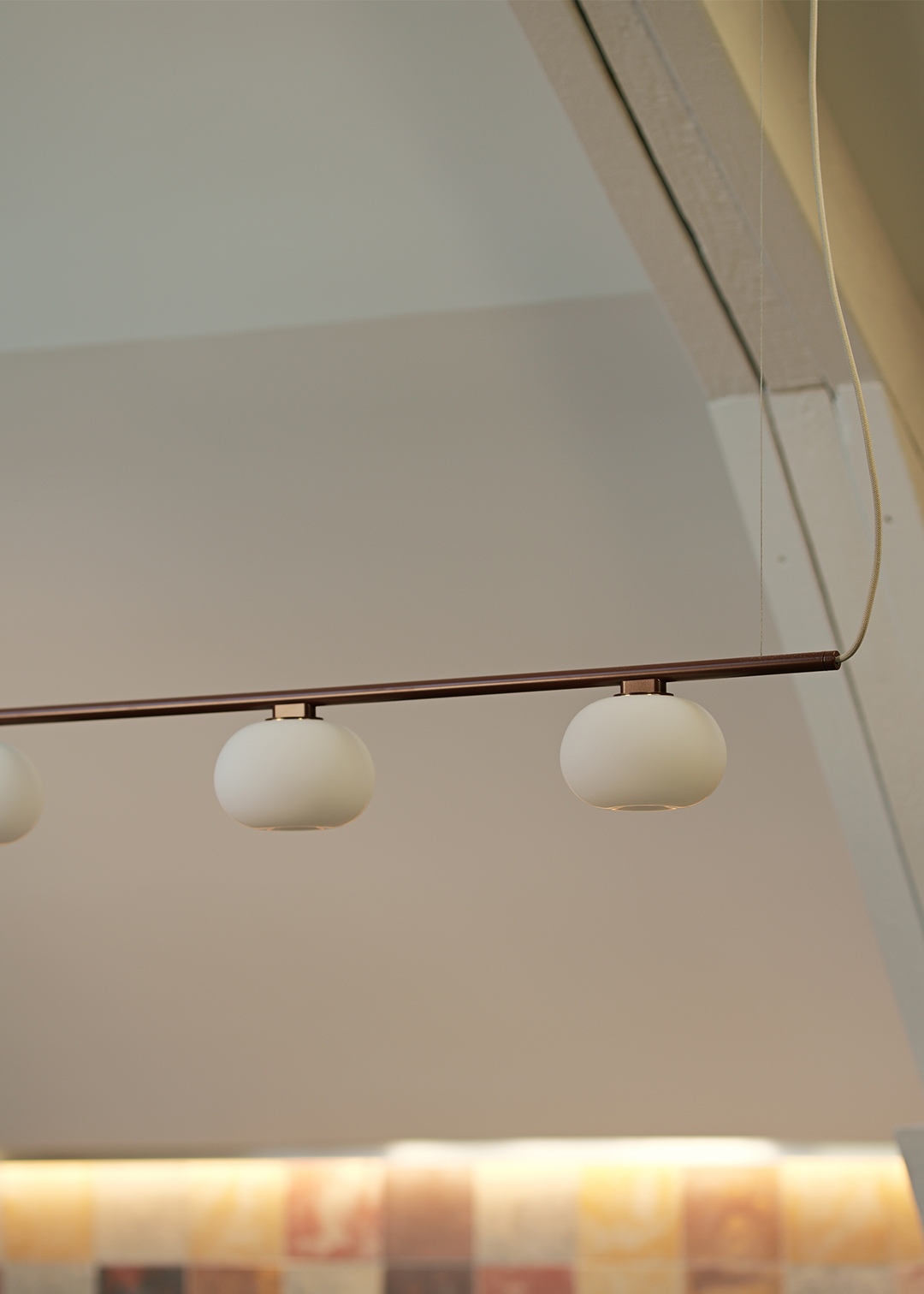
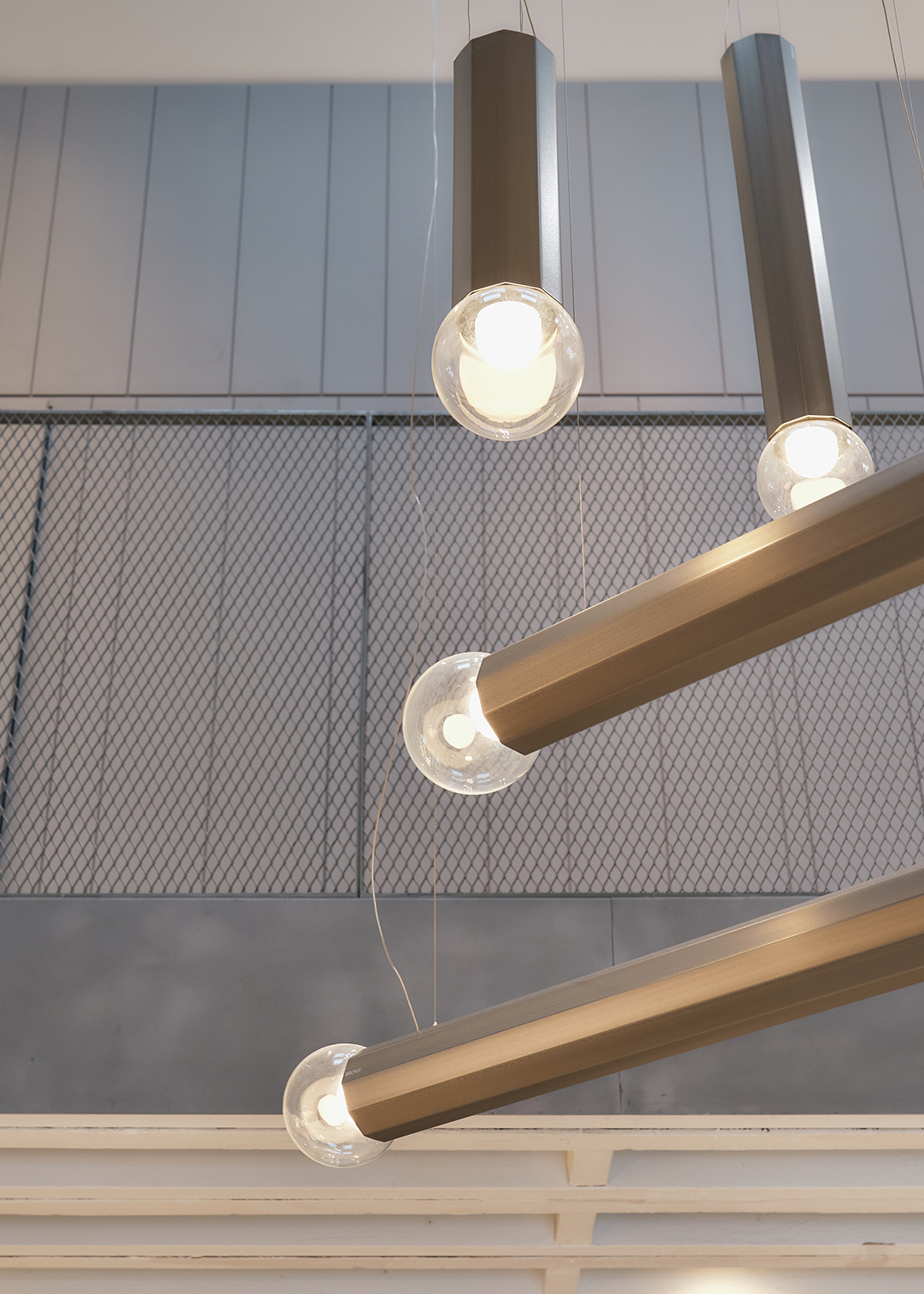
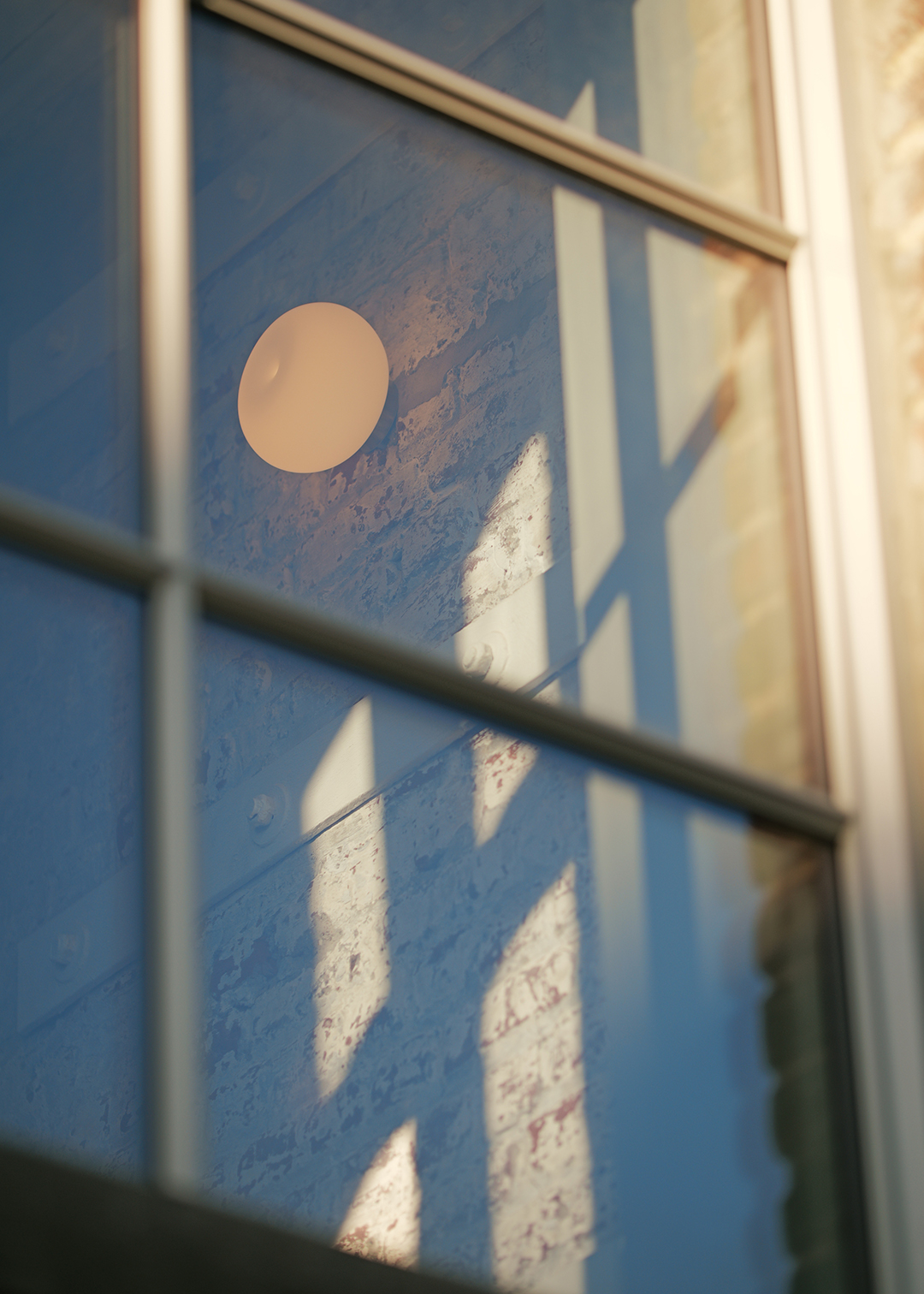
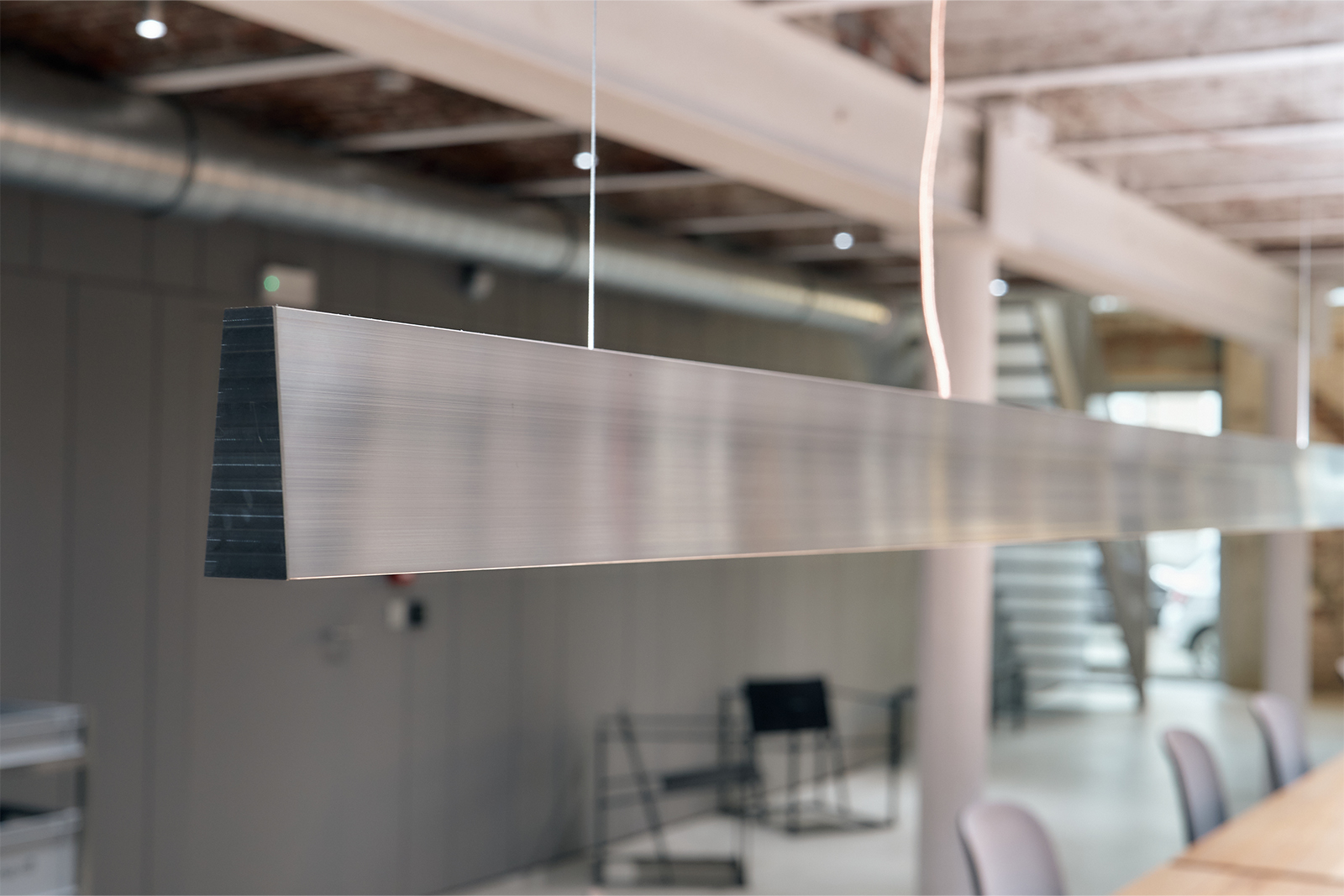
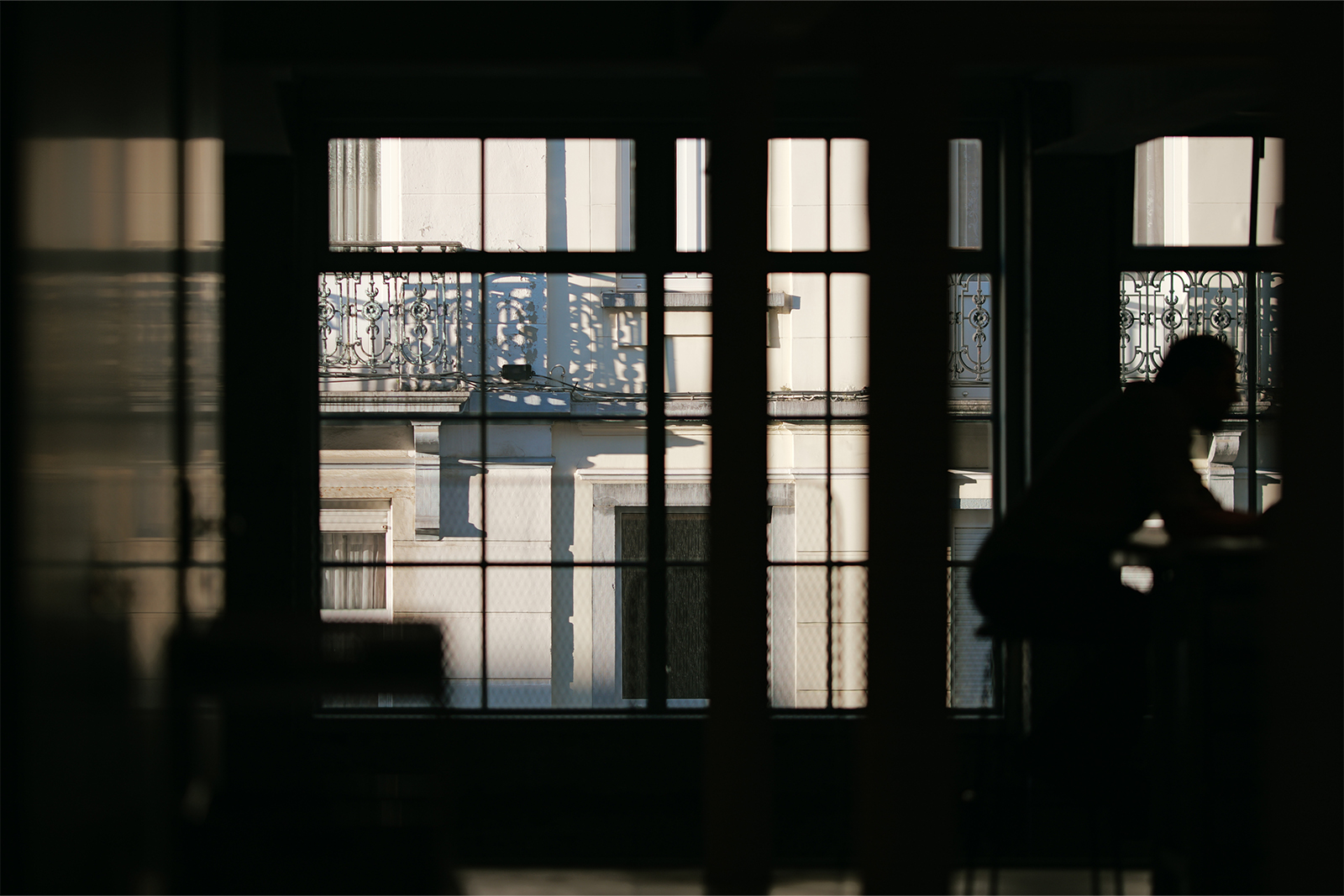
Lighting was approached with equal care: decorative fixtures blend with advanced technical setups for worktops and dedicated material-consulting areas, while natural light moves through a deliberately porous layout that encourages movement, visibility and spontaneous encounters.
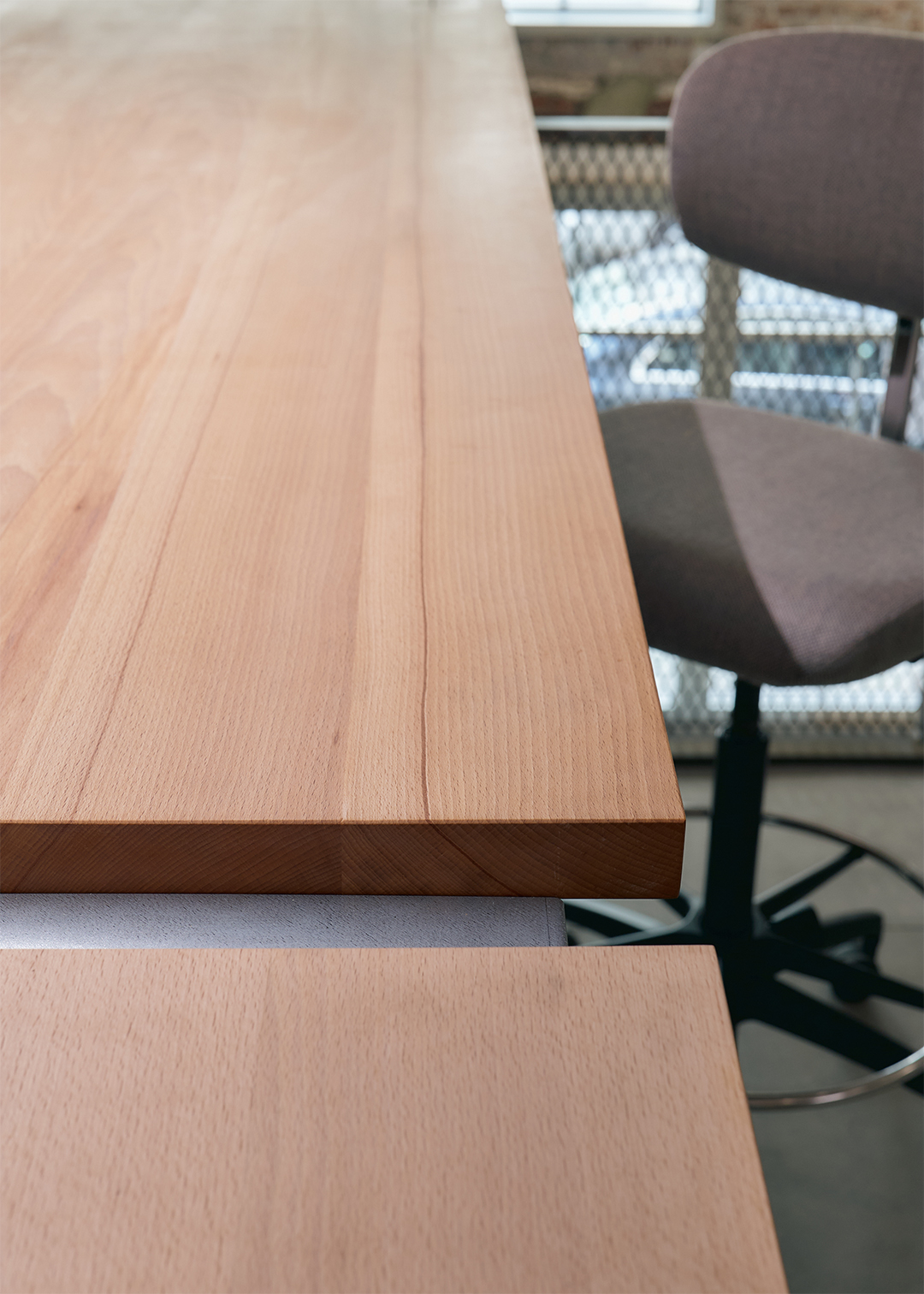
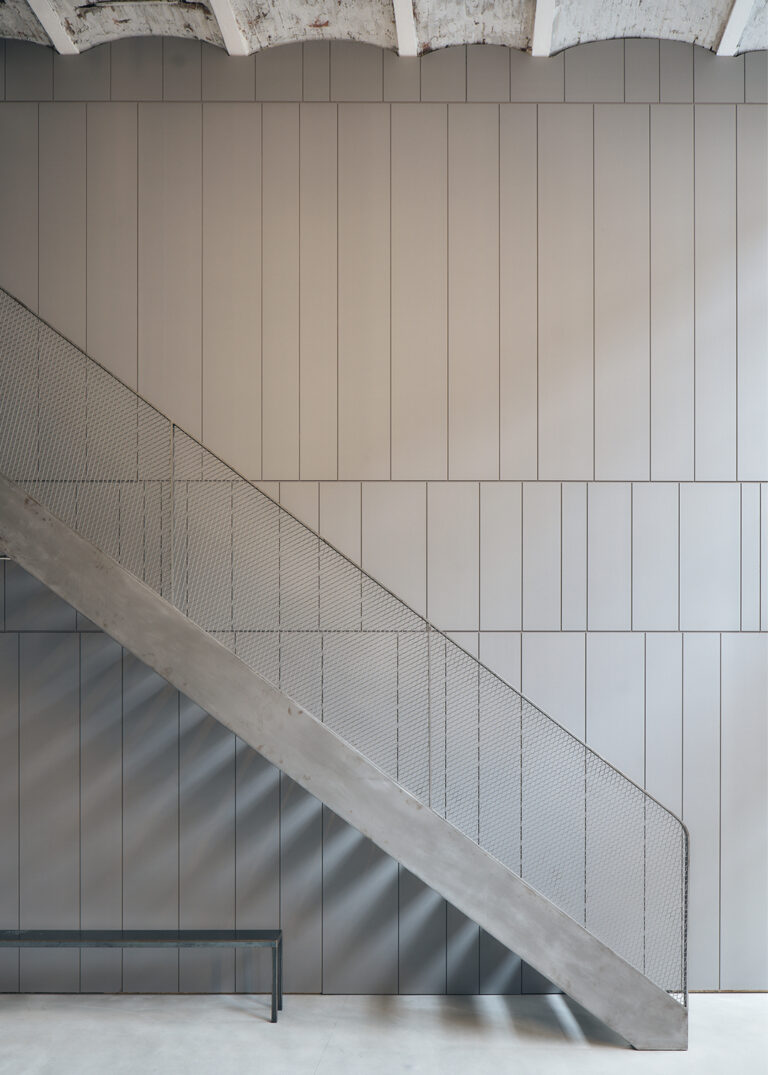
Circularity is at the core of the entire project. The space incorporates 100% recycled UNILIN wood cladding, Rotor-sourced tiles and furniture as well as collaborations with local designers HIER for the bespoke shelving and Sonian Wood for work surfaces. Every detail is intentional, shaped with care for both its users and the ecosystem that sustains it.







To be continued
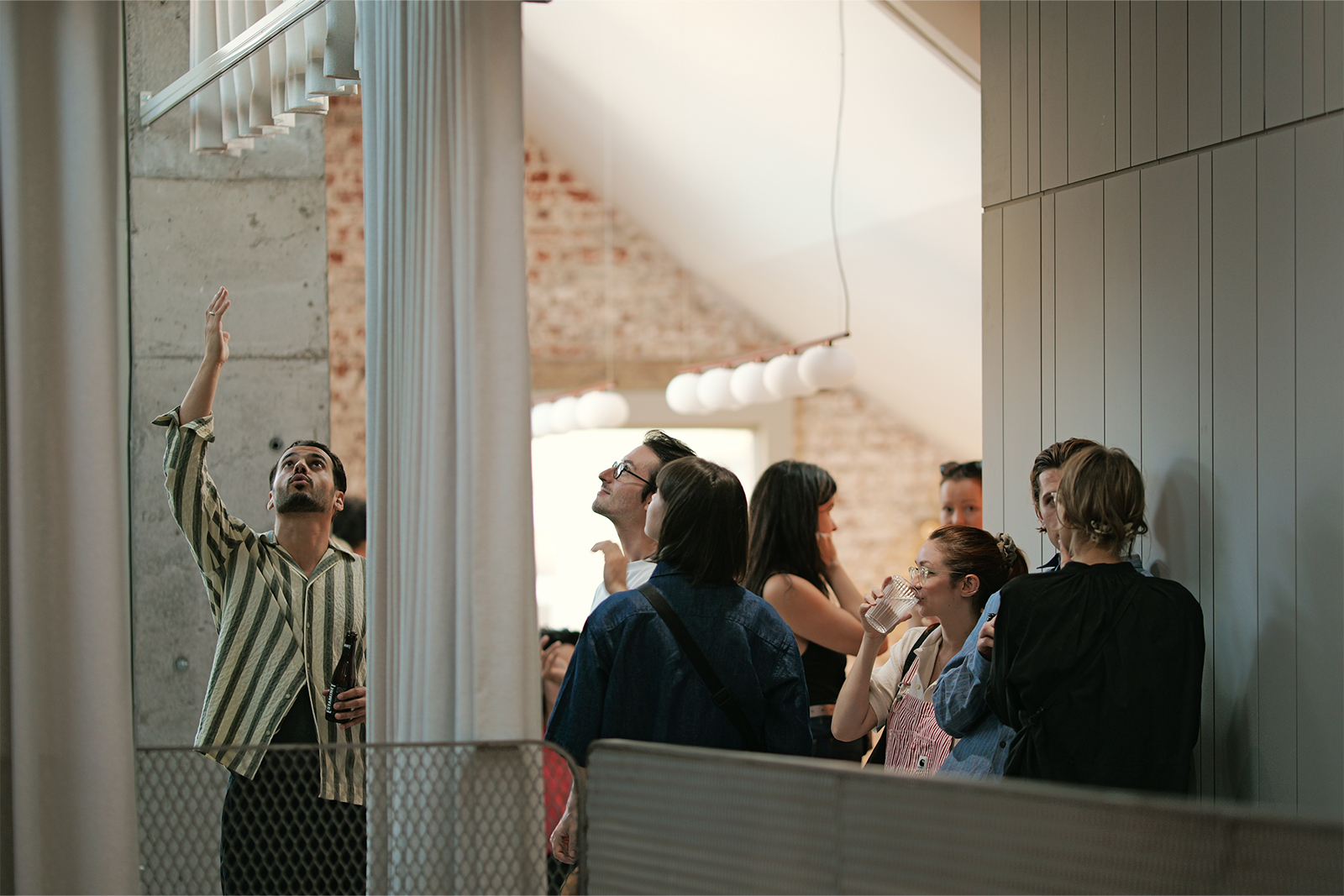
Materiatek is anchored in three interwoven pillars: a curated materials library, a coworking hub, and a dynamic event calendar. These aren’t separate functions, but fluid interfaces. Professionals come to work and stay for the exchange. Students discover new tools and return as contributors. Neighbours drop in and become part of the rhythm.
Today, Materiatek operates as an independent non-profit (ASBL), is a physical and social infrastructure for shared discovery, a neutral platform for innovation, experimentation, education, and genuine dialogue between industry and practice.
We were involved in every step, from the germinating ideas to the final execution details, shaping not just its form but also its mission, and learning a great deal from the challenges that arise when shifting between the roles of client and architect.
In the meantime, more than a year has passed since we moved in, tested the space, formed new habits, changed routines. And while still fine-tuning details and discovering the neighbourhood, we find ourselves gradually becoming part of the very ecosystem we helped bring to life.
Partners: Bathome, RCL LAMBERT, Creativ Prim, DTS
Carpentry & Curtains: HIER, Sonian Wood, Unilin Panels, AKSIS, Sory, Tarabiscot, Louvers, Kvadrat
Furniture suppliers: HipOffice, Forma, Kree interieur, Concoen
Project team
Alexandra Pustianu
Mauro Brigham
Silvia Preto
Alicia Saen
Beatriz Amann
Izabela Pietrzak
Marc Martinez
Wil Nguyen
Partners
Pictures by Atelier minHuy