
A (not so)
personal
diary
Thoughts on tap

curated details
Signage & Wayfinding
2026/08/26
In workplace design, the quality of a space is not defined only by its architecture or materiality, but also by how intuitively people can navigate and experience it throughout the day. Signage and wayfinding systems play a fundamental role in this process. They guide movement, support orientation and contribute to the overall clarity and functionality of the workplace. When carefully integrated into the architectural concept, these elements become more than informational tools. They become part of the spatial identity itself. At ncbham, wayfinding is approached as an extension of the design narrative rather than a layer added at the end of a project. Typography, material choices, lighting, colour coding and positioning are all considered in relation to the architecture, ensuring visual coherence across the environment. In office spaces, effective navigation directly impacts the everyday experience of users. Clear orientation reduces friction, improves circulation and helps employees and visitors move confidently through the workplace. This becomes particularly important in larger or multisite environments where clarity and consistency are essential for both functionality and comfort. Beyond their practical role, signage elements can also reinforce identity and atmosphere. Integrated graphics, bespoke details and subtle references to the brand language can strengthen the character of a project while maintaining architectural restraint. The most successful systems are often those that feel naturally embedded within the space rather than visually imposed onto it. Materiality plays an important role in this integration. Signage elements that respond to surrounding finishes, textures and architectural rhythms contribute to a more cohesive experience. Whether through engraved surfaces, illuminated details, suspended elements or integrated wall graphics, these interventions help unify the project visually while supporting its functional requirements. Wayfinding also shapes perception. It influences how users understand scale, hierarchy and movement within a building. Well designed systems create environments that feel intuitive, legible and more welcoming to navigate. This selection highlights workplace projects where signage and navigational elements were carefully developed in dialogue with the architecture, supporting both the functional performance and the spatial identity of the environment.

curated details
Exteriors
2026/08/18
Curated Details – Exterior Spaces Exterior spaces play an increasingly important role in the way buildings are experienced. More than transitional areas, they have become integral extensions of the architectural narrative, contributing to wellbeing, social interaction and the overall identity of a project. At ncbham, outdoor environments are approached with the same level of attention and detail as interior spaces. Materiality, lighting, spatial composition and atmosphere are carefully considered to create continuity between inside and outside. The objective is not to treat exterior areas as separate elements, but as part of a cohesive spatial experience. This continuity often emerges through detail. Flooring transitions, integrated seating, lighting strategies, custom elements and carefully selected materials help establish a dialogue between architecture and landscape. These gestures create environments that feel connected, coherent and intentional. Collaboration with landscape designers is fundamental to this process. Planting strategies, textures, seasonal variation and the relationship between vegetation and built elements all contribute to shaping the atmosphere of a space. Together, architecture and landscape can create environments that evolve throughout the day and across seasons, offering different experiences over time. In workplace projects, exterior areas provide valuable extensions to the office environment. Terraces, courtyards and outdoor lounges support informal meetings, moments of pause and alternative ways of working. Access to outdoor spaces can improve wellbeing, encourage social interaction and strengthen the relationship between people and their environment. In hospitality settings, exterior spaces often become defining moments within the user journey. They frame views, create ambiance and establish a connection with the surrounding context. Their design influences how guests move, gather and experience a place. The atmosphere of these environments relies on balance. Natural elements, light, materials and architectural interventions must work together to create spaces that feel both functional and emotionally engaging. When thoughtfully integrated, exterior spaces become more than amenities. They become places that contribute meaningfully to the identity and everyday life of a project.

curated details
Bubbles
2026/08/12
Curated Details – Bubbles As workplaces become increasingly collaborative and flexible, the need for spaces that support concentration and privacy has become equally important. Focus booths, phone rooms and small meeting pods have emerged as essential components of the contemporary office. While compact in scale, these spaces play a significant role in supporting the diverse ways people work throughout the day. Whether used for a confidential call, a virtual meeting or a moment of focused individual work, they provide an alternative to the open workplace environment. Designing these spaces requires much more than fitting a room within a floor plan. Their effectiveness depends on carefully balancing comfort, functionality and spatial perception. Acoustics are often the starting point. Sound isolation is critical to ensure privacy for users while preventing disruption to surrounding work areas. Achieving this requires thoughtful consideration of materials, construction details and ventilation systems, all working together to create an environment where people can communicate comfortably and confidently. Lighting is equally important. Because these spaces are typically enclosed and compact, the quality and layering of light has a significant impact on how they are experienced. A balanced combination of ambient and task lighting can transform a small room from a purely functional enclosure into a comfortable and welcoming environment. Thoughtfully designed lighting also helps reduce fatigue during video calls and extended periods of concentration. Spatial perception is another key consideration. Small windows and glazed elements often play a strategic role, maintaining visual connections with adjacent spaces while allowing natural light to penetrate deeper into the workplace. These openings create a sense of openness and prevent users from feeling isolated, while still preserving the privacy required for focused work. The most successful focus booths achieve a delicate balance between enclosure and connection. They offer a retreat from the activity of the workplace without becoming disconnected from it. They feel private without feeling confined, and functional without feeling purely utilitarian. At ncbham, these spaces are approached as integral elements of the workplace ecosystem. Their design contributes not only to individual comfort and productivity but also to the overall performance of the office. By offering employees a variety of settings that support different modes of work, organisations can create more adaptable, efficient and human centred environments.
curated details
Branding in Space
2026/06/24
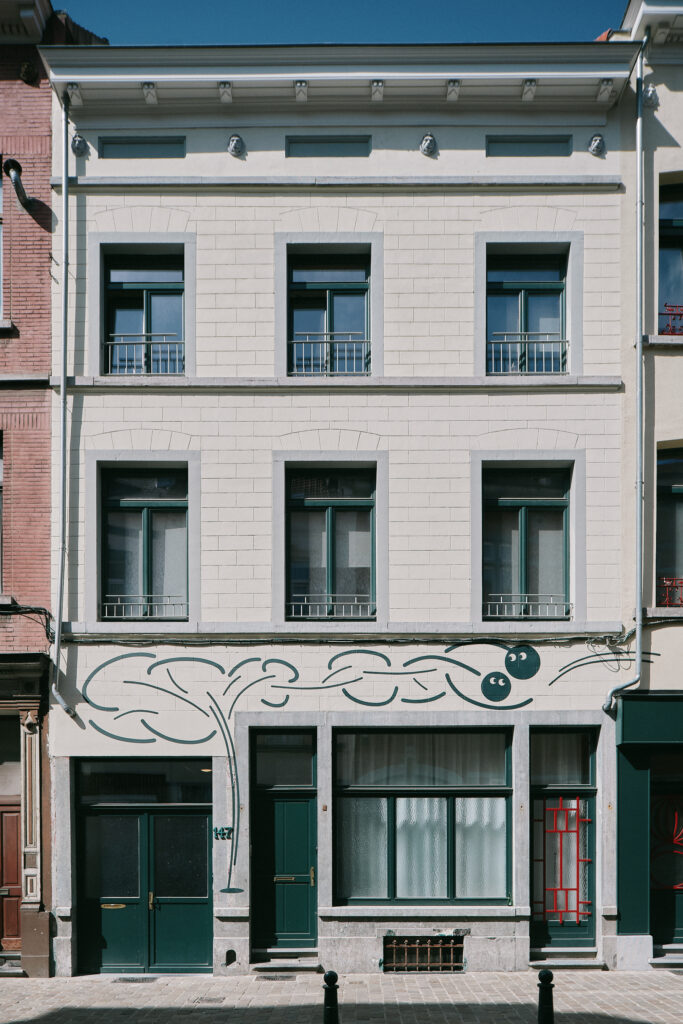
A strong brand extends far beyond visual communication. It is reflected in the environments people inhabit, the experiences they have and the emotions they associate with a place. In interior architecture, branding in space is not about applying logos or corporate colours indiscriminately. It is about translating the essence of a brand into a physical environment and creating a coherent narrative that users can experience through space. When integrated thoughtfully, brand elements can become subtle but powerful tools. Material choices, colours, patterns, graphics, bespoke furniture, signage and architectural details can all contribute to reinforcing an identity without overwhelming the space itself. These interventions create continuity and help establish a clear connection between an organisation's values and its physical environment. For workplaces, this approach can strengthen company culture and foster a greater sense of belonging among employees. A space that reflects the identity of an organisation helps communicate its ambitions, personality and way of working. It transforms the workplace into more than a functional setting and turns it into a tangible expression of the brand. In hospitality and customer-facing environments, branding in space contributes to recognition and memorability. Carefully curated details create moments that guests and visitors associate with a particular experience, helping build stronger and more lasting connections. The most successful examples are often the least obvious. A recurring geometric pattern, a bespoke material application, a colour used strategically throughout a project or a detail inspired by a company's heritage can communicate identity in a way that feels authentic and integrated. These subtle gestures enrich the environment while maintaining architectural clarity. At ncbham, we see branding in space as an opportunity to add another layer of meaning and customization to a project. By weaving identity into the architecture itself, spaces become more distinctive, more memorable and more closely aligned with the people and organisations they represent.
curated details
Kitchens
2026/06/16
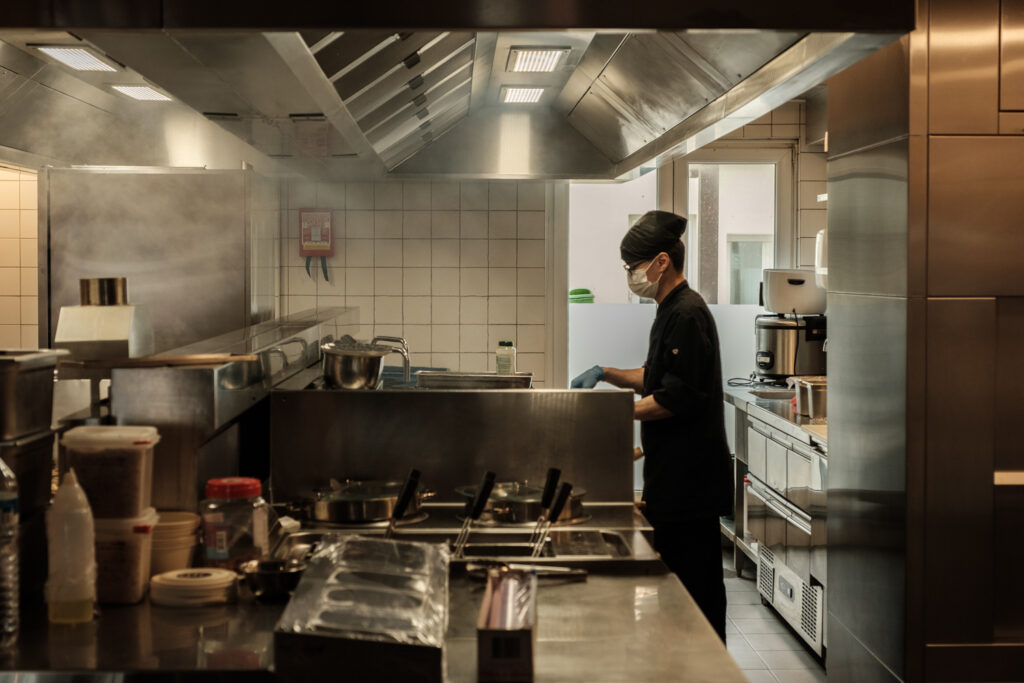
When discussing hospitality or workplace food environments, attention often focuses on the guest experience, the atmosphere of a restaurant or the design of a serving counter. Yet some of the most critical spaces remain largely unseen. Professional kitchens are among the most complex environments within a building. Their success depends not only on technical expertise but also on a deep understanding of how people, equipment and processes interact throughout the day. At ncbham, the design of professional and industrial kitchens is approached as a strategic exercise where architecture, engineering and operational requirements converge. Every project begins with understanding the specific needs of the operator, the service model and the expected workflows. These factors inform the organisation of the space and guide decisions that directly impact efficiency and performance. Kitchen design is measured not so much by its appearance but by how effectively it functions. The positioning of equipment, storage areas, preparation zones and service points must support intuitive circulation and minimise unnecessary movement. Even small adjustments can significantly improve productivity, reduce operational strain and create better working conditions for staff. Space optimisation is particularly important. Hospitality and workplace environments often require a high level of performance within a limited footprint. Through careful planning, every square metre can contribute to the overall efficiency of the operation while maintaining compliance with technical, safety and hygiene requirements. These spaces also need to anticipate change. Evolving menus, new technologies and changing operational needs require kitchens that are adaptable and resilient over time. Designing with flexibility in mind helps ensure that the space continues to perform long after its completion. Although they rarely become the focal point of architectural photography, professional kitchens are fundamental to the success of the environments they support. Their design influences service quality, operational costs, staff wellbeing and ultimately the overall user experience.
curated details
Bathrooms
2026/06/10
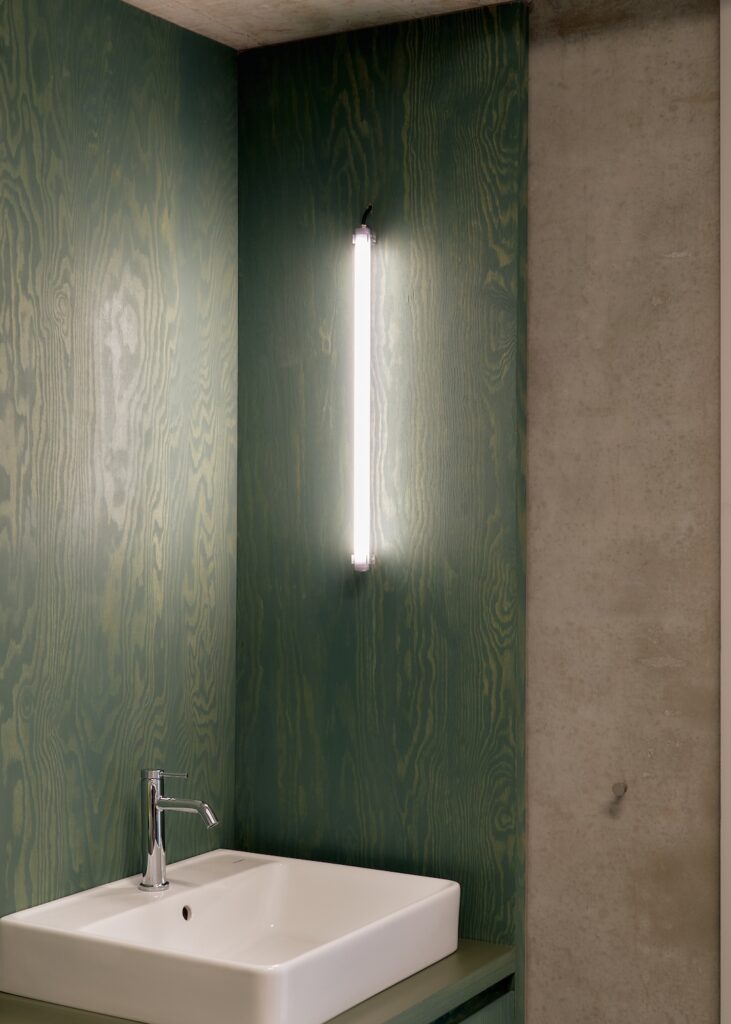
Bathrooms are often considered purely functional spaces, yet they can play a significant role in how a project is perceived and experienced. Whether in a workplace, a hotel or a clinic, these environments are among the few spaces that every user will interact with directly. As such, they offer a unique opportunity to extend the identity of a project beyond its primary spaces and into the details of everyday experience. At ncbham, we see bathrooms as an integral part of the overall design narrative. Materiality, colour, lighting and detailing are carefully considered to ensure these spaces contribute to a coherent spatial experience. Rather than treating them as secondary environments, we approach them as opportunities to reinforce atmosphere and express character. Material choices play a particularly important role. Natural stone, textured ceramics, wood accents or refined metal finishes can introduce warmth, tactility and depth. These elements help transform a highly functional space into one that feels intentional and memorable. Colour can be equally powerful. A carefully placed pop of colour can bring energy, create surprise or strengthen the visual identity of a project. It allows the design language to continue throughout the building, creating moments of recognition and delight in unexpected places. In hospitality settings, these details contribute to the guest experience and reinforce a sense of quality. In workplaces, they help humanise daily routines and enrich the overall environment. In wellness and esthetic clinics, they support an atmosphere of comfort, care and trust. The most successful interiors are often defined not only by their primary spaces but by the consistency and attention given to every part of the journey. Bathrooms are no exception. This selection of curated details highlights how thoughtful material choices, colour accents and careful craftsmanship can transform essential functional spaces into meaningful extensions of a project's identity.
curated details
Wood touches
2026/05/13
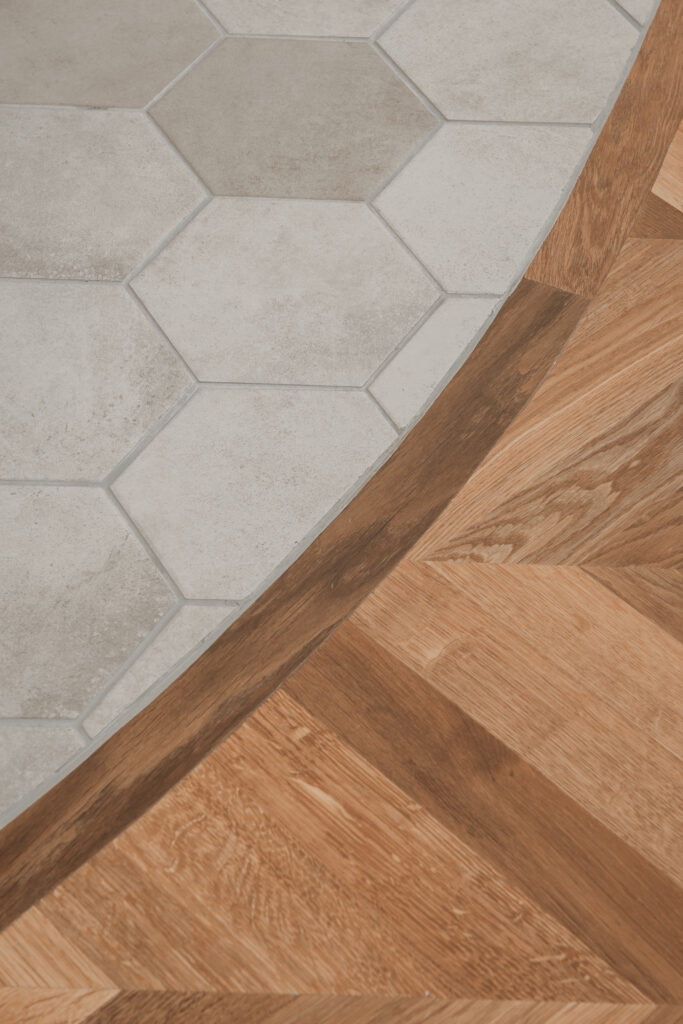
Materiality has the power to define how a space is perceived long before its function is fully understood. Among the materials we work with, wood holds a particular capacity to shape atmosphere through its warmth, texture and natural depth. Its presence introduces a sense of familiarity and balance that can soften more technical architectural compositions. This quality is especially valuable in contemporary workplace and hospitality environments, where creating spaces that feel both efficient and welcoming has become increasingly important. Beyond its aesthetic appeal, wood plays a strategic role in structuring the spatial experience. Through carefully integrated detailing, it can articulate transitions, define zones and establish visual rhythm across a project. Wall treatments, joinery and custom elements become opportunities to create continuity and reinforce identity. Its tactile quality also contributes to a more human centred environment. Texture invites interaction, while the natural variation of the material introduces subtle complexity and richness. These characteristics help create interiors that feel layered and intuitive rather than purely functional. Wood also has a unique ability to interact with light. Depending on its tone, grain and finish, it can reflect or absorb light in ways that add depth and nuance throughout the day. This relationship between material and light brings movement to surfaces and enhances the perception of space. From a design perspective, integrating wood requires precision. Proportions, detailing and the dialogue with surrounding materials must all be carefully considered. When resolved thoughtfully, wood does not simply decorate a space. It becomes part of its architectural language. At ncbham, we approach wood as part of a broader material strategy, where every detail contributes to the coherence and performance of the overall environment. This selection of curated details highlights how wood, through craftsmanship and thoughtful integration, can enrich spatial identity and create environments that feel grounded, refined and deeply connected to human experience.
curated details
Meeting Rooms
2026/05/11
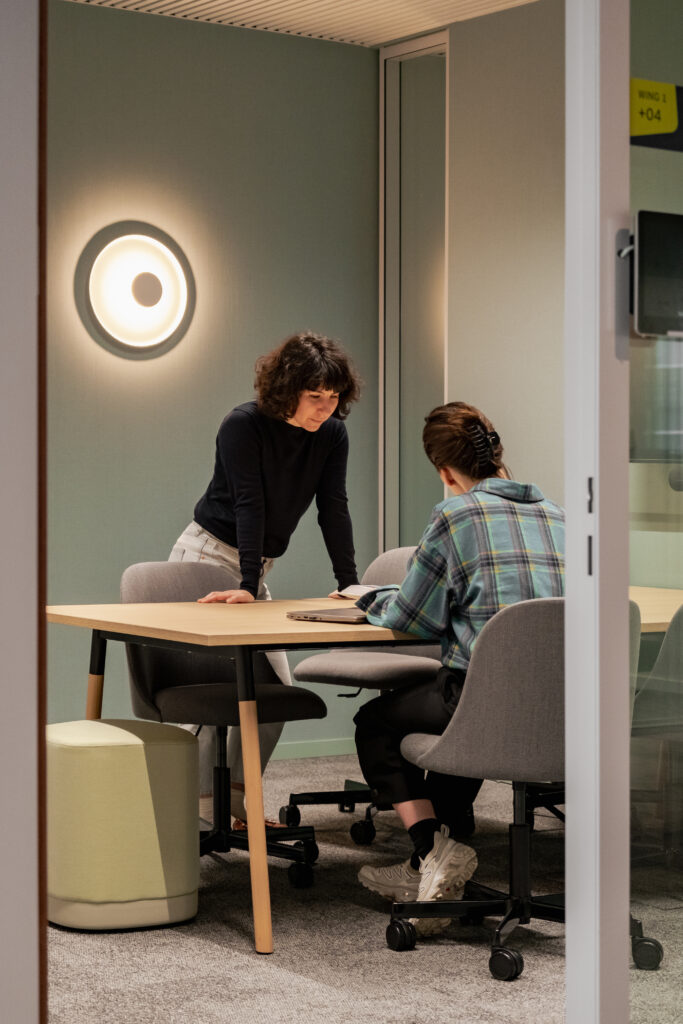
Meeting rooms are where ideas are shaped, decisions are made and collaboration becomes tangible. As such, their design plays a critical role in supporting how people engage with one another and with the task at hand. Creating an effective meeting environment requires a careful balance between comfort and performance. Elements such as acoustics, lighting, ergonomics and spatial proportions directly influence attention, clarity of communication and the ability to sustain focus over time. When these factors are resolved with precision, they reduce friction and allow conversations to flow more naturally. Beyond functionality, meeting rooms also contribute to the overall workplace experience. They can foster openness or privacy, encourage participation or reflection, depending on how they are conceived. Through layout, materiality and atmosphere, they help set the tone for different types of interaction, from informal exchanges to more structured and strategic discussions. In this context, variety becomes essential. A single approach no longer responds to the diversity of meeting formats within an organisation. Flexible typologies, adaptable layouts and a range of spatial conditions allow teams to choose the environment that best supports their needs, enhancing both efficiency and engagement. Material choices also play an important role. Soft surfaces improve acoustic comfort, while textures and finishes contribute to a sense of warmth and ease. Natural light, when available, enhances wellbeing and helps maintain energy levels throughout longer sessions. Together, these elements create spaces that feel intuitive and supportive rather than purely functional. At ncbham, meeting rooms are approached as part of a broader spatial strategy. Their design is closely linked to circulation, adjacencies and the overall rhythm of the workplace. This ensures they integrate seamlessly into daily workflows while maintaining their own identity and purpose.
curated details
Soft Walls
2026/04/08
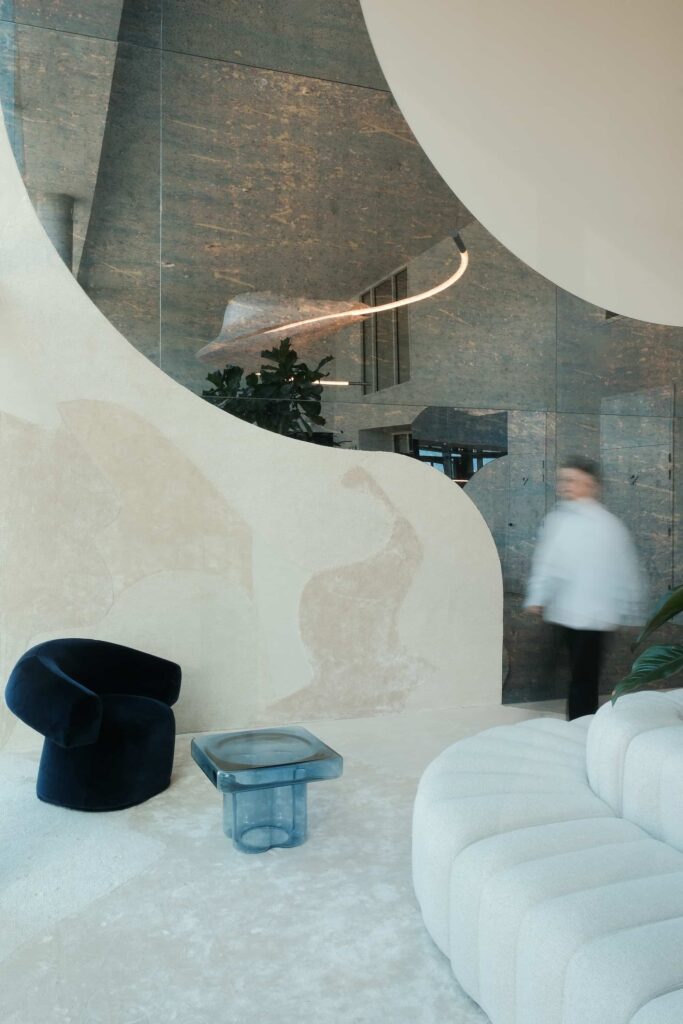
In contemporary interior architecture, the role of materiality extends far beyond aesthetics. Soft walls, developed through the use of textile materials, offer a nuanced response to the growing need for comfort, performance and human centred design. They introduce a tactile dimension that changes how a space is perceived and experienced. Unlike harder surfaces, textile applications absorb sound, reduce reverberation and contribute to a more controlled acoustic environment. In workplaces and hospitality settings, this directly supports concentration, communication and overall well being. At a spatial level, soft walls help articulate the environment. They can define quieter zones, frame meeting areas or create moments of retreat within more open layouts. This ability to subtly structure space without relying on rigid boundaries allows for greater flexibility while maintaining clarity and comfort. Their impact is also emotional. Texture, softness and material depth bring a sense of warmth and ease that balances more technical or formal elements within a project. This contributes to creating environments that feel more welcoming, more intuitive and ultimately more attuned to the people who use them. From a strategic perspective, integrating soft wall systems requires a careful balance between performance and expression. Acoustic requirements, durability, maintenance and integration with other elements must align with the overall design intent. When resolved with precision, these solutions become an integral part of the spatial identity rather than an added layer.
curated details
Wood Paneling
2026/03/31
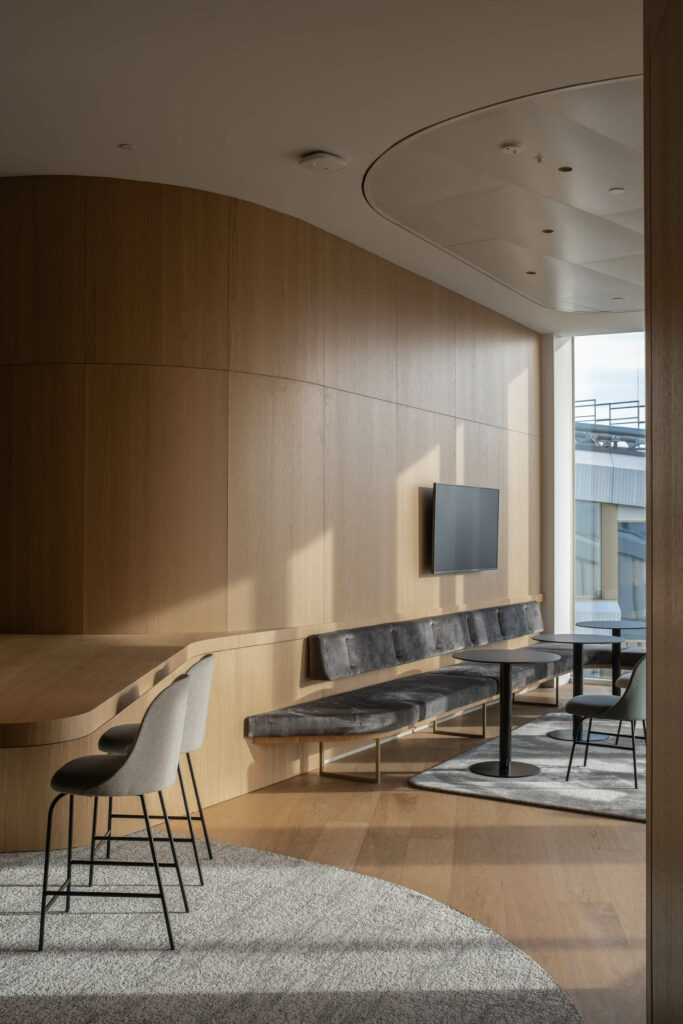
Wood in unexpected surfaces Wood can be a powerful tool in shaping atmosphere and identity. When used with intention, and sometimes in unexpected ways, it brings a distinct character to a space. Beyond its visual quality, wood introduces warmth, depth and rhythm. These qualities are not only aesthetic, but they also contribute to how a space is perceived and used. Through carefully designed wall paneling, material can guide movement, define zones and create moments of intimacy within larger environments. In workplace and hospitality settings, these elements play an important role. They help structure space by improving comfort and supporting a more human experience. Material choices become part of a broader spatial strategy that connects identity with functionality and wellbeing. Wood also offers a high level of versatility. It can adapt to different contexts, from refined corporate environments to more expressive and social settings, always balancing presence with clarity. We wanted to share some spaces where we have used wood to enhance both the performance and the experience. If you are exploring how materiality can support your next project, we would be glad to continue the conversation.
curated details
Counter design
2026/03/19
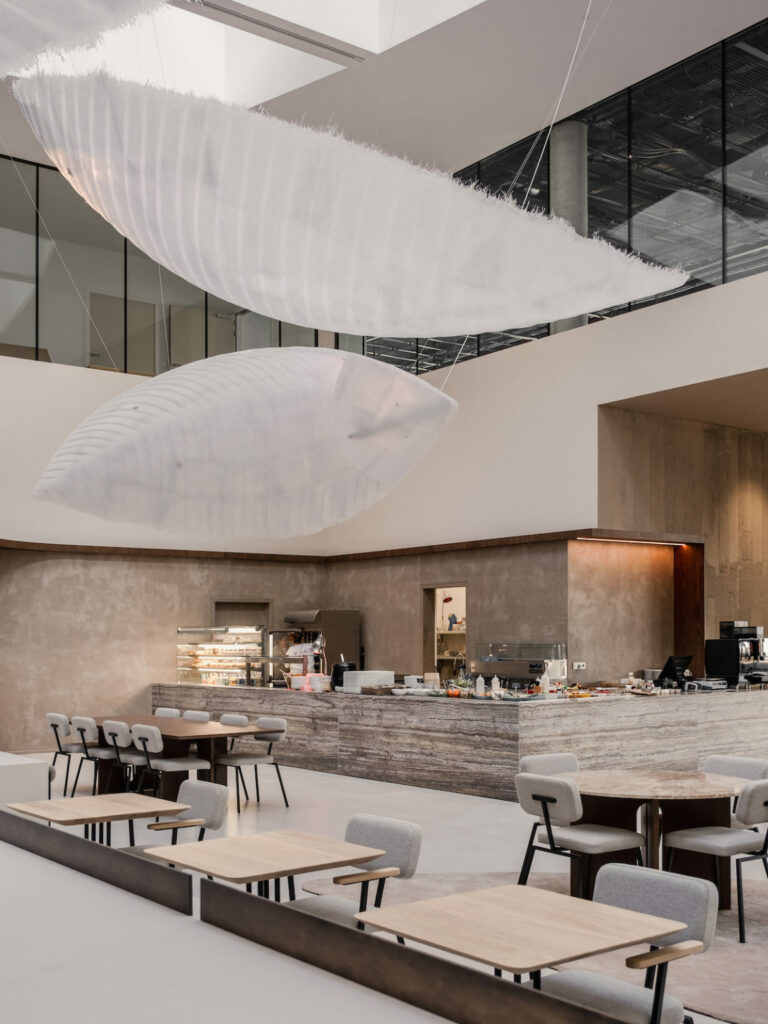
Kitchen and food experiences are a core pilar of our work From workplace restaurants to hospitality counters these spaces play a central role in the everyday life of a building. They are places of pause, exchange and shared moments. Designing them requires more than creating an attractive setting. Concept, spatial flow and operational performance must work together seamlessly. Circulation, visibility, materials and technical requirements all shape an environment that supports both the people who use the space and those who operate it. Through close collaboration between design and engineering we develop solutions that balance functionality, identity and atmosphere; spaces where food, movement and experience meet.